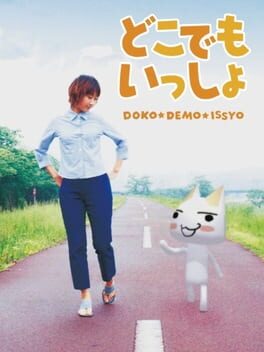
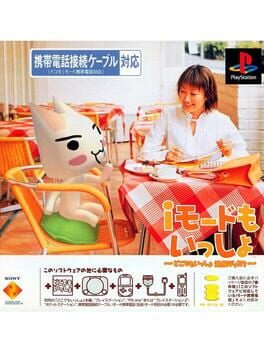
i Modo Mo Issho (iモードもいっしょ) is a video game developed by Bomber Express and published by Sony Computer Entertainment Inc. It was released on May 24, 2001 for the PlayStation, and it is the third game and an expansion pack for Doko Demo Issyo and Koneko Mo Issho in the Doko Demo Issyo Series. Like Koneko Mo Issho, save data for Doko Demo Issyo is required to play it. It features additional content, such as new environments and music. It's most notable feature is its connection with the i-Mode phone service, a Japanese mobile phone service provided by DoCoMo that allowed an early form of Internet connectivity with mobile phones. Players can use an adapter to connect the phone to the Playstation console and connect to the online service, which allows players to to communicate to other players and the Pokepi, similar to the PocketStation. It is also the last Doko Demo Issyo game to be released exclusively on the PlayStation. The online service ended on December 15th, 2002, but the offline features of the game were still available.

Platform / Role-playing (RPG) / Simulator / Action / Kids
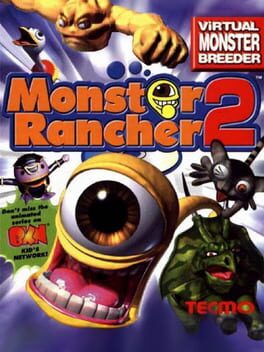
Monster Rancher 2 (released 1999) is a video game and the second North American and Japanese installment in the Monster Rancher series. In Europe (and other PAL locations) Monster Rancher 2 is the first release in the series and is thus named Monster Rancher.

Music / Puzzle / Simulator / Action / Party
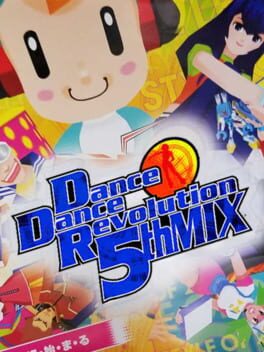
Dance Dance Revolution 5thMIX, or DDR 5th Mix, is the 5th game in the Dance Dance Revolution series of music video games. It was released to the arcades by Konami on March 27, 2001. Although only officially released in Japan, units exist worldwide. DDR 5th Mix contains a total of 122 songs, nine of which are hidden and unlockable. Of those songs, 40 of them (including all nine unlockable songs) are brand new to Dance Dance Revolution.

Gallop Racer (known as "Gallop Racer 3: One and Only Road to Victory" in Japan) is part horse racing simulation, part action/arcade racer. When choosing horses for your stable, you have to take a lot of factors into account. For instance, is the horse a long or short distance runner? Does it do better on a dry track or a wet track? The factors appear to be endless at first.

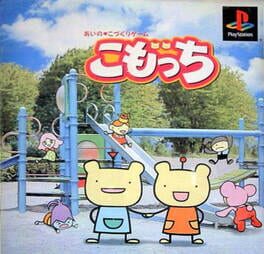
Raise a cute cartoon avatar, playing mini-games to increase its skills.

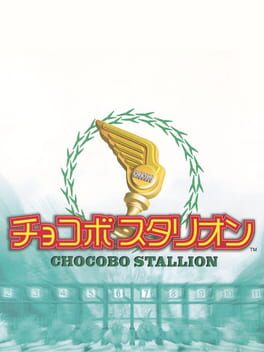
A Japan-only game centering around the Chocobos. The game was inspired by the Chocobo racing minigame at the Gold Saucer in Final Fantasy VII. The racing gameplay is similar, but has its own independent story that is not related to Final Fantasy VII. The player must train a chocobo and race against other computer controlled chocobos.

Simulator / Strategy / Visual Novel / Romance
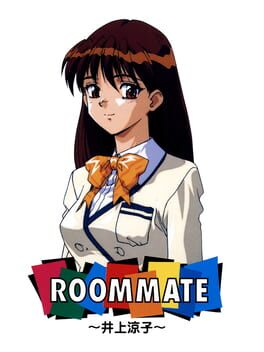
Roommate: Inoue Ryōko is a love-simulation adventure game and the first title in the Roommate series. The player can freely move about the apartment, and the game mostly consists of voiced dialogue sequences where the player interacts with Ryōko and can respond to her via multiple-choice answers. Unlike many such games, the two weeks of the in-game story progress in real time using the Saturn's internal clock (or the PocketStation in the PlayStation version), and the time and frequency of the player's visits will affect the events that occur and the protagonist's relationship with Ryōko, leading to several different endings. In Roommate Ryoko you have three years to develop a relationship with her. Using a truly innovative real-time feature, the Saturn's internal clock affects how the game plays out. If you play during the day, she isn't around at times. Most of your "interfacing" with her occurs at night (welcome to the next level, indeed). Bad Three's Company allusions aside, there is a good bit of social interaction that goes on - you actually get to know her and have to reveal a lot about yourself. What is most impressive, though, is that the conversation is never recycled - there are thousands of things that Ryoko can say. Seasonal changes affect the game, and although it isn't played in real time, you must adjust your schedule in the game to hers to catch her (this is done by leaving her notes on your shared white board). Don't get antsy and set the Playstation clock ahead though; the Playstation reads that "skipped" time as time you didn't spend talking to Ryoko, and by the time you get to the "future," she'll have moved out. The graphics in Roommate look pretty good - forget polygons or texture mapping though; everything here is drawn two-dimensionally with special attention to detail. The sound is also pretty sharp because Ryoko actually speaks a lot of her dialogue (while it is correspondingly displayed onscreen). Unfortunately though, the gameplay almost entirely consists of listening to your new roommate and picking an appropriate thing to say (a lot like your freshman year of college really).
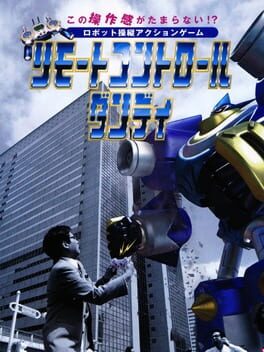
A Japan-only Playstation game in which you play a little boy controlling a giant robot via remote control. Developed by Sandlot, who later developed the Earth Defense Force series, and had a direct sequel -- Remote Control Dandy SF -- on the PS2.

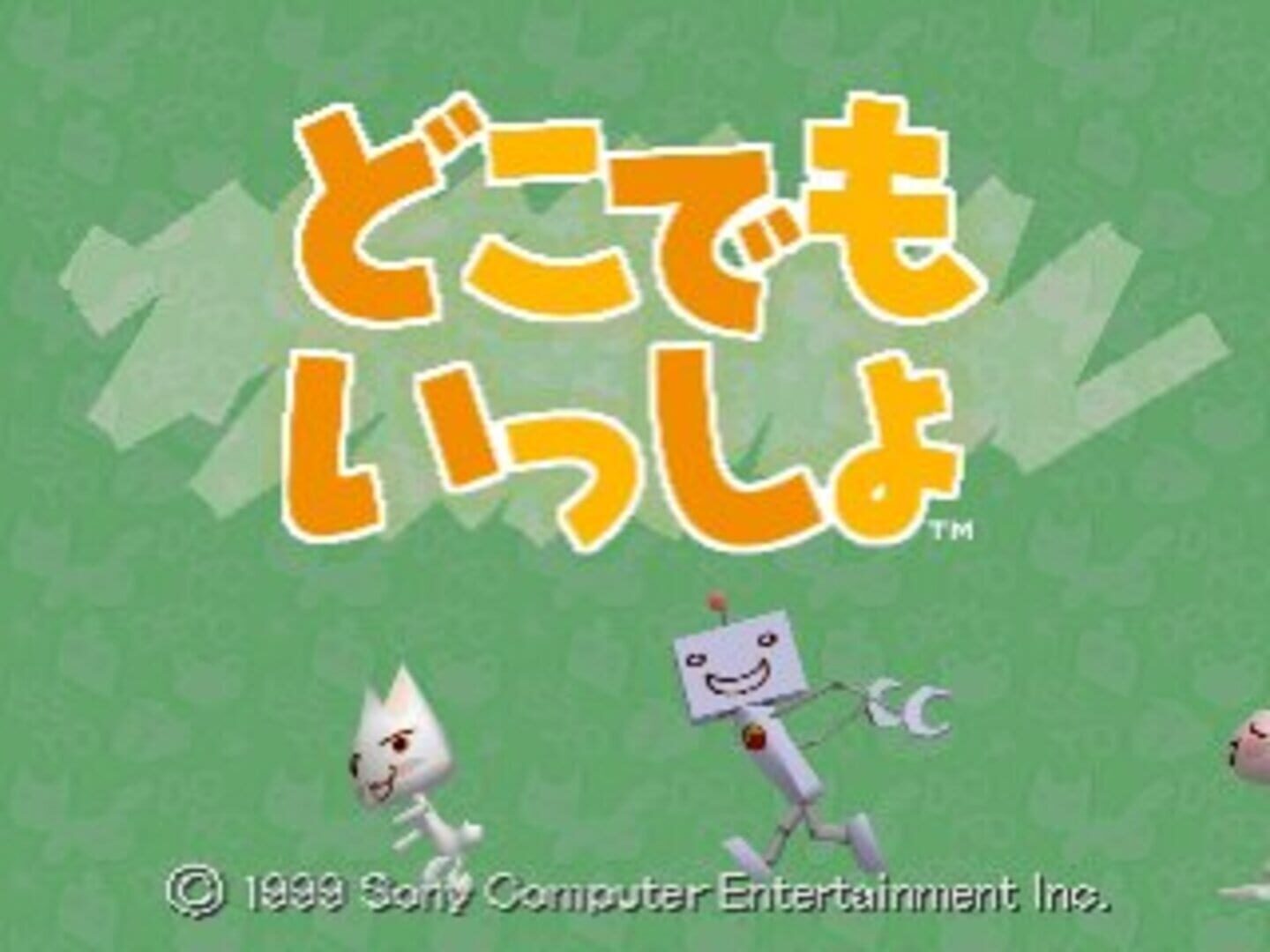
Doko Demo Issyo (どこでもいっしょ, Together Everywhere) is a 1999 Video Game developed by Bomber Express and published by Sony Computer Entertainment Inc. for the PlayStation, released on July 22, 1999 in Japan. Doko Demo Issyo was one of the games that used the PocketStation; it was instrumental in making the device sell so well in Japan. It is the first game in the Doko Demo Issyo Series. Doko Demo Issyo is a communication game, a game where you interact with the characters through words and phrases. The player can choose from five characters known as Pokepi and interact with them in an apartment. They can be taught words, and the player can answer questions asked by them. The biggest feature of Doko Demo Issyo is its compatibility with the PocketStation, a handheld device that often came packaged with the game, and its reliance on the device made the PocketStation required to play the game. It allowed the player to take any of the Pokepi with them anywhere, and they can continue to interact through the device. A remaster of the game was released on the PlayStation Portable on December 7, 2004 for the franchise's 5th anniversary. A port of the original game, separate from the remake on the PSP, was also released on the Playstation Vita in 2013.