Developed by Sega CS1 for Sega.
Role-playing (RPG) / Hack and slash/Beat 'em up / Action / Sandbox
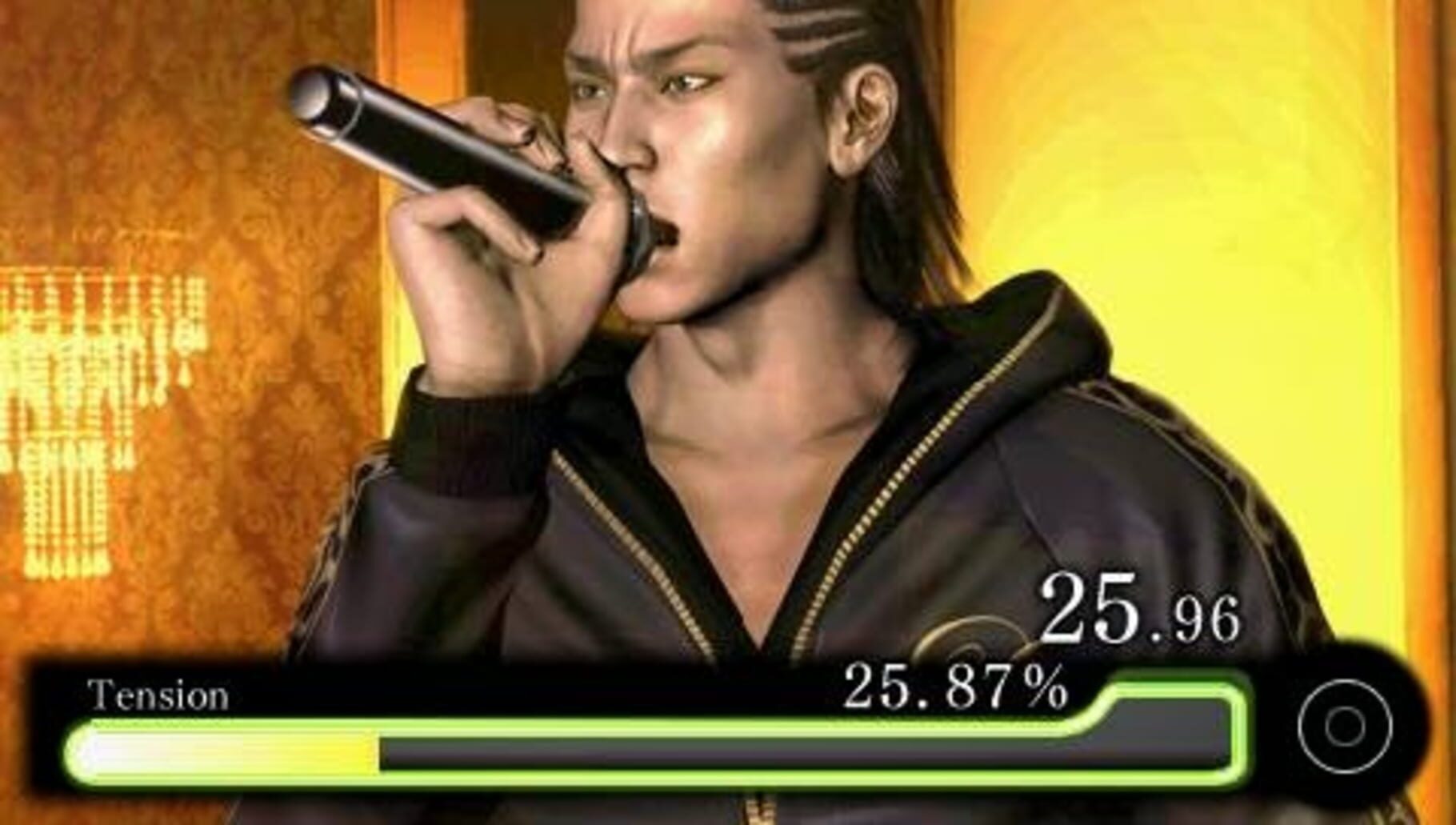
The handheld debut of the Yakuza/Ryuu ga Gotoku series, Kurohyou follows the rise of series newcomer Ukyô Tatsuya, a young man who quickly finds himself wrapped up in the world of Japanese organized crime.

Role-playing (RPG) / Hack and slash/Beat 'em up / Arcade / Action / Fantasy
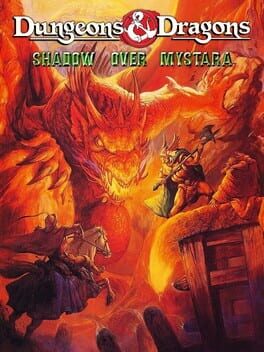
Shadow over Mystara is a side-scrolling beat-'em-up with role-play elements that make it stand out from other similar games released at the time. In addition to the original four heroes found in its predecessor, Dungeons & Dragons: Tower of Doom (Cleric, Dwarf, Elf and Fighter), Shadow of Mystara adds a Thief and a Magic-User to the selection. Furthermore, with the inclusion of two separate versions of each character's sprite set, the game allows up to two players to select the same character (in Tower of Doom each of the characters could only be selected once), effectively giving the game 12 "different" characters to choose from. The two Clerics and two Magic Users also have subtle differences within their spell books. The controls are using four buttons: Attack, Jump, Select (brings up a small inventory ring around the character allowing the player to choose what item is set in the Use slot) and Use. The Cleric, Elf and Magic-User also have two extra rings for their spells, with the Jump button used to switch from ring to ring. While the game uses the same kick harness as the previous game, the Select and Use buttons are reversed. Shadow over Mystara also introduced a selection of special moves which are executed by moving the joystick and tapping the buttons in certain combinations, in a way similar to the Street Fighter series. The characters (except for the Magic-User) have a Dashing Attack as well as a Rising Attack which can be used to combo monsters or even juggle them in the air. Most characters (again, with the exception of the Magic-User and also Cleric) also have a Megacrush, a move common to nearly all of Capcom side-scrollers, which damages all enemies standing close enough to the character but in turn also damaging the player themselves.
Role-playing (RPG) / Hack and slash/Beat 'em up / Adventure / Action / Fantasy
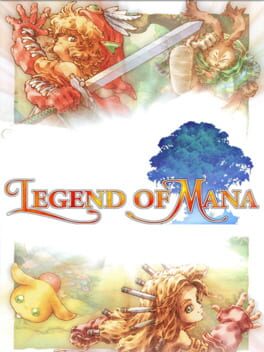
While incorporating action role-playing game elements from the three games which preceded it, Legend of Mana has its own distinct style of gameplay. Most notably, it gives the player the ability to shape the game's world of Fa'Diel according to his or her desires, a system which was incorporated through the use of "artifacts," which are gained as the player progresses through the game. The player uses the artifacts to create different towns, dungeons, etc., called "Lands", to venture to and explore. This creates a non-linear gameplay, since the game is driven by a series of what would be considered side-quests in other games. Legend of Mana features three different plots which can occur simultaneously, and which do not necessarily need to be completed for the player to finish the game. Legend of Mana was a financial success in Japan. While the game garnered considerable praise for its graphics and presentation, many critics and fans were turned off by the game's lack of a main storyline.

Fighting / Role-playing (RPG) / Hack and slash/Beat 'em up / Action / Fantasy
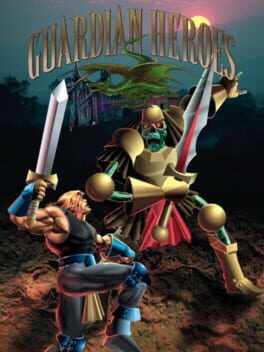
Guardian Heroes is a 2D side-scrolling beat 'em up video game with RPG elements developed by Treasure and released in 1996 for the Sega Saturn. A band of young adventurers begin a quest to change the fate of their kingdom after an enchanted sword falls into their hands. Players may choose between four characters, each with their own unique fighting style, and embark on many different paths in the game's story mode. The game also includes a special versus mode wherein up to six players can compete against each other in arena combat.

Role-playing (RPG) / Hack and slash/Beat 'em up / Action
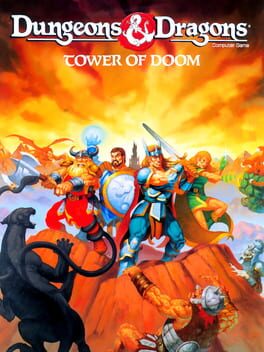
Tower of Doom is a side-scrolling arcade game featuring four different characters (cleric, dwarf, elf, fighter) fighting iconic Dungeons & Dragons monsters. Bosses include a troll that regenerates unless burned, a large black dragon, the dreaded Shadow Elf (Mystara's equivalent of the drow), a beholder, the optional superboss Flamewing (a great wyrm red dragon) and the final boss Deimos (an archlich). At points in the game the players are presented with a choice of paths to take to continue progress. Each path goes to a different area, and it is impossible to visit every area in a single play. The gameplay is more technical than the average on beat'em up games. In addition to the usual basic attacks and jumping it includes blocking, strong attacks, turning attacks, dashing attacks, crouching and evading. It also requires the use of careful tactics, as most enemies have the same abilities as the heroes and can out-range them, too. Daggers, hammers, arrows and burning oils can be used as throwing weapons, and many enemies have similar weapons. Spells can be used by means of magical rings or by the two playable spellcasters (a cleric and an elf).

Hack and slash/Beat 'em up / Action / Comedy
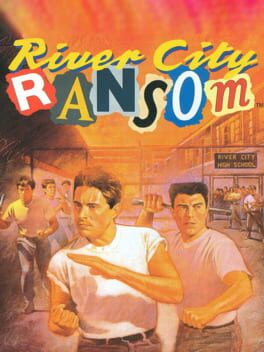
Play as Alex and Ryan and cross River City to fight street gangs and save your girlfriend from the hands of a bad guy named "Slick." Improve your fighting experience by powering-up your characters in River City's shops, picking-up items for bonuses and using the trash bins and pipes you will find in its streets.

Role-playing (RPG) / Hack and slash/Beat 'em up / Action / Fantasy
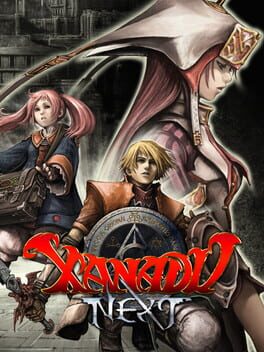
Xanadu Next is an exploration-centric action RPG from Nihon Falcom, the acclaimed creators of the Ys and The Legend of Heroes RPG franchises. A late entry in their immensely popular Dragon Slayer series and a spiritual follow-up to the late ‘80s cult classic Faxanadu, Xanadu Next puts players in the shoes of a gravely injured knight given a new lease on life through ancient magic who must now seek a legendary sword called “Dragon Slayer” to ensure his survival.

Fighting / Role-playing (RPG) / Hack and slash/Beat 'em up / Action / Fantasy
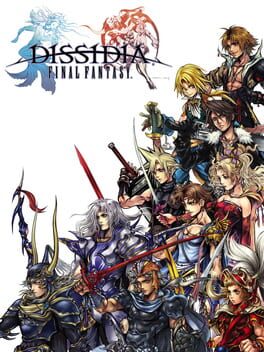
Dissidia Final Fantasy is a 3D-arena fighting game with RPG elements featuring 20 characters, heroes and villains, from the first 10 final fantasy games summed by the god of discord and the goddess of harmony to fight over the fate of the world.

Shooter / Platform / Role-playing (RPG) / Action / Fantasy
He has been summoned by Daikak, the great leader of the Summit Temple, to stop a war between factions of warlords. The player explores temples and defeats enemies like ghosts, ninja, and feral beasts. There are also villages to explore and people to talk to as the player assembles clues on who desecrated his home town's temple and killed its guardians. The quest takes the player across medieval Japan and to the Underworld. Unlike most games, death does not lead to game over or even a loss of money or experience points. Instead, the player has to use a password in order to resurrect themselves from the dead. The game is a port of the Japanese game Kujaku-ou, removing the anime license.