A continuation of Lord Vermilion 2 video game release by Square Enix and officially announced will be release on Summer 2013.
Featured in
A continuation of Lord Vermilion 2 video game release by Square Enix and officially announced will be release on Summer 2013.
Role-playing (RPG) / Turn-based strategy (TBS) / Card & Board Game / Action
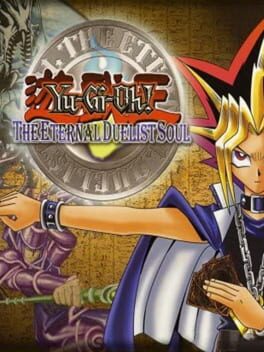
Yu-Gi-Oh! The Eternal Duelist Soul is a Yu-Gi-Oh! video game for the Game Boy Advance. It is the international version of Yu-Gi-Oh! Duel Monsters 5 Expert 1. Gameplay is similar to standard dueling rules, except that the Side Deck allows less than 15 cards, and is more for convenience of getting to cards for your Deck than switching between duels, as CPU duels are single duels rather than matches (with some exceptions in events).
Fighting / Strategy / Turn-based strategy (TBS) / Action
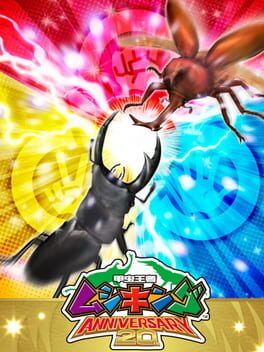
An extremely popular Japanese arcade game where the player is awarded with collectible cards that are used in play--holds the record for most official tournaments for a video game.
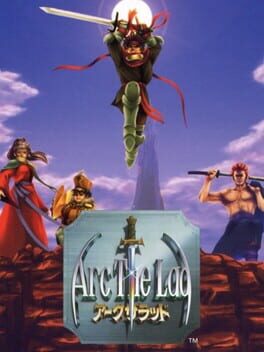
Role-playing (RPG) / Strategy / Turn-based strategy (TBS) / Action / Fantasy
Arc the Lad is a tactical role-playing video game developed by G-Craft for the PlayStation and is the first game in the Arc the Lad series. It was released in 1995 in Japan, and released in North America on April 18, 2002, as part of Arc the Lad Collection. The Japanese released was published by SCEI, while the North American release was published by Working Designs. It was the best-selling Japanese PlayStation game of 1995 with over a million copies sold. Arc the Lad was followed by two direct sequels and many games that make up the series.
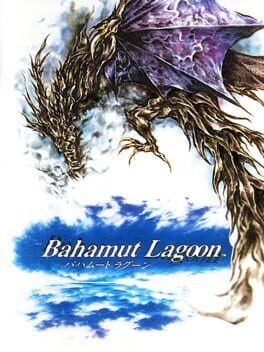
Role-playing (RPG) / Strategy / Turn-based strategy (TBS) / Action / Fantasy
Bahamut Lagoon combines RPG mechanics with squad-based combat. Characters have HP, MP (SP for fighter characters), EXP, equipment, stats and class-specific, SP-draining special elemental abilities very much like traditional console RPGs. The player can explore his surroundings, talk to people and visit shops when not in battle, though to a limited degree as there is no world map and no way to leave the current area. The game's core is its turn-based battles fought on a 2d grid. Characters are assembled into parties of four and the player allowed a maximum of six parties, which are usually well outnumbered. The two opposing sides act in alternating turns so that each party can move once and/or attack once a turn. Attacks are divided into distant and close-up combat. In the former, a party uses a special ability (e.g. casting fireballs, throwing lightning, healing allies) of one of its members at a distance. The range and possible area of effect damage vary per ability. If the attacking party has two or more characters with the same ability, they join in the action to multiply its effectiveness. Distant combat results in less money and generally less damage, but the target cannot retaliate. Distant attacks can also affect the field; fire and ice ignite or extinguish forests and melt or freeze ice, etc. Close-up, each unit in two adjacent opposing parties can act once. Very much like Final Fantasy SNES combat, they can attack an enemy, use an item or a special ability (though these can't be combined and most only affect one target instead of all) or defend. Dragons are the player's ace in the hole. They have their own stats and gain experience like normal characters do. In battle, each party has a dragon attached to it and draws a large portion of its strength from that of its dragon: if a party's dragon is slain, the party will lose the ability to use special attacks and class-specific abilities for the remainder of the map. The beast acts as a very powerful autonomous unit that moves after its party does and it cannot be controlled beyond very simple commands, e.g. "Come!" Out of battle, dragons will eat anything and raising them by feeding them items is an important part of the game. Feeding can improve their stats as well as affect their behavior on the field, and the dragons develop into new forms as they grow. The player can change the characters in each of the parties, their formation as well as what dragon represents them at will.
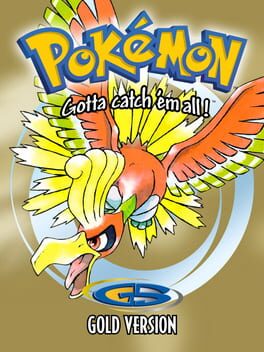
Role-playing (RPG) / Turn-based strategy (TBS) / Adventure / Action / Fantasy
Pokémon Gold, along with Pokémon Silver, are the sequels to Pokémon Red and Blue. They offer 100 new Pokémon to capture and train, 8 more Gyms to take on and a new Pokémon League challenge. Featuring an expanded post-game, Pokémon Gold and Silver additionally offer extra content from the previous entries in the series.
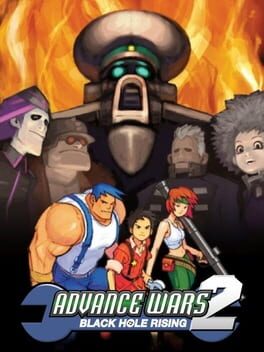
Strategy / Turn-based strategy (TBS) / Tactical / Action / Science fiction
In Advance Wars 2: Black Hole Rising brings your GBA all-new strategic action and all-new fighting action! Thrilling turn-based strategy gameplay that will put your brain & your reflexes to the test, in this sequel to the original hit!
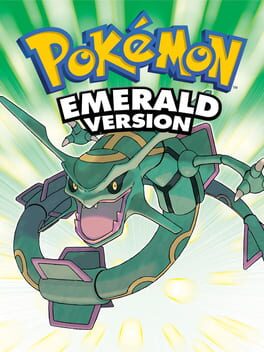
Role-playing (RPG) / Turn-based strategy (TBS) / Adventure / Action / Fantasy
Pokémon Emerald Version is a sister game to Pokémon Ruby and Sapphire. Emerald Version provided the main storyline with more depth and length, as well as making small aesthetic changes to the world and adding unique animations for each Pokémon.
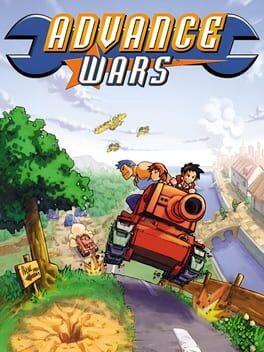
Simulator / Strategy / Turn-based strategy (TBS) / Action / Science fiction
Just because this battle fits in the palm of your hand doesn't mean the stakes are small. On the contrary, this all-or-nothing fight will have you accessing guns, grenades, launchers, and weaponry of all sorts. Players assume command of an army that's out to reclaim a world that's been broken up by warring factions. The battle map is essentially a grid, and moving units is like moving chess pieces on a board -- each of the units can move a specific amount of spaces within this grid, and can only attack at a certain distance from specific enemies. Advance Wars features more than 115 maps, a map editor, head-to-head play via link cable, and an easy-to-understand tutorial mode for beginners.