Screenshots
Featured in
Shooter / Platform / Action / Fantasy
Ghostbusters was published by Sega and developed by Compile for the Mega Drive/Genesis on June 29, 1990. It is unrelated to the earlier Activision game (though their name still appears in the copyright screen), and is instead a run and gun game in which the player takes control of squat cartoon representations of three of the four Ghostbusters from the movie, with the noticeable absence of Winston Zeddemore. Four levels are available initially; after they are completed, a fifth level is unlocked, followed by a sixth and final level. Each level contains a number (usually two) of mid-bosses known as "middle ghosts"; after a middle ghost is defeated, it turns into a small green ghost which can be captured for extra money by luring it over a ghost trap. Between levels, money can be used to buy powerups, such as a 3-way shot or recovery items.
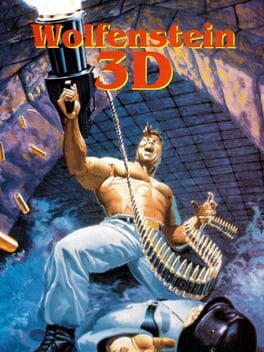
Wolfenstein 3D is a first-person shooter presented with rudimentary 3D graphics and a follow-up to the top-down infiltration game Castle Wolfenstein. The game is broken up into levels, each of which is a flat plane divided into areas and rooms by a grid-based pattern of walls and doors, all of equal height. Each level is themed after Nazi bunkers and buildings. To finish a level, the player must traverse through the area to reach an elevator. Levels are grouped together into named episodes, with the final level focusing on a boss fight with a particularly difficult enemy. While traversing the levels, the player must fight Nazi guards and soldiers, dogs, and other enemies while managing supplies of ammunition and health. While the name was kept the same as the original release, this and future releases of the game came with the base campaign and the Nocturnal Missions expansion campaign together.
Shooter / Arcade / Action / Fantasy
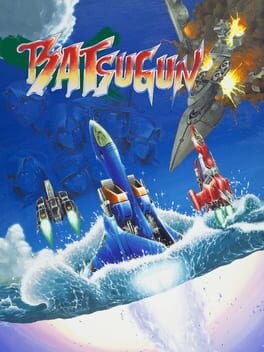
Batsugun is a vertically scrolling shoot 'em up video game created by the now-defunct Japanese game developer Toaplan. The title translates to "exceptional" or "extraordinary". It was the final game created before Toaplan's dissolution, and has been regarded as a key title in the development of the modern manic shooter, with elements of the game such as the size of the player's hitbox, the scale of their firepower, and the complexity of enemy bullet patterns all having an influence on future titles in the sub-genre. Members of the development team also went on to work on other successful manic shooters, most notably lead artist Junya Inoue.
Shooter / Adventure / Action / Fantasy
Having defeated the Campaigner, Turok throws the Chronocepter into a waiting volcano to destroy it. Unfortunately the blast awakens an even deadlier force - The Primagen. Once again a Turok is tasked with restoring peace to the land and stopping the Primagen from merging Earth with the nether world.
Shooter / Strategy / Action / Fantasy
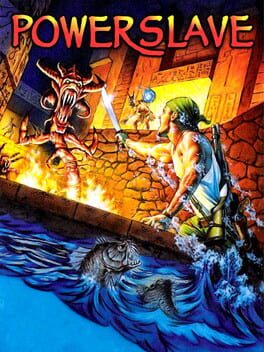
In this first-person shooter, you assume the role of an armed forces specialist dispatched to probe unusual occurrences in the ancient Egyptian city of Karnak. As you delve into the investigation, you discover that alien invaders, with a proclivity for mummifying humans alive, have seized control of the city. Your mission is to navigate through progressively challenging levels, contending with an extraordinary cast of adversaries, to complete the game.
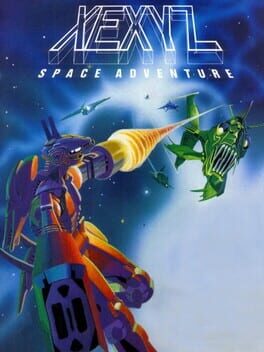
Shooter / Platform / Action / Fantasy
The game centers around the main character of Apollo who progresses through the game in an alternating format that switches between platform, side-scrolling action and side-scrolling shooter action. The goal of the series is, stereotypically, to destroy an evil boss Goruza, rescue a princess (in this case, Princess Maria) and save the planet.
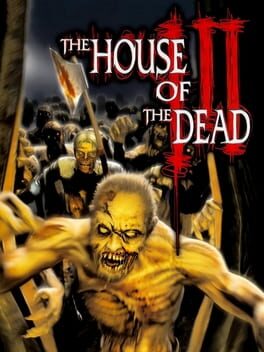
The House of the Dead III is a 2002 light gun arcade game with a horror zombie-survival theme, and the third installment to the House of the Dead series of video games, developed by Wow Entertainment and Sega. It was later ported to the Xbox in 2003, Microsoft Windows in 2005, the Wii in 2008 in a compilation with The House of the Dead 2, and PlayStation 3 in 2012 with PlayStation Move support. The game continues the story of the previous games and introduces new gameplay concepts such as story branching. The game's protagonist is Lisa Rogan, daughter of Thomas Rogan, the first game's main character, and players control Lisa, G, or Daniel Curien.