Developed by Kojima Productions for Konami.
Role-playing (RPG) / Turn-based strategy (TBS) / Tactical / Stealth
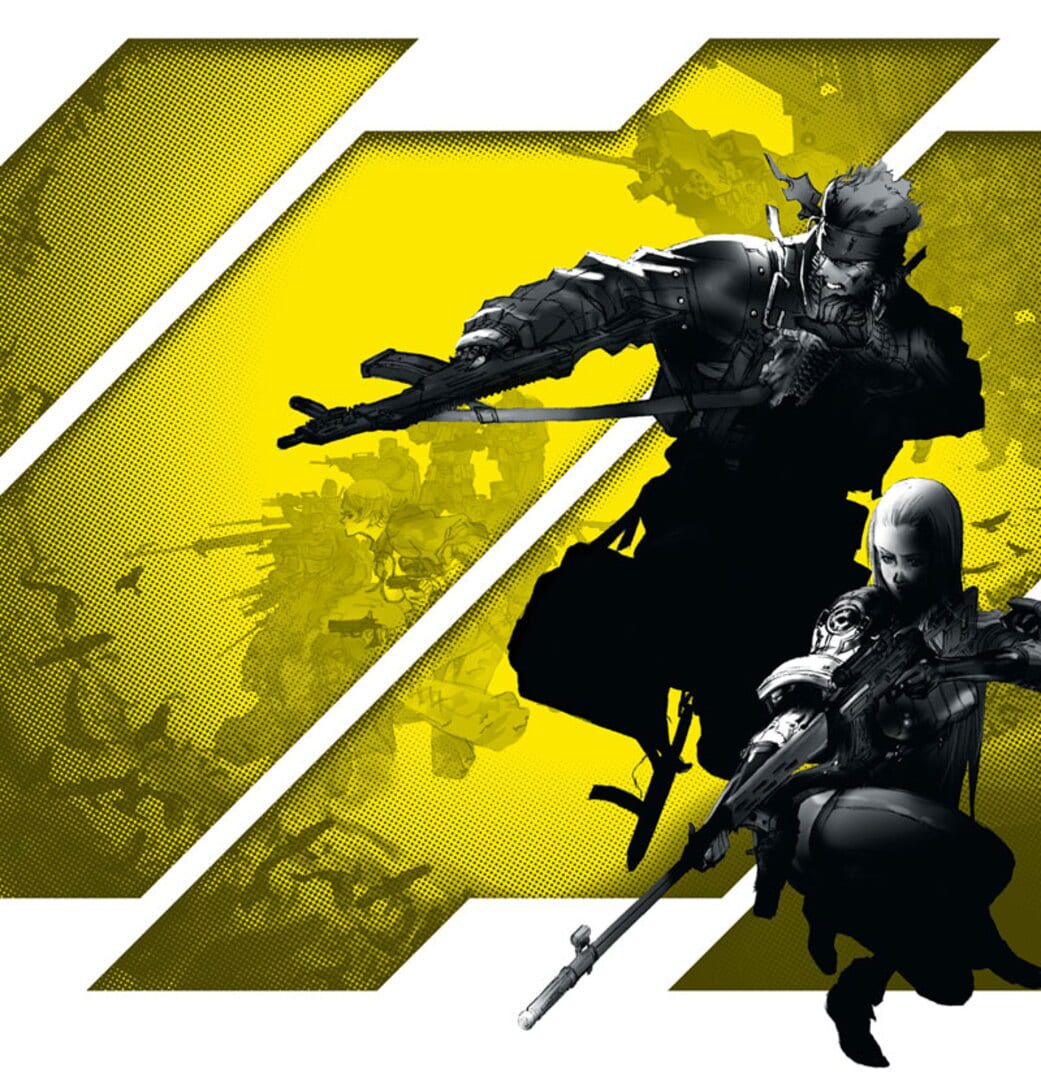
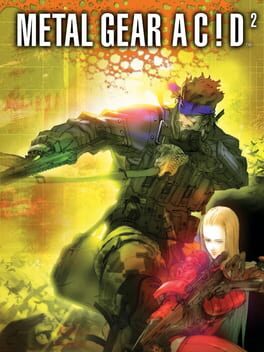
An All New Acid Trip! Metal Gear Acid 2 enhances the card based tactical gameplay of the original game while delivering even more explosive action from the Metal Gear universe. Featuring over-the-top visual effects, deeper strategic gameplay, and a new tutorial mode. Acid 2 is the best portable Metal Gear game to date.

Role-playing (RPG) / Turn-based strategy (TBS) / Tactical / Stealth
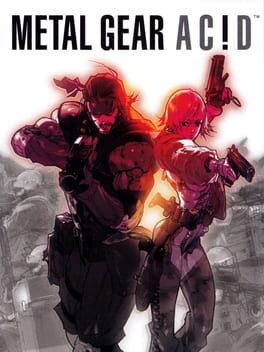
Metal Gear Acid is a turn-based collectable card game. It was the first game in the Metal Gear series for the PSP. A Java ME version for mobile phones was released by Glu Mobile in 2008 titled Metal Gear Acid Mobile. Acid focuses on turn-based tactics, using a trading card-based system to control the main character's movements and actions. Acid in the name stands for "Active Command Intelligence Duel". The cards are not truly collectable, as the game is complete with a single purchase. However, the game does feature deck design and deck optimization elements. The game allows for multiplayer gameplay by wireless ad-hoc connections of two PSPs. Before each round, the player can customize the deck of cards used by the main characters. Most cards are based on elements spanning the entire Metal Gear series, such as weaponry, characters, and even the Metal Gear itself. When the game is started, the player's hand can consist of a maximum of six cards. The maximum number of cards in a deck increases with overall progress. In action mode, the player can choose to use the cards as intended or use them to move the character. Most cards only allow the player to move three spaces, while certain cards let the player move up to six or higher. Cost is an important factor in gameplay and can be summed up as the weight of the player's action. With some exceptions, all cards have a cost attached to them and when used this cost transfers to the player. Cost varies radically from card to card. The higher the cost a character has, the longer that character must wait until their next turn. For example: if a player character has a cost of 15 and a guard has a cost of 10, then the guard's turn would occur before the character's. Some cards can be equipped; cards such as weapon cards, can have other cards attached to them in order to improve performance. In order to fire the weapon, another weapon card that uses the same kind of ammunition must be equipped. Some weapons don't need to be equipped and can be used by themselves, however, they are discarded afterwards. Other cards that can be equipped include equipment cards and action cards. Multiplayer, or "Link Battle", is also a new feature. Two PSP systems running Acid can link wirelessly, allowing players to face each other in a "sneak-off". The objective is to collect several diskettes before the rival player. Diskettes can be stolen by another player, so there is an emphasis on avoiding detection.
Role-playing (RPG) / Strategy / Turn-based strategy (TBS) / Fantasy / Romance
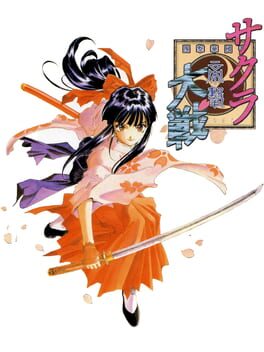
Released in 1996 for the Sega Saturn, Sakura Taisen is the first game in the iconic Japanese game franchise. It combines strategy RPG elements with dating sim-style character interactions to make "A Storm of Romance amid Taishou Cherry Blossoms!"

Role-playing (RPG) / Turn-based strategy (TBS) / Tactical / Fantasy / Historical
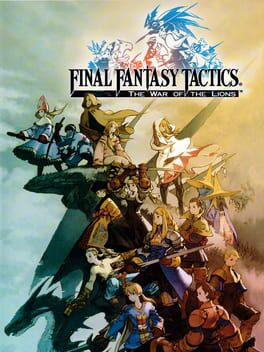
An updated version of the PlayStation game Final Fantasy Tactics, released on PlayStation Portable and later released on iOS and Android. "The stage is set for what history would one day record as the War of the Lions. Experience new CG cinematics. Meet new Characters. Explore new jobs & missions. Wage new multiplayer battles. Behold a new legend!"

Role-playing (RPG) / Turn-based strategy (TBS) / Tactical / Fantasy / Thriller
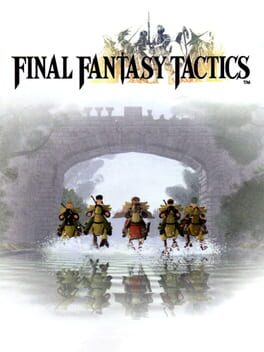
Lead epic battles in a new FINAL FANTASY world. Betrayal and darker dealings await in Squaresoft's game of war. Fight hundreds of battles across dangerous 3D terrain as an ancient blood feud awakens a deadlier foe.

Role-playing (RPG) / Turn-based strategy (TBS) / Tactical / Fantasy
School is out for the summer, but mischievous Luso Clemens must first face detention to make up for his misbehavior. Alone in the library, he stumbles upon an ancient book with magical powers that summons him to the mystical land of Ivalice. Warped into the middle of a battlefield, Luso joins Cid and his clan to set off on an adventurous journey looking for a way home.

Role-playing (RPG) / Turn-based strategy (TBS) / Tactical / Fantasy
Squaresoft brings its popular Final Fantasy franchise to the Game Boy Advance in the form of strategic warfare. Final Fantasy Tactics Advance trails the story of a young boy named Marche who is magically transported from his sleepy modern-time home to a strange kingdom where magic and adventure reign supreme. Players control a set of troops who specialize in various fighting, healing, magic, and archery skills (or job classes). Strategically positioning characters on the battle map, and calculating offensive advances are the keys to success. Two players can battle and trade items with the aid of the GBA link cable.

Role-playing (RPG) / Strategy / Turn-based strategy (TBS) / Fantasy / Warfare
Yggdra Union: We'll Never Fight Alone is a J-RPG and the second game in the Dept. Heaven series and follows the story of a girl named Yggdra whose family was killed and her kingdom conquered by an empire called Bronquia. Now she must recruit the best warriors from the land in order to regain her kingdom and confront the Emperor of Carnage, Gulcasa.

Role-playing (RPG) / Strategy / Turn-based strategy (TBS) / Science fiction
The second Gundam G Generation game is a strategy roleplaying game starring super-deformed (SD) versions of the anime heroes. Features MS08, 0083 Stardust Memory, Z Gundam, ZZ Gundam, Gundam Sentinel, Gundam F-91, V-Gundam, and other storylines. Players move units across hexagonal fields and battle enemies based on a variety of data, including height on map, suit stats, and more. Units gather experience in battle and can be leveled up to become even stronger. SD Gundam G Generation-0 was released for the Japanese PlayStation in 1999 and later re-released in the cheaper "Bandai the Best" product line.