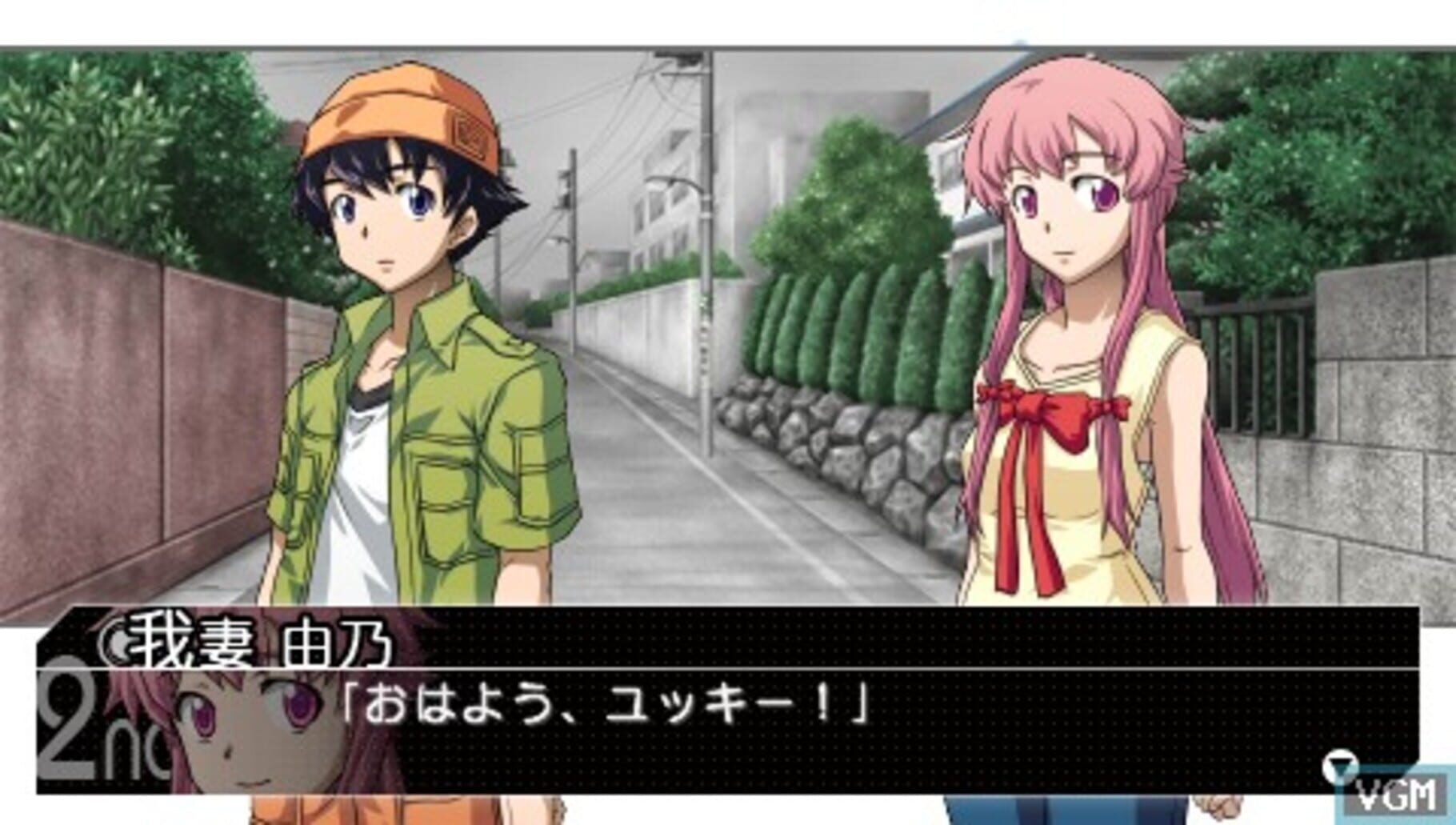
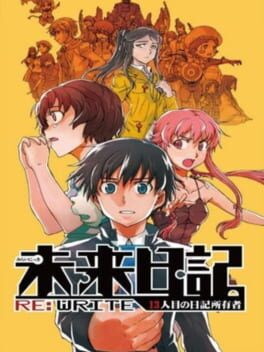
Mirai Nikki (Future Diary) RE:Write is a new game to the franchise where you control the events of the Survival Game! Featuring A new Character Azami Kirisaki - The 13th from Mirai Nikki: The 13th Diary Holder.

Fighting / Adventure / Action / Fantasy
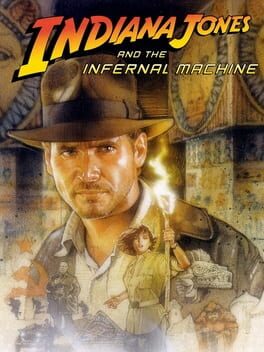
1947. The Nazis have been crushed, the Cold War has begun and Soviet agents are sniffing around the ruins of the fabled Tower of Babel. What are they up to? The CIA wants renowned archaeologist and adventurer Dr. Henry "Indiana" Jones, Jr. to find out. Grab your whip and fedora and join Indy in a globe-spanning race to unearth the mysterious "Infernal Machine."

Fighting / Hack and slash/Beat 'em up / Adventure / Action / Fantasy
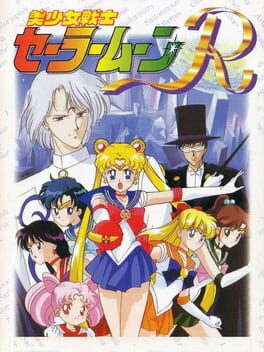
Bishoujo Senshi Sailor Moon R is a video game released for the Super Famicom by Bandai in 1993. It serves as a sequel to Bishoujo Senshi Sailor Moon. Upon starting the game, the player can choose one of 5 characters (2 can be selected for co-op). The game is divided into four levels; each level being divided further into two sub-levels. The player will fight numerous enemies, mostly consisting of default Droids based on their manga incarnations. At the end of each level, a boss must be defeated to proceed. Pressing a special button makes the character use a devastating attack that kills all lesser enemies on screen and causes significant damage to a boss character, although the use of the attack is limited. Bonus items can be picked up from the ground or found in breakable objects, usually in the form of food items that replenishes the life meter to varying degrees. Chibiusa Mode is synonymous with an "Easy Mode". Chibiusa's sprite is too short to be hit by most attacks, and the enemies are also made easier to beat. There is also bonus Battle Mode, which acts as a 1v1 arcade fighter for 2 players. Selecting this mode with only one player allows it to work as a training mode, with the other character remaining motionless.

Fighting / Adventure / Fantasy / Historical
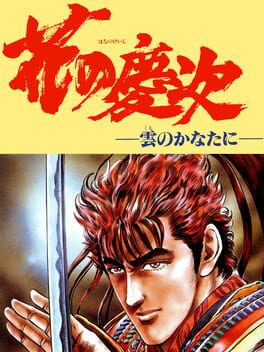
Hana no Keiji: Kumo no Kanata ni is a weapon-based versus fighting game based on the manga of the same title (created by Tetsuo Hara). There are two playable modes, in one you can follow the manga story, while in other you can fight against the computer or player two. There are eight different characters and scenarios to choose from. When following the manga story, there are different paths depending on the choice that the player makes. The most significant thing about the versus battle is that the characters can lose their weapons as much as recover them. Also, a special trick can be executed when the player has enough energy.

Fighting / Adventure / Arcade / Action / Fantasy
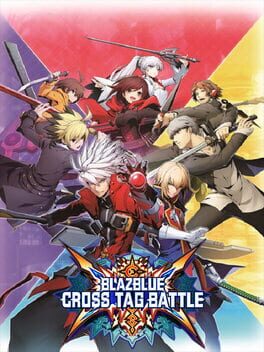
"THE COLLISION IS INEVITABLE! THE IMPACT WILL BE UNAVOIDABLE! An unrivaled clash of explosive proportions! The beloved BlazBlue franchise Crosses universes, Tags in fan favorites, and Battles it out in BlazBlue: Cross Tag Battle! Created through an all-star collaboration between BlazBlue, Atlus’ Persona, French Bread’s Under Night In-Birth, and Rooster Teeth’s hugely popular RWBY web series, Cross Tag Battle celebrates the fighting genre for pros and newcomers alike! Choose your team in fast paced 2v2 team battles filled with the craziness you’ve come to love from BlazBlue, with all the tight mechanics, smooth gameplay, and gorgeous 2D graphics you expect from Arc System Works."

Fighting / Puzzle / Role-playing (RPG) / Fantasy
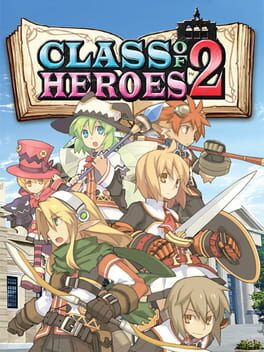
Class of Heroes 2 is a Role-Playing game, developed by Zerodiv and published by Acquire, which was released in Japan in 2009.

Fighting / Role-playing (RPG) / Adventure / Action / Fantasy
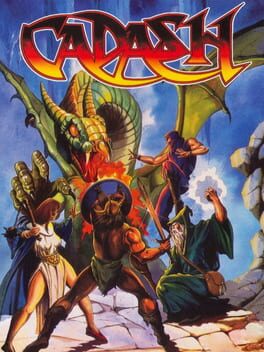
Cadash is an early example of what would become a fairly common trend in Japanese-made arcade games of the early 1990s: the "platform-RPG". Cadash borrows many principles of Zelda II: The Adventure of Link's gameplay, combining side-scrolling platform action with an RPG system of statistics, levels, money and magic. Four characters can play at once in the arcade version, and up to two players may select from four different characters in the console versions: fighter, mage, priestess, and ninja, each with different attacks, statistics and skills. Players then proceed through each level, killing monsters and bosses, collecting keys to unlock doors and collecting gold and experience. Gold is also taken from slain foes and treasure chests. Villages sell items, weapons, armor and (in the console versions) extra lives, with each village encountered providing better equipment. Some villagers and benevolent creatures will also provide information. The arcade version has a limited game time, which can be extended by buying progressively more expensive hourglasses at shops, or by picking up rare bonuses. In shops, and in hidden places, are medicinal herbs which restore 10 HP if brought to zero, and antidotes which cure poison inflicted by specific foes. There are also two elixirs in the game that act like medicinal herbs, except that they restore all HP. There are five stages in the game. Stages one, two and four consist of two worlds, above and below ground. Stage three consists of three worlds. Stage five is set entirely within Castle Cadash. The environments differ significantly, from pleasant meadows to caves, and from forests to underwater environments. Some foes encountered in these levels are derived from common mythology while others are completely made up for the game.
Fighting / Role-playing (RPG) / Adventure / Fantasy / Science fiction
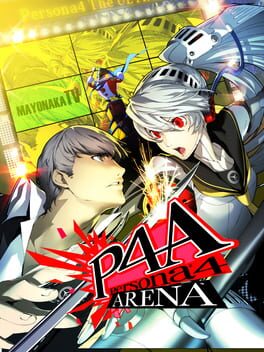
Persona 4 Arena is a fighting video game developed for Japanese arcades and later ported to home consoles. Based on Atlus' Persona role-playing game series, Arena serves as a direct sequel to Persona 4 and features characters from its predecessor, Persona 3. Atlus wrote the story to the game while Arc System Works handled the gameplay.