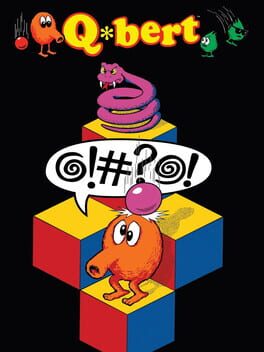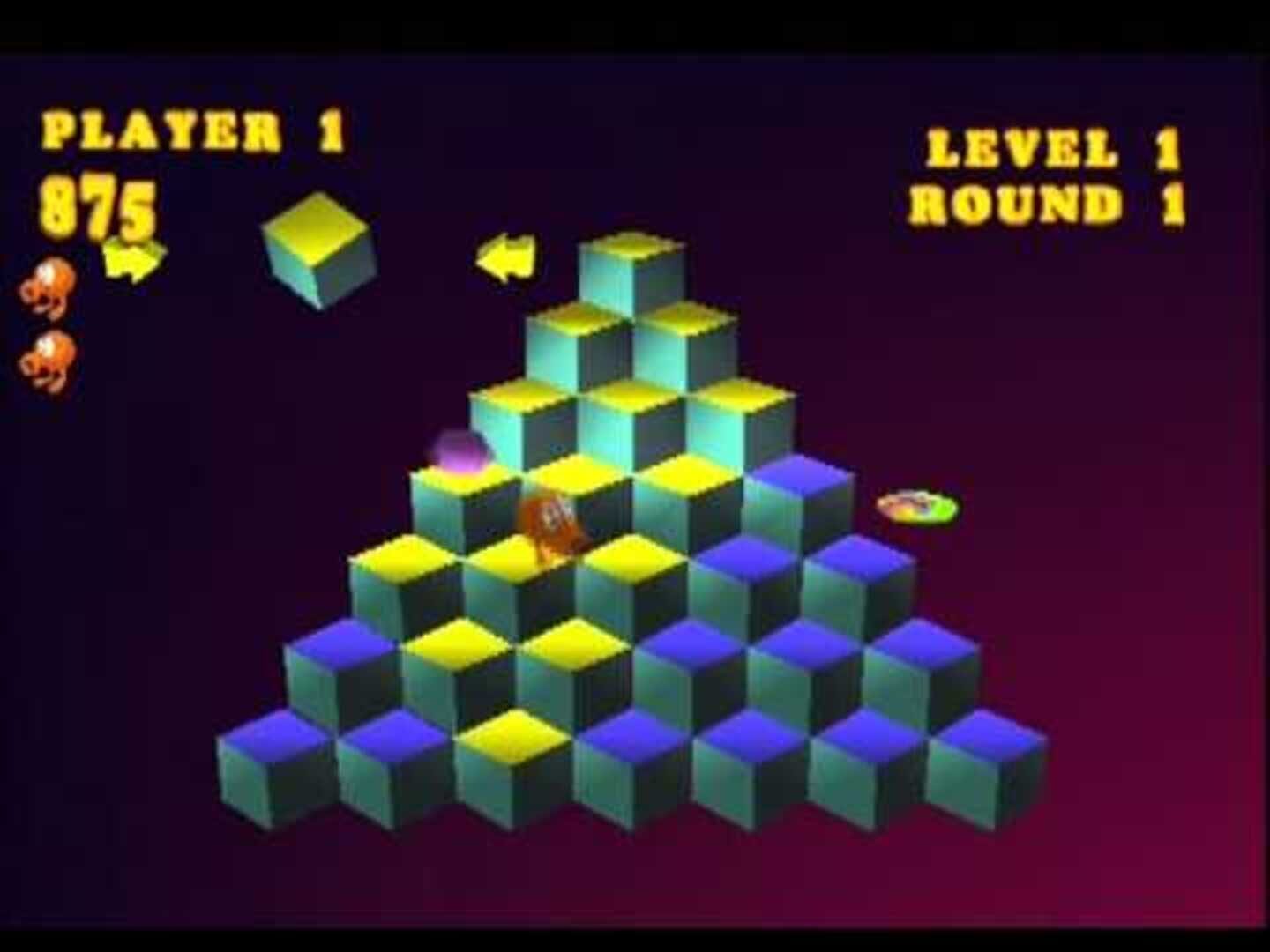
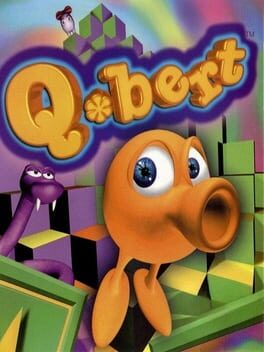

Q*bert is a remake of the arcade game of the same name with three-dimensional (3D) graphics. It was developed by Artech Studios and released by Hasbro Interactive on the PlayStation and PC in 1999 and on the Dreamcast in 2000. Q*bert has 3 modes of play. Classic is like the original Q*bert, and the graphics can be changed from Retro to Modern. The Adventure mode takes Q*bert to 3D dimensions, and contains power ups and all new characters set in 4 worlds. Head to Head is a multiplayer mode.

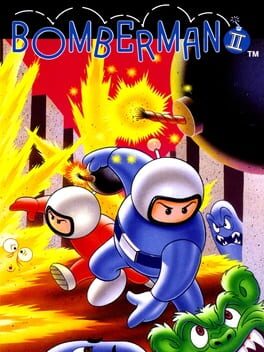
Bomberman II follows the popular Famicom/NES game Bomberman, incorporating a number of new features to the series. The game maintained the classic Bomberman game-type, requiring the player to navigate a maze of blocks using bombs to make a path. It added a two-player and three-player mode, and had a more developed storyline. The game was developed by Hudson Soft and released on the Family Computer and the NES. It was marketed as Dynablaster in Europe.

Puzzle / Hack and slash/Beat 'em up / Arcade / Action / Comedy
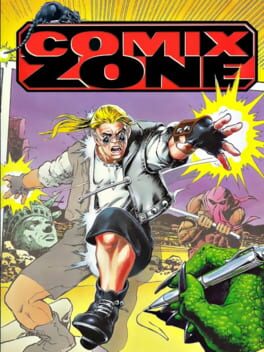
Comix Zone is an action platformer in which players control Sketch Turner as he progresses through panels of his comic book, hoping to reach the end and escape before his own creations finish him off. But there is hope. Now that he’s a comic book superhero, Sketch can kick some serious butt.

Platform / Puzzle / Adventure / Action
Did you just wake up in the afterlife? The only thing you know is that you’re tasked with a strange mission - collect all your debts! Pick all the coins in 30 levels full of riddles, lethal traps, ruthless enemies...and time pressure! Be smart, be fast and make the best use of your hero’s assets: a rock-solid head that can crush blocks and some good ol’ explosives. You also need to take advantage of your environment by pushing and placing boxes in a clever way. Just like in the golden days of gaming, enjoy some nice chiptune music, silly characters and pixel graphics and challenging puzzle-platforming action.

Platform / Puzzle / Arcade / Action / Comedy
Q*bert was a popular arcade game that was released on a large number of consoles in the early 1980s. It was developed and published by Gottlieb, and became their most successful game. The concept serves as a precursor to the isometric platformer genre, where the title character must work to turn all cubes to a certain colour in a psuedo-3D world, made 3D through isometric graphics in the same way that the Penrose Stairs was made. The game was widely successful and has become a highly recognizable brand of the 1980s gaming era.

Puzzle / Strategy / Arcade / Action / Science fiction
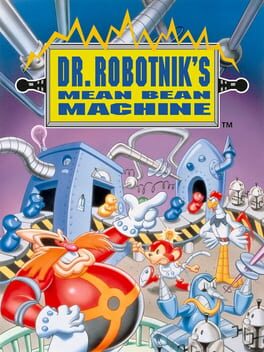
Dr. Robotnik is changing the jolly folk of Beanville into devious little robots that will help rid Planet Mobius of music and fun forever. Group the beans together to help them escape, and compete against Robotnik’s wily henchbots!

Platform / Puzzle / Adventure / Action / Science fiction
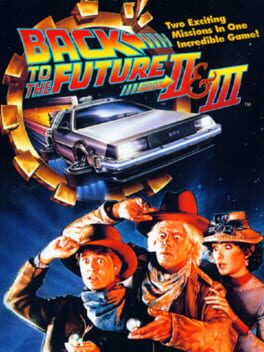
Back to the Future Part II & III is the sequel to the original Back to the Future game, and is based loosely off of the second and third films of the popular Back to the Future movie franchise. The game was developed by Beam Software for the Nintendo Entertainment System. The game was received fairly negatively when released-with many complaining in particular about the game's length coupled with lack of a save feature.