
The Sega Saturn version, released in July 1997, added an unlockable battle mode in which the player must traverse through a series of rooms from the main game and eliminate all enemies within them with the weapons selected by the player. It features two exclusive enemies not in the main game: a zombie version of Wesker and a gold-colored Tyrant. The player's performance in the battle mode is graded at the end. The game's backgrounds were touched up to include more detail in this version. The Japanese version is the most gore-laden of all the platforms; after decapitating a crawling zombie with a kick, the head remains on the floor, and Plant 42 can cut the character before the game over screen; though the live-action footage is censored in the U.S. version. The Saturn version also features exclusive enemy monsters, such as a re-skinned breed of Hunters known as Ticks and a second Tyrant prior to the game's final battle in Chris's game. Exclusive outfits for Jill and Chris were added as well.
On July 24, 1998, when a series of bizarre murders occur on the outskirts of the fictional Midwestern town of Raccoon City, the Raccoon City Police Department's S.T.A.R.S. team are assigned to investigate. After contact with Bravo Team is lost, Alpha Team is sent to investigate their disappearance. Alpha Team locates Bravo Team's crashed helicopter and land at the site, where they are suddenly attacked by a pack of monstrous dogs. After Alpha Team's helicopter pilot, Brad Vickers, panics and takes off alone, the remaining members of the team — Chris Redfield, Jill Valentine, Albert Wesker, and Barry Burton — are forced to seek refuge in a nearby abandoned mansion. Depending on which character the player chooses to assume control of (Chris or Jill), either Barry or Chris are separated from the rest of the team during the chase and do not make it to the mansion. The team decides to investigate the mansion to search for their missing team member.
Puzzle / Adventure / Action / Fantasy
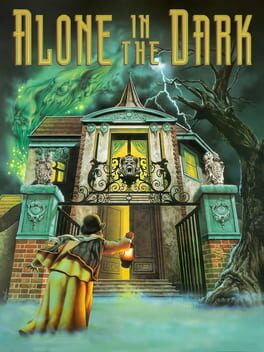
Alone in the Dark is one of the first survival horror games and the first to utilize 3D models superimposed on pre-rendered backgrounds, which would become a key inspiration for upcoming horror games at the time, like the Resident Evil franchise. The player can use various weapons, such as pistol, rifle, swords and knives, though it is possible to kill most enemies with melee attacks. Some opponents can be beaten by solving a particular puzzle, while a significant number of opponents cannot be killed at all or only with certain weapons.

Shooter / Puzzle / Adventure / Action / Science fiction
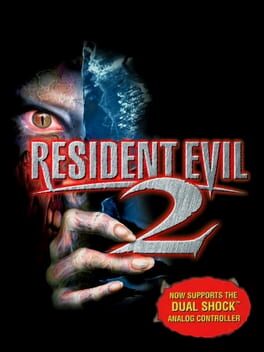
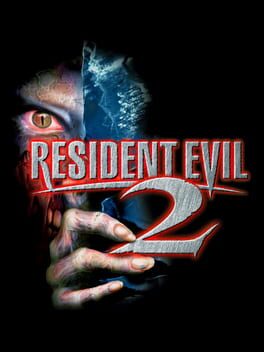
Resident Evil 2 is a sequel to the first Resident Evil title. Like the previous game in the series, Resident Evil 2 is a 3D action-adventure using three-dimensional polygon characters over two-dimensional pre-rendered backgrounds, with the action viewed through a variety of cinematic fixed camera angles in each room. Players can choose to play as one of two possible characters; each goes through the same initial scenario but with differences in the type of weaponry they find and the people they meet along the way.

Shooter / Puzzle / Adventure / Action / Horror
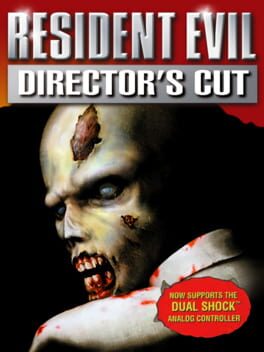
This game is a special re-release of Resident Evil: Director's Cut with added Dual Shock analogue stick support. It also includes work-in-progress videos of the sequel Resident Evil 2 (also known as Resident Evil 1.5), which shows a very different version of the game than was actually released. In North America, Resident Evil: Director's Cut Dual Shock Ver. was released as a downloadable game available from the PlayStation Network soon after it launched in November 2006, although the game is advertised with the original Director's Cut box art. In Japan and Europe, the original Director's Cut was instead made available from the PlayStation Network.

Shooter / Puzzle / Adventure / Action / Horror
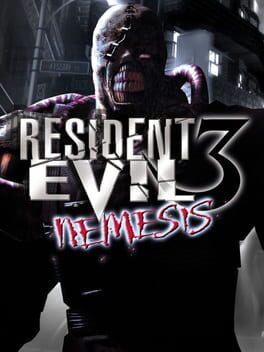
Resident Evil 3: Nemesis is a survival horror video game and the third instalment in the Resident Evil series. Like its two predecessors, it is a third-person action-adventure game with polygonal characters on pre-rendered backgrounds with cinematic camera angles. Although the game uses the same basic engine and gameplay as the previous games, the gameplay is improved by features such as auto-targeting, a 180-degree spin, and a new dodge move that allows Jill to avoid enemy attacks. The PC and Dreamcast versions include all eight of Jill's possible costumes, as well as the mercenary mini-game Operation Mad Jackal, which allows players to play as one of the three Umbrella soldiers. On the PlayStation version, these special features must be unlocked by beating the game with a high score.

Shooter / Puzzle / Adventure / Action / Horror
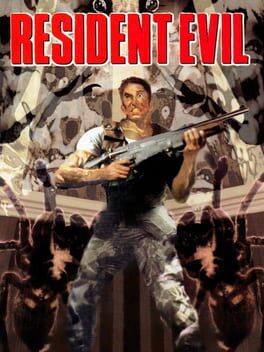
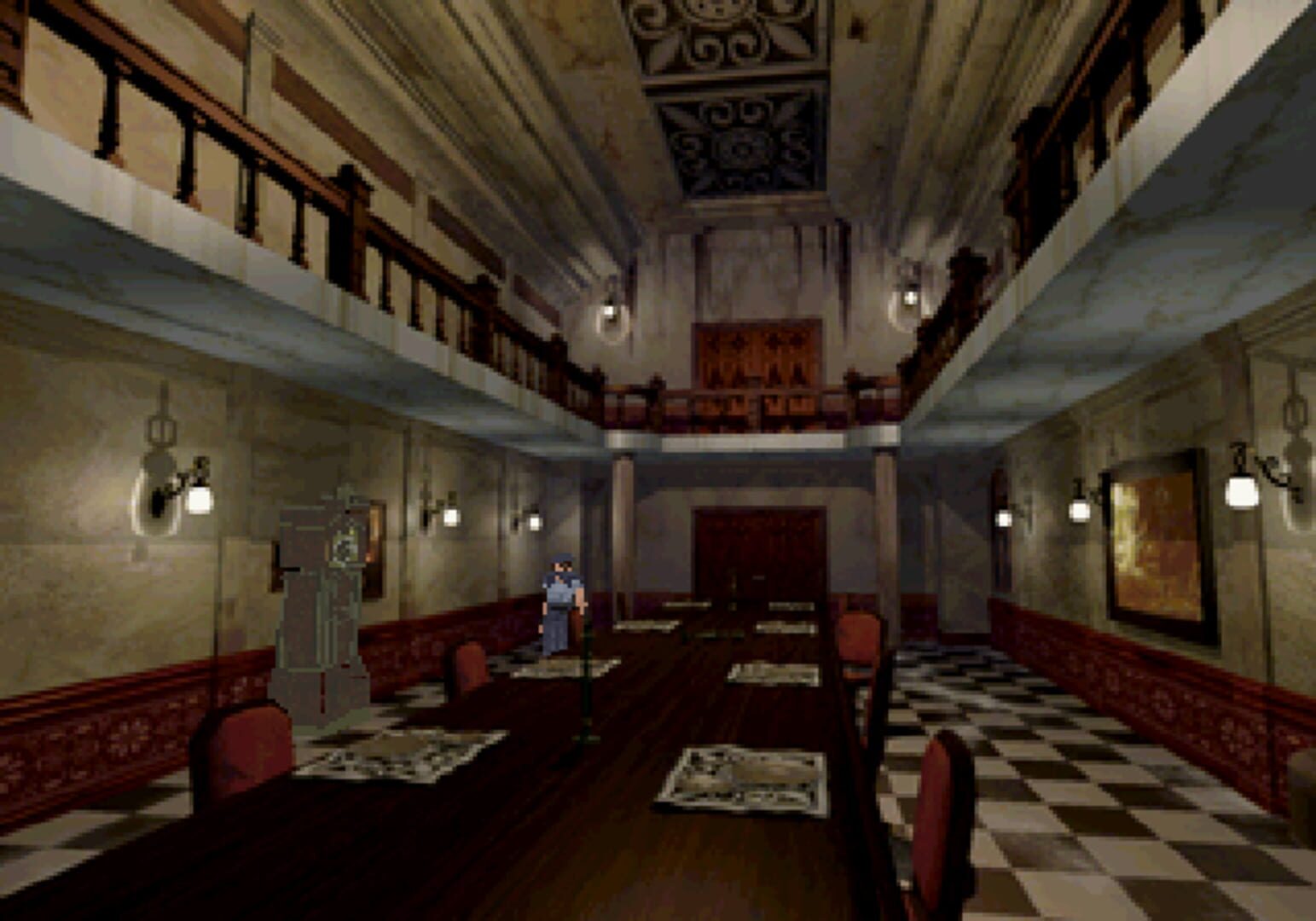
Resident Evil is a survival horror classic in which a group of special forces agents, known as S.T.A.R.S, struggle against hordes of zombies and various other mutants in a mysterious mansion as they try to uncover the truth behind the terrifying infection. The gameplay environment consists of polygonal 3D characters placed over pre-rendered 2D backgrounds. As such, the game relies on pre-determined camera angles for a view of the action instead of a real-time camera like most games. The game is credited for coining the phrase "survival horror" and popularizing the genre.

Shooter / Puzzle / Adventure / Action / Horror
First re-release of Resident Evil 2, the Dual Shock Ver. incorporated support for the PlayStation's DualShock analog controller and vibration functions. Also included is a new unlockable mini-game called "Extreme Battle" and a "Rookie" mode, which allows the player to start the main story with a powerful weapon with infinite ammo.

Puzzle / Adventure / Action / Horror
The Game Boy Color version of Alone in the Dark: The New Nightmare received a relatively faithful adaptation of the home console game. The cartridge-based format necessitated the removal of the full-motion video cutscenes present in other versions, and many gameplay areas had to be reduced in size, with some eliminated entirely. However, the basic pre-rendered environments and the 3D characters imposed on top of them remain.

Puzzle / Adventure / Action / Fantasy
The Legend of Zelda: Majora's Mask is a direct sequel to Ocarina of Time, it utilizes the same engine and visual style as its predecessor. The game retains the traditional elements of Zelda games as well as those introduced in Ocarina of Time, such as active blocking with a shield, various throwing items, and the usage of melodies played on the ocarina to solve puzzles. Compared to the previous Zelda games, this installment is more oriented towards interaction with NPCs and has a larger variety of items, optional quests, and mini-games. It also includes a time system that spans three days, and this cycle must be reset periodically to progress through the game.