
Developed by Natsume Atari for Bandai Namco Games.
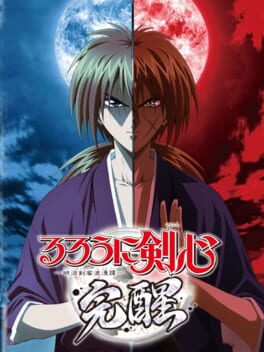
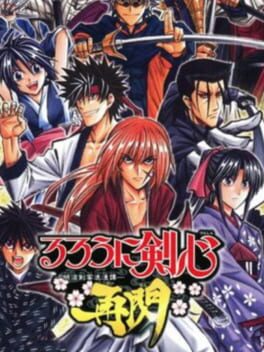
Rurouni Kenshin: Meiji Kenkaku Romantan Kansei is a PSP 2D fighting game released on August 30, 2012. The game is a sequel to Rurouni Kenshin Meiji Kenkaku Romantan Saisen and has similar gameplay and graphics. The creators claimed to have improved the gameplay for this game by taking complaints about the first one to heart. Just like the first game the first print contained. The game has a brand new engine and incorporates clips from the anime and all three OVAs.
After the epic of Kyoto, Kenshin and his group settle back into their usual cycle of adventures. Old friends like Yutaro and Misao make appearances, as do villians like Shogo Amakusa, a rogue warrior who fights with the same sword style as Kenshin.
Fighting / Adventure / Fantasy / Historical
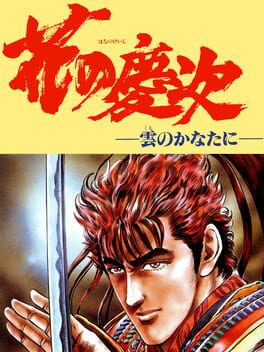
Hana no Keiji: Kumo no Kanata ni is a weapon-based versus fighting game based on the manga of the same title (created by Tetsuo Hara). There are two playable modes, in one you can follow the manga story, while in other you can fight against the computer or player two. There are eight different characters and scenarios to choose from. When following the manga story, there are different paths depending on the choice that the player makes. The most significant thing about the versus battle is that the characters can lose their weapons as much as recover them. Also, a special trick can be executed when the player has enough energy.

Meiji Kenkaku Romantan Saisen is a PSP game that was released on March 10, 2011. The first print of the game included an artbook, 15 PSP themes and an arkanoid game containing an alarm clock. The game was released to celebrate the 15-year anniversary of the anime series.

Fighting / Hack and slash/Beat 'em up / Arcade / Action / Fantasy
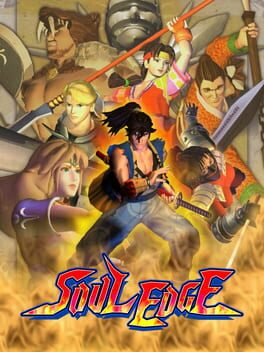
Soul Edge is a 3D arcade fighting game and the first in the Soul series, it is one of the first 3D fighting game in history that place a particular emphasis on the story of the fighters. Each character have their own weapon, allowing for a wide range of play styles. The slower, longer ranged characters try to deliver their heavy blows from a distance whereas the quicker, faster characters try to get in as close as possible and deliver quick-hitting attacks.

Fighting / Hack and slash/Beat 'em up / Action / Historical
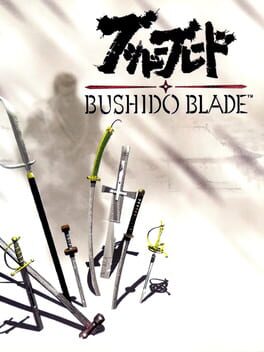
"Bushido" is the soul of Japan - an ancient honor code deeply followed by samurai warriors for centuries. Plunge into real world battles across vast 3D environments that you can run, slice and tear through. Sword matches become unbelievably real where one critical blow is the mean difference between death and victory.

Fighting / Adventure / Action / Fantasy
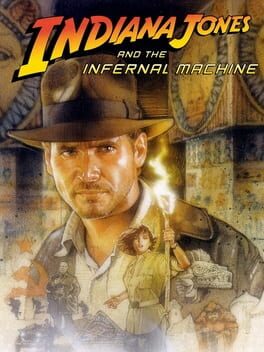
1947. The Nazis have been crushed, the Cold War has begun and Soviet agents are sniffing around the ruins of the fabled Tower of Babel. What are they up to? The CIA wants renowned archaeologist and adventurer Dr. Henry "Indiana" Jones, Jr. to find out. Grab your whip and fedora and join Indy in a globe-spanning race to unearth the mysterious "Infernal Machine."

Fighting / Arcade / Action / Historical
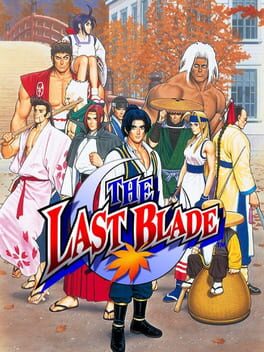
The Last Blade is a fighting game developed and published by SNK and released in arcades in 1997. It is set in a fictional version of late 19th-century Japan and features a roster of sword-wielding characters. The game uses a weapon-based combat system with selectable fighting styles that emphasize speed or power. Its presentation draws heavily on historical themes and traditional Japanese aesthetics.

Fighting / Arcade / Action / Historical
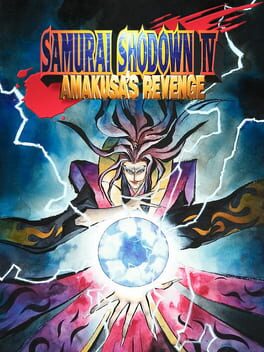
Samurai Shodown IV: Amakusa's Revenge, also known as Samurai Spirits: Amakusa's Descent in Japan, is the fourth in SNK's flagship Samurai Shodown series of fighting games. Chronologically, it is the second and final chapter of a story between Samurai Shodown and Samurai Shodown II, with Samurai Shodown III being the first chapter.

Fighting / Action / Historical
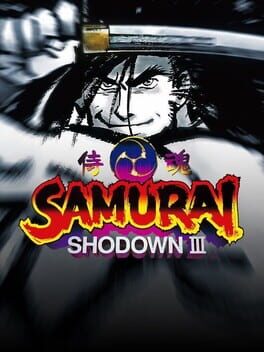
Samurai Shodown III was to be the start of a bold new direction for the franchise. The most obvious difference between this game and the others in the series is the notably darker aesthetic. The more light-hearted characters (Earthquake, Cham Cham, and Gen-an to name a few) from the previous games have been excised, and even the kabuki master, Kyoshiro Senryo, received a redesign, transforming him from a flamboyant stage performer into a grim-faced, muscular man. All of the characters have been completely redrawn. The animation is very smooth for all characters, another departure from the graphical style of the second game.