Developed by Pandora Box Creative Office for Sony Computer Entertainment.
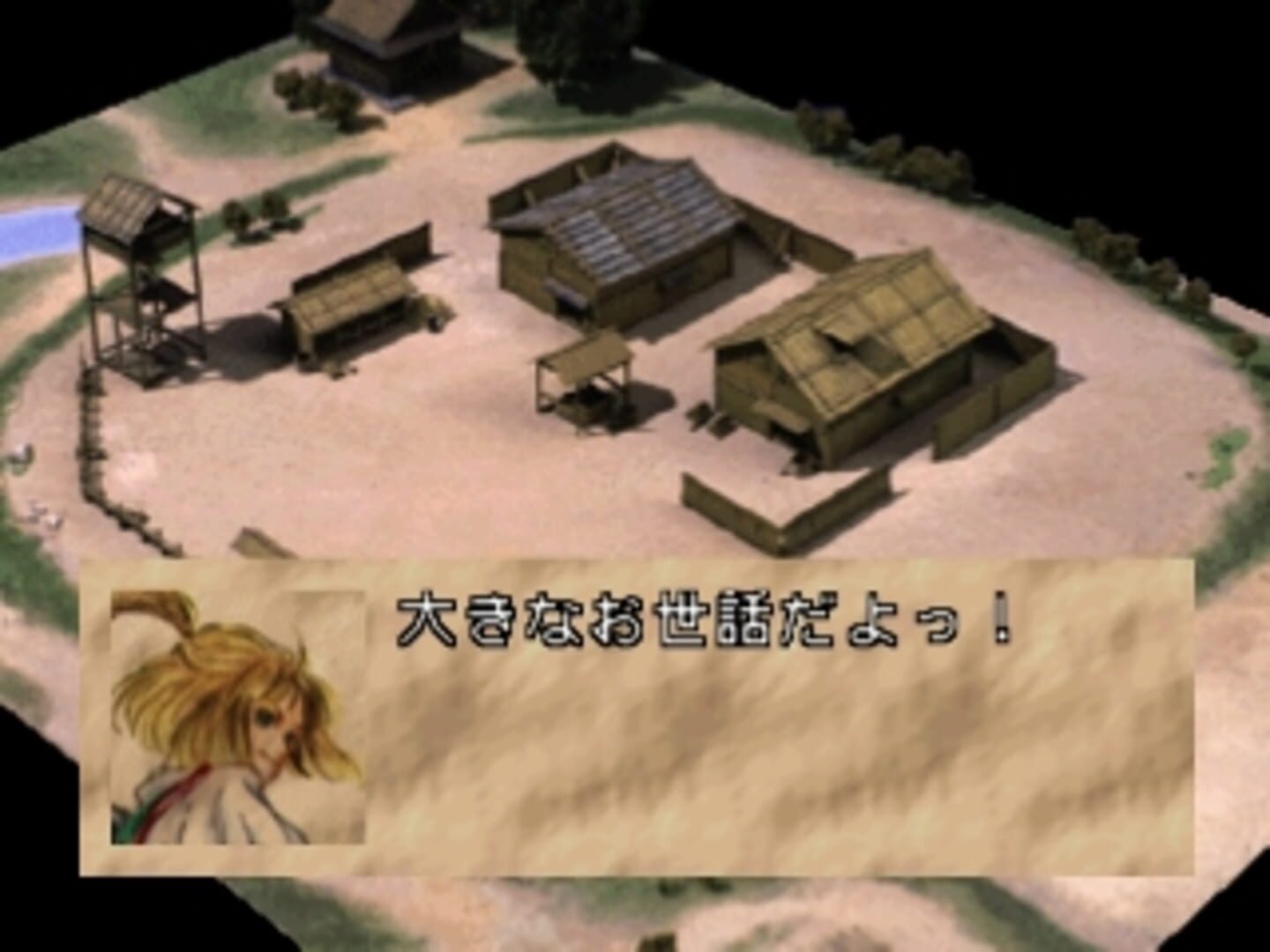
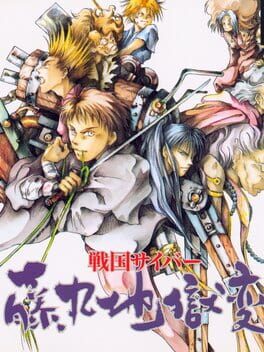
Sengoku Cyber - Fujimaru Jigokuhen is a tactical strategy role-playing game that follows the ninja Fujimaru and his ninja clan.
The story is about the ninja Fujimaru that got a group of ninjas and have to complete different missions to gain money for their clan, with that money they can buy new weapons and items, or different thing to improve their habilities. Between missions the player can train his ninjas doing different kind of trainings (like farming, weapons, climbing, magic, etc).

Role-playing (RPG) / Simulator / Strategy / Fantasy / Historical
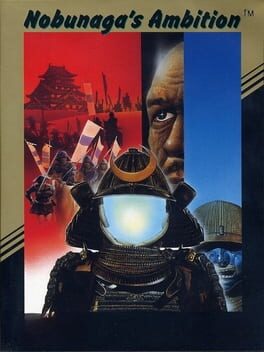
The second game in the series, previously released as Nobunaga's Ambition in the West. Players take on the role of one of the main characters of the period, Nobunaga Oda, Shingen Takeda, Kenshin Uesugi, or others and try to unite the 50 kingdoms of Japan, from Ezo in the north to Kyushu in the south, under their own rule.

Role-playing (RPG) / Strategy / Turn-based strategy (TBS) / Fantasy / Historical
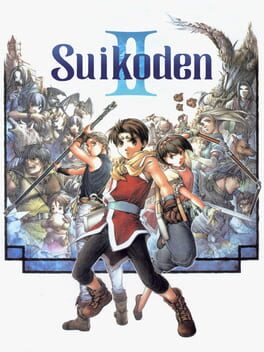
Suikoden II is a role-playing game developed and published by Konami for the PlayStation. Set in a world of warring nations, the game follows a silent protagonist caught between the Kingdom of Highland and the City-States of Jowston. Gameplay combines turn-based party combat, one-on-one duels, and grid-based strategic army battles. Players can recruit over 100 characters, many of whom join the party or contribute to a home base that expands throughout the game. Save data from the original Suikoden can be imported to carry over certain characters and story details.

Role-playing (RPG) / Strategy / Turn-based strategy (TBS) / Fantasy / Historical
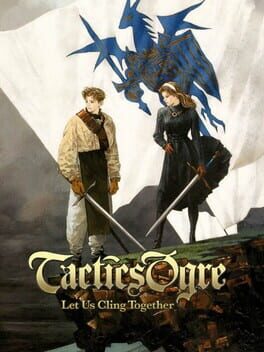
Tactics Ogre is a 3D isometric tactical role-playing game. The player starts out with a band of troops, builds a small army and fights many battles with choices to make in between, that will determine which one of the eight possible endings will be reached in a non-linear storyline. The player has the option to recruit characters, control individual equipment of each character, with over six male character classes, six female character classes, three demi-human classes, and more. It is also possible to train at safe locations to prepare the army before the next battle or storyline advancement.

Role-playing (RPG) / Strategy / Turn-based strategy (TBS) / Fantasy / Historical
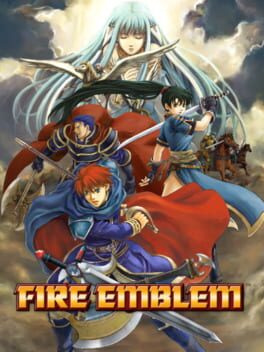
It is the seventh game of the Fire Emblem series, the second game in the series to be released for the Game Boy Advance, and the first to be released in both North America and Europe. It features a prologue storyline designed to introduce newcomers to Fire Emblem gameplay and tactical basics. The overall narrative is a prequel to the events of the previous game, Fire Emblem: The Binding Blade, which is set twenty years later. The game was first released under the localized title "Fire Emblem" in the West, but it was later rebranded as "Fire Emblem: The Blazing Blade" when Fire Emblem Heroes was released.

Role-playing (RPG) / Strategy / Action / Fantasy
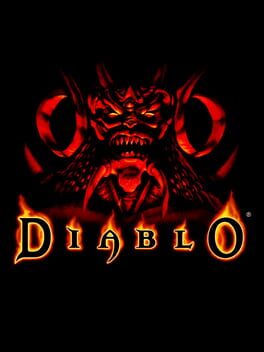
Diablo is an isometric strategy RPG and one of the most well-known examples of the action-RPG subgenre. Although some of the game mechanics resemble a typical RPG, all actions are done in real-time just like in an action game. The player have to kill hordes of monsters through randomized dungeon levels in order to gain experience points, gold and a variety of equipment to bolster the hero's monster-killing potency.

Role-playing (RPG) / Strategy / Turn-based strategy (TBS) / Fantasy / Historical
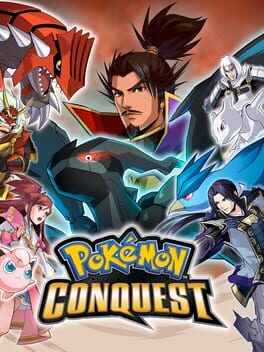
Pokémon Conquest is a strategy game set in the Ransei region. You play as a Warlord of the Primus Kingdom, one of the 17 Kingdoms in the Ransei region. You are charged with the task of battling against a wide variety of powerful opponents, including the mighty Nobunaga, whose goal is to destroy the Ransei region!The 17 Kingdoms of the Ransei region possess a variety of Armies competing for control. The 17 Kingdoms are also deeply linked to a specific Pokémon type. Primus Kingdom, for example, has a strong connection with Normal-type Pokémon!

Role-playing (RPG) / Strategy / Adventure / Fantasy / Historical
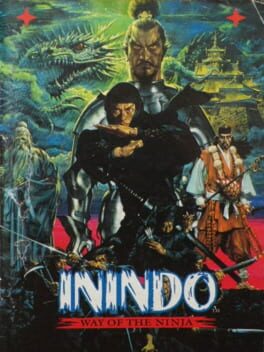
"Inindo: Way of the Ninja" is a console-style RPG with a touch of strategy. You navigate your hero on the world map, visit towns, and descend into dungeons. The battles are turn-based and are viewed from a third-person perspective, like in Final Fantasy games. You can move on the battle field and use melee or long-ranged attacks. You'll be able to recruit characters of various classes to your party, who will join you for profit or for other reasons. After you gain enough experience, you'll also be able to talk to daimyos (feudal rulers) of various castles and to convince them to work together against Nobunaga. You can also perform various tasks for the daimyos, such as spying. 1581, Japan. Fearing a rebellion and striving to conquer the entire country, the warlock Nobunaga orders to attack the Iga ninja clan. The ninjas bravely defend their village, but, being vastly outnumbered, are mercilessly slain by Nobunaga's men. Only one survived: you, the hero of the game. Shortly before the assault you were sent to a nearby village to warn the elder of Nobunaga's attack. However, the other village is also destroyed by Nobunaga's army. You swear to avenge his crime. But for now, you are just an inexperienced young men, and are "wanted" by Nobunaga's men and ruthless bounty hunters. Will you be able to unite Japan in the ultimate struggle against Nobunaga?
Real Time Strategy (RTS) / Role-playing (RPG) / Strategy / Action / Fantasy
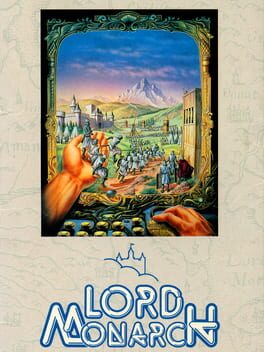
The Super Famicom version of Lord Monarch additional themes in addition to the medieval Europe theme. There is a futuristic theme with robots, a fast food theme with French fries and soft drinks attacking health food, a Three Kingdoms era theme, and a fairy-tale theme. The game is automatically paused until someone presses the Start button, so there is unlimited time for making alliances in the Super Famicom version—until the start button is pressed. The Super Famicom version of Lord Monarch was one of the few games to support the Super Famicom mouse. A later version of the game was broadcast exclusively for Japanese markets via the Super Famicom's Satellaview subunit under the name BS Lord Monarch and was view-limited.