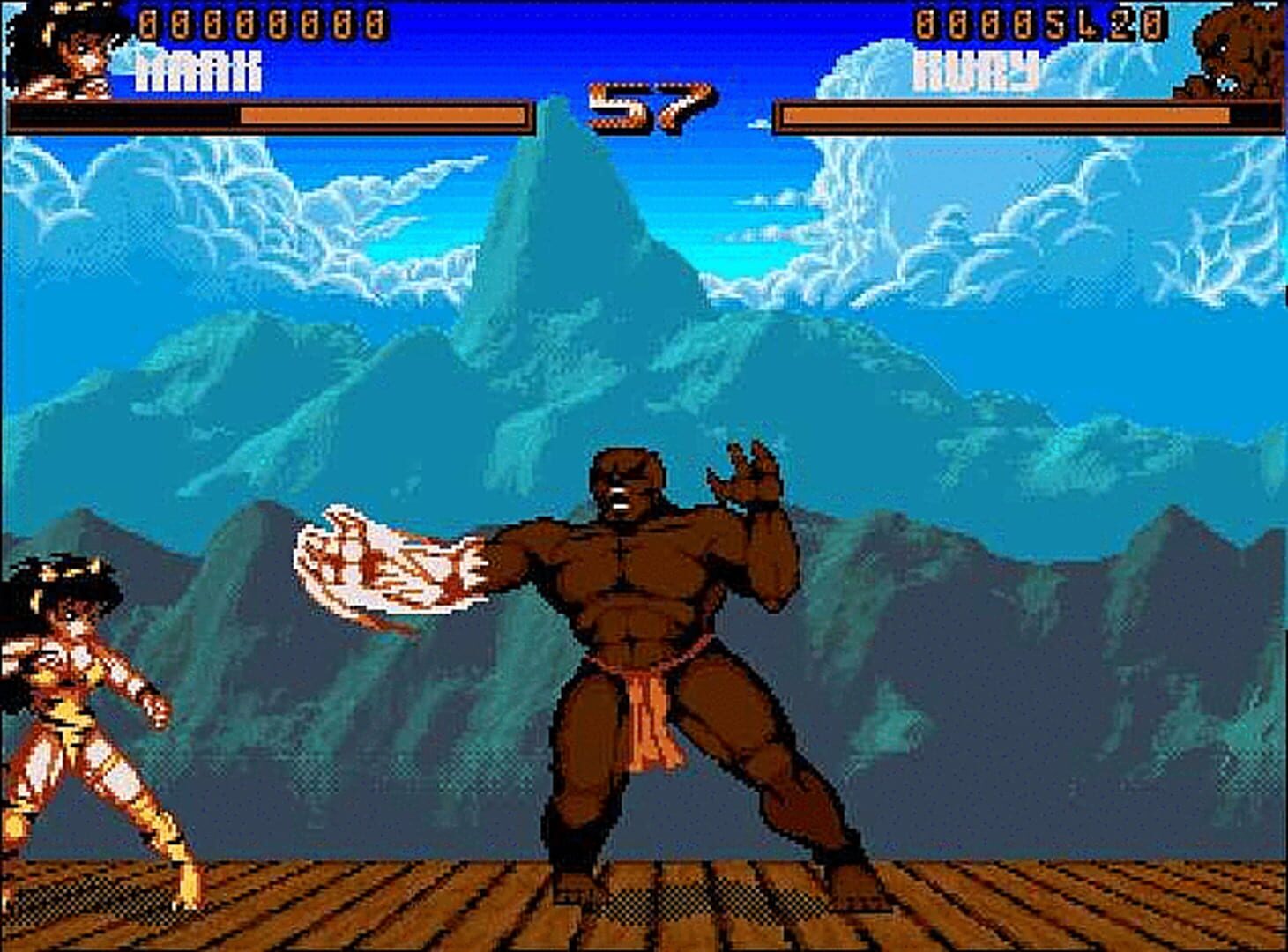
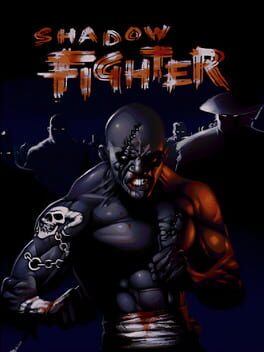

Shadow Fighter is a computer game for the Commodore Amiga, and Amiga CD32 developed by NA.P.S. team and published by Gremlin Interactive in 1994, and became one of the Amiga's best fighting game offerings during its final years, competing at the time with the likes of Acclaim's impressive home console ports of Midway's Mortal Kombat franchise, and Team 17's Body Blows.
The game itself is as one would normally expect from any fighting game: fight through 3 rounds against all opponents to reach the main boss at the end. The game features 17 characters (2 hidden) from around the world (including one from space). Each character of course has their own special moves. Like most fighting games, they involve pressing a certain directional combination, followed by a button press to activate. Some of the moves are quite tricky to pull off using a joystick or keyboard, though much easier with a joypad (which started to become more popular on the Amiga towards the mid-90's). But for those still finding the moves too difficult to perform, the player can practice their moves on a training dummy called Pupazz. However, Pupazz is kitted out with his own set of moves, which make him lethal in his own right. Pupazz can only be accessed as a playable character via a cheat. During the in-game action, players are notified of bonuses for performing certain actions (such as first attacks and combos), in a very similar way to Super Street Fighter II. To rival the bloody violence of Mortal Kombat, a "blood mode" is included in the game, which can be toggled on or off. Unfortunately, this appears to do nothing other than turn the floor an untextured red colour. The main character of the game is Shadow Fighter himself. The player can only fight Shadow Fighter if they are playing the game under Normal or Hard difficulty setting, as the game will end just before you reach Shadow Fighter under Easy. Shadow Fighter can be accessed as a playable fighter by using a cheat. The game ran at a constant 25 frames per second, however with the use of a cheat the game could be made to run at 50fps on AGA Amigas. The game was ranked the 20th best game of all time by Amiga Power.
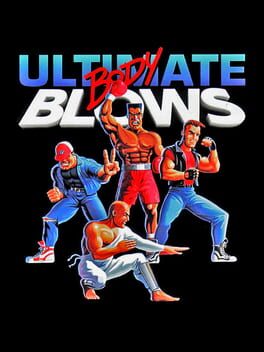
A compilation of the original fighting game "Body Blows" and its sequel, available only for Amiga, "Body Blows Galactic". The game combines everything from its predecessors and adds more colors, improved graphics and music, more backgrounds and endings, giving the player a total of 22 characters (including the invincible Max and his true self, the Terminator T17) and many fixes.

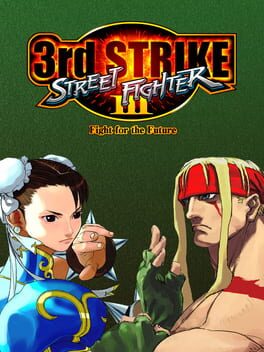
Street Fighter III: 3rd Strike is the second follow-up to Street Fighter III. The game increased the character roster by adding five new characters and also added further refinements to the previous game's play mechanics and rules. All the returning characters from the previous Street Fighter III games were given new stages, endings, and voice actors for certain characters, continuing the overall storyline from where the first two games left off.

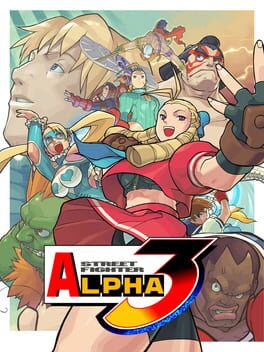
Street Fighter Alpha 3 is the third game in the Street Fighter Alpha series. It features a complete gameplay overhaul with the addition of three selectable fighting styles, new stages, over seven new and returning characters and an exclusive soundtrack. The game's illustrations, select screens, soundtrack and sound effects all have a similar style to the Final Fight series, unlike the previous games.

Fighting / Sport / Arcade / Action / Horror
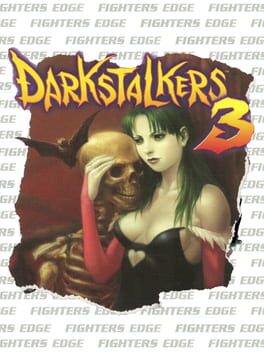
Darkstalkers 3 is the second sequel in the Darkstalkers series of fighting games by Capcom, originally released for the arcades in 1997. The game was originally planned to be released as Darkstalkers: Jedah's Damnation in the United States, but this title was only used in the arcade version. New characters added in this version are Donovan, Huitzil (Phobos in Japan), and Pyron, with hidden characters of Dark Talbain and Oboro Bishamon .

Mortal Kombat 3 brings new elements to the 2D fighting series: multi-level playfields, "Dial-A-Combo" attacks, a "Run" button to speed up the battles, and "Vs." codes, which unlock new powers and abilities once both players enter a code sequence in pre-match-up screens. Also included are more stage fatalities and finishing moves as each warrior attempts to go one-on-one with the Centaurian enforcer Motaro, and Shao Kahn himself.

Super Street Fighter II Turbo, released in Japan as Super Street Fighter II X: Grand Master Challenge, is a competitive fighting game released for the arcades by Capcom in 1994. It is the fifth installment in the Street Fighter II sub-series of Street Fighter games, following Super Street Fighter II: The New Challengers. Like its predecessor, it ran on the CP System II hardware. Super Turbo introduced several new gameplay mechanics not present in previous versions of Street Fighter II, including the addition of Super Combos and air combos. It also introduced the secret character Akuma, who would go on to become a recurring character in later Street Fighter installments and other Capcom fighting games. Super Turbo was originally ported to the 3DO Interactive Multiplayer, followed by the PlayStation and Sega Saturn (under the title of Super Street Fighter II Turbo: The Ultimate Championship) as part of the Street Fighter Collection, and for the Dreamcast in Japan under the title of Super Street Fighter II X for Matching Service. A remake of the game was released for the PlayStation 3 and Xbox 360 titled Super Street Fighter II Turbo HD Remix.

Fighting / Arcade / Action / Fantasy
Mortal Kombat Trilogy features the same gameplay and story as Mortal Kombat 3, but adds characters and stages from the other three arcade games, including Ultimate Mortal Kombat 3. Some completely new characters were also introduced. New additions to the game included the "Aggressor" bar, a meter that fills during the course of the match and temporarily makes a player character faster and stronger. It also features the Brutality, a long combination of attacks that ends with the opponent exploding.

Mortal Kombat is a side-scrolling fighting game. Fighting is set as one-on-one combat, allowing each player to perform a variety of punches, kicks, and special moves in order to defeat their opponent. When the opponent faces their second round loss, the winner can perform a finishing move called a "Fatality" on the loser. The Fatality is a move unique to each fighter that graphically kills the loser in a blood-soaked finale.