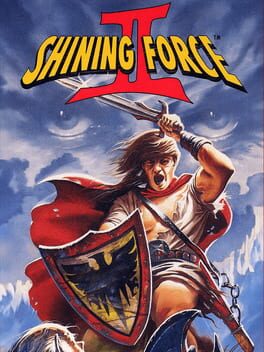
Developed by Beam Software for Data East.
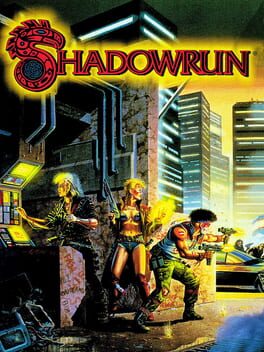
Shadowrun, based on the pen-and-paper RPG of the same name, is a futuristic sci-fi/fantasy game, taking inspiration from Neuromancer, Blade Runner, and other cyberpunk stories.

Role-playing (RPG) / Hack and slash/Beat 'em up / Adventure / Action / Fantasy
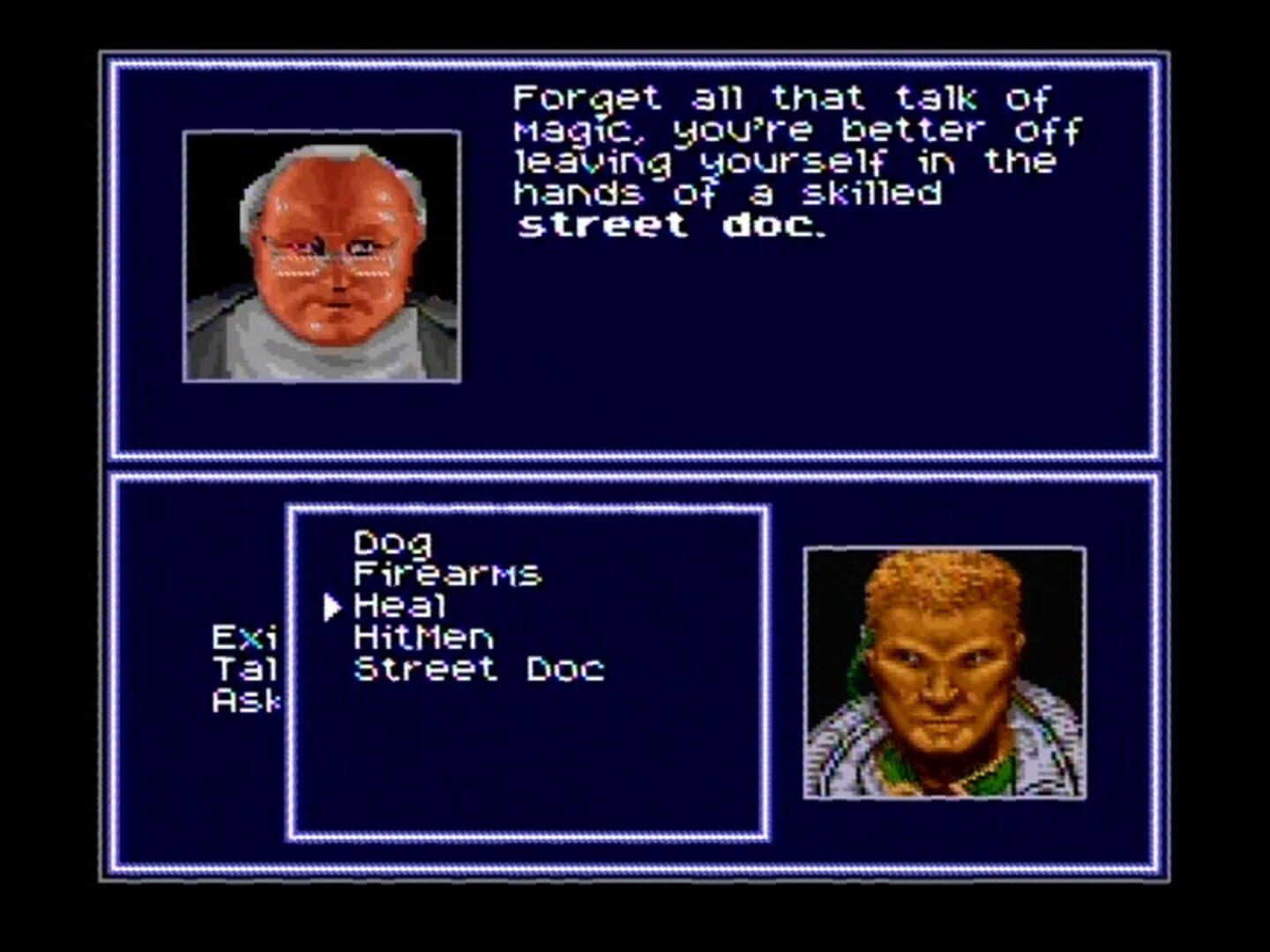
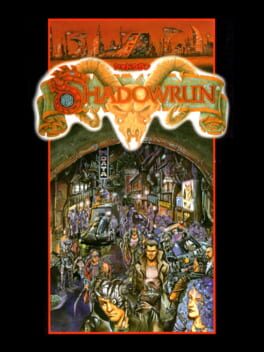
Shadowrun is an action role-playing game.It was adapted from the cyberpunk role-playing game Shadowrun.The game is the second video game adapted from Shadowrun, and has a more open ended style of gameplay than its 1993 Super NES counterpart, Shadowrun by Beam Software. The game is set in the Shadowrun universe, in the 2050s. A time where the blending of technology and human flesh is common; it is around the time the Matrix, a huge computer network, came online, with the ability to jack into its cyberspace directly. It was also a time of magic renewal: a phenomenon known as The Awakening occurred, where magic returned into the world. Sorcery was once again possible, and slowly and seemingly at random humans began to mutate into orcs, dwarves, elves or trolls. This time of upheaval was not without political conflicts: mega-corporations began to control the world. But with their magic, native shamans threatened them and the world geography came to a complete change. The Amerindians and Elves reclaimed an area called Salish-Shidhe, close to the free city of Seattle, a major city in the newly formed United Canadian and American States.
Role-playing (RPG) / Adventure / Card & Board Game / Fantasy / Science fiction
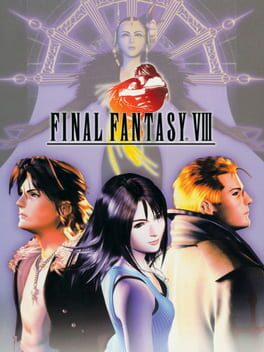
Final Fantasy VIII is the eighth main installment in the Final Fantasy series. The gameplay makes a departure from many series standards. While it still uses the Active Time Battle system, it deviates from the series' traditional means of boosting a character's power via leveling, although levels are not completely abandoned as they were in Final Fantasy II. In addition, it does not have a Magic Point-based system for spell-casting. Instead, magic is collected, drawn, and created from items, and is used to power up the characters via the junction system.

Role-playing (RPG) / Adventure / Fantasy
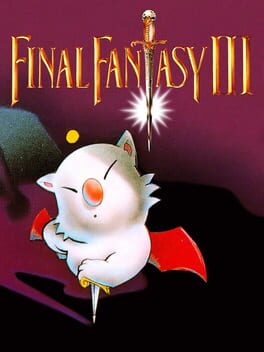
Final Fantasy VI is the sixth main installment in the Final Fantasy series, developed and published by Square. It was the final title in the series to feature two-dimensional graphics, and the first story that did not revolve around crystals. The game gives players up to fourteen playable characters, the largest cast in the series, and features the Active Time Battle pseudo-turn based menu command system. A party can consist of up to four characters, though some events require the player to assemble three different parties of up to four and switch between them. Each character has a unique command ability, such as Terra's Trance, Locke's Steal, Edgar's Tools or Sabin's Blitz, and can also learn Magic spells from earning AP from battles with magicite equipped. Each character's rare Desperation Attack will randomly activate after using the Attack command when at critical health.

Role-playing (RPG) / Adventure / Fantasy / Drama
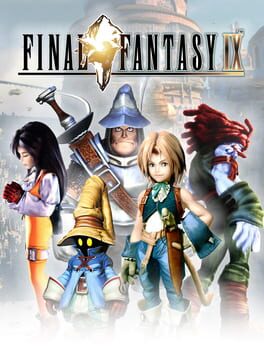
Final Fantasy IX is the ninth main installment in the FF series. The title is a return to the series's roots, with gameplay features and references to the past games featuring throughout, as well as a medieval fantasy setting and cartoonish art style as a break from the sci-fi slant style of Final Fantasy VII and Final Fantasy VIII.

Role-playing (RPG) / Strategy / Turn-based strategy (TBS) / Fantasy
As a student of Astral the wizard, you and your friends study all the usual subjects: reading, writing, and sword fighting. As your time at school draws to an end, dark events are taking place on the island of Grans. The two Jewels which seal the Door to Darkness have been stolen, allowing a creature of awesome power to be unleashed. Finding where the Jewels were taken, and why, is a task only the bravest of adventurers can undertake.

Role-playing (RPG) / Sport / Fantasy / Historical
Dragon Quest VI did not receive an enhanced remake on a console until the Nintendo DS. The Dragon Quest VI enhanced remake for the Nintendo DS was announced in late 2007 by Square Enix and was developed by ArtePiazza. A handful of changes were made to the game, some remaining controversial among fans.

Role-playing (RPG) / Fantasy / Horror
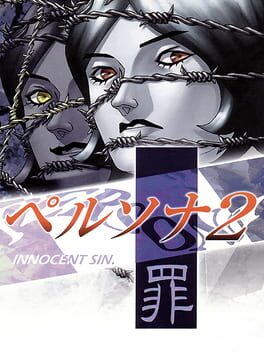
Persona 2: Innocent Sin is a Japanese role-playing video game developed and released by Atlus It is the second entry in the Persona series and acts as a sequel to the original Persona. The original version was not localized for western territories, but the PSP version was released in North America and Europe under the title Shin Megami Tensei: Persona 2: Innocent Sin. Innocent Sin takes place in the fictional Sumaru City, focusing on a group of high school students from Seven Sisters High School. The main protagonist, Tatsuya Suou, and a group of friends must confront a villainous figure called the Joker, who is causing the spread of reality-warping rumors through the city. The group are aided in their quest by their Personas, personified aspects of their personalities. The gameplay features turn-based battle gameplay, where characters use their Personas in battle against demons, and a separate Rumor system, where rumors spread around the city can influence events in the characters' favor.

Role-playing (RPG) / Adventure / Fantasy / Sandbox
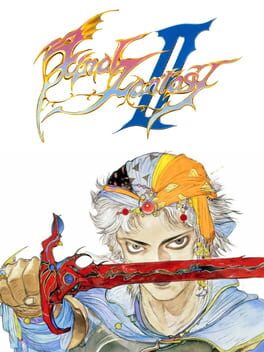
Final Fantasy II is the second installment in the Final Fantasy series, developed and published by Squaresoft. It was directed by Hironobu Sakaguchi, with Yoshitaka Amano designing the characters and Nobuo Uematsu composing the score. It was notable for being one of the first story-intensive RPGs released for console systems, and introducing many series staples, including chocobos and a character named Cid. Its story is unrelated to the original FINAL FANTASY, and its gameplay is a major departure from the previous title for eliminating the traditional experience-based progression system.