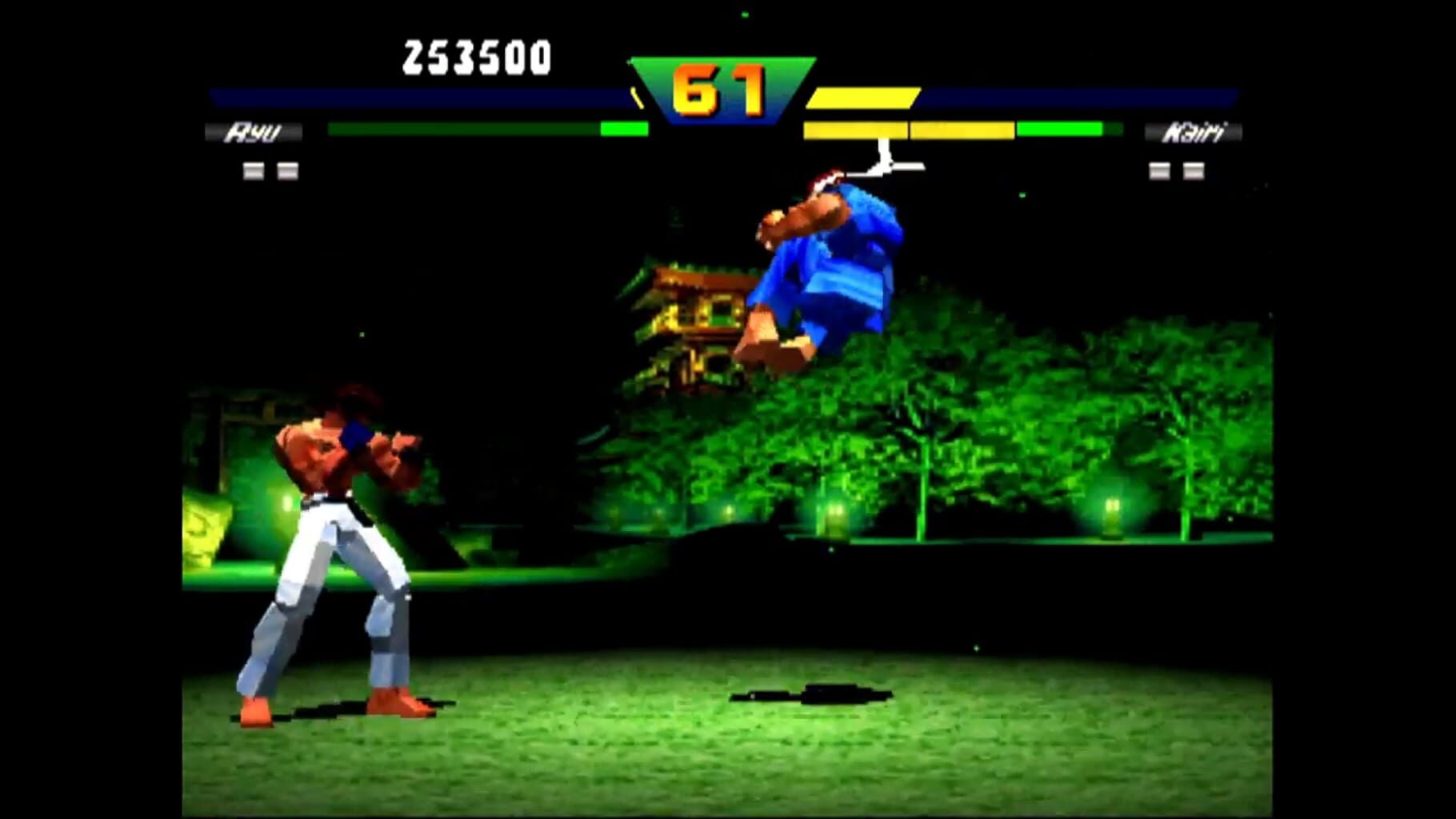
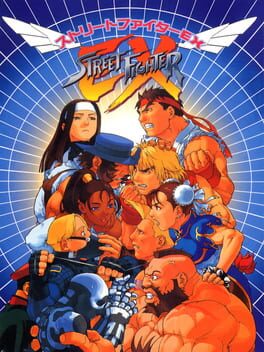
A few months after the original version of Street Fighter EX was released, an upgraded version titled Street Fighter EX Plus was released in arcades on March 31, 1997. Street Fighter EX Plus has all the hidden time-released characters are available by default. This version also adds four new hidden characters, Evil Ryu from Street Fighter Alpha 2, an alternate version of Hokuto named "Bloody Hokuto" and two cyborgs named Cycloid β and Cycloid γ.

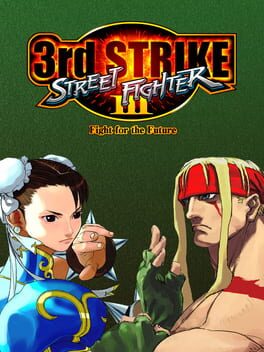
Street Fighter III: 3rd Strike is the second follow-up to Street Fighter III. The game increased the character roster by adding five new characters and also added further refinements to the previous game's play mechanics and rules. All the returning characters from the previous Street Fighter III games were given new stages, endings, and voice actors for certain characters, continuing the overall storyline from where the first two games left off.

Fighting / Adventure / Arcade / Action
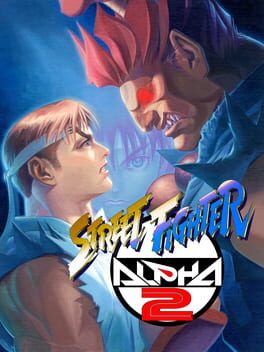
Street Fighter Alpha 2 is both a sequel and a remake to the previous year's Street Fighter Alpha: Warriors' Dreams. The game features a number of improvements over the original, such as new attacks, stages, endings, and gameplay features. New characters in this version include Gen, Rolento and Sakura. Dhalsim and Zangief also return to the fight with some new moves.

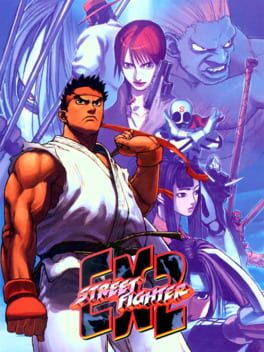
The original version of Street Fighter EX2 retains all the features from the previous game, Street Fighter EX Plus, including original features such as "Guard Breaks" (unique moves which cannot be blocked by an opponent) and "Super Canceling" (the ability to cancel a Super Combo into another Super Combo). The primary new feature in the game are "Excel Combos", ("excel" being abbreviation for "extra cancel"). Much like the "Custom Combos" featured in the Street Fighter Alpha series, Excel Combos allows player to connect a series of basic and special moves for a limited time. During an Excel Combo, the player begins with a basic move and can follow up with a different basic move or follow-up a basic move with a special move, which can be followed by a different special move. However, the player cannot connect any move with the same move, nor can they cancel special moves into basic moves during an Excel Combo.

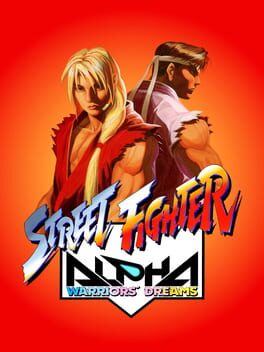
Street Fighter Alpha: Warriors' Dreams was the first all new Street Fighter game produced by Capcom since the release of Street Fighter II. It introduces several new features, expanding on the Super Combo system previously featured in Super Street Fighter II Turbo with graphics drawn in the same animated style Capcom employed in Darkstalkers. Street Fighter Alpha revamps the Super Combo system introduced in Super Street Fighter II Turbo by adding a three-level Super Combo gauge that fills in as the player performs regular and special moves.

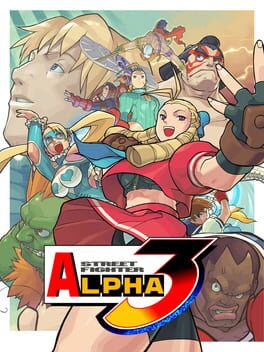
Street Fighter Alpha 3 is the third game in the Street Fighter Alpha series. It features a complete gameplay overhaul with the addition of three selectable fighting styles, new stages, over seven new and returning characters and an exclusive soundtrack. The game's illustrations, select screens, soundtrack and sound effects all have a similar style to the Final Fight series, unlike the previous games.

The Street Fighter EX fighting system uses fighting systems of the Street Fighter II and Street Fighter Alpha series. In many ways, EX still plays like a 2D fighting game, but the linear plane in which characters fight often changes along a 3D battleground. The game uses special moves and super combos familiar or similar to previous games in the series. Like in Alpha and Darkstalkers, the super combo gauge, used to do Super Combos and other moves, was divided into three levels. The game introduces various new features to enhance the player's combat choices. It was followed by an updated arcade version titled Street Fighter EX Plus, as well as a PlayStation-exclusive home console version titled Street Fighter EX Plus α, both released in 1997.

Street Fighter EX plus Alpha is the Playstation-exclusive home console port of the arcade game Street Fighter EX Plus, itself an updated version of Street Fighter EX. This version includes two new characters (Dhalsim and Sakura), additional game modes, as well as an arranged soundtrack and CG endings.

The second installment in the AoF series added the "rage gauge"; similar to the "spirit system" of its predecessor, it limited the use and effectiveness of special attacks. The game's story is set a year after the original. Geese Howard, a rising star in South Town's criminal underworld, calls fighters to the city for a new tournament, "The King of Fighters." Howard was the final boss and series villain of SNK's other fighting game franchise Fatal Fury (though he is a secret boss in this game), whose story took place over a decade after the events of Art of Fighting. Art of Fighting 2 was the only time Yuri Sakazaki was a playable character in the series. It also marked the only time that she donned her trademark outfit, which was made famous in The King of Fighters series. This game also marks the debut of Takuma Sakazaki without his Mr. Karate persona, as well as Eiji Kisaragi, who both appear in the King of Fighters series. Ryuhaku Todo, the first boss in the original AOF, is the only character dropped; all characters are playable from the beginning. The final boss is always Mr. Big, though as mentioned earlier, an extra match will be played against Geese Howard if the player unlocks him through good performance. This game is also notorious for its difficulty, with it being referred in many fighting circles as having some of the toughest opponent AI in a fighting game.