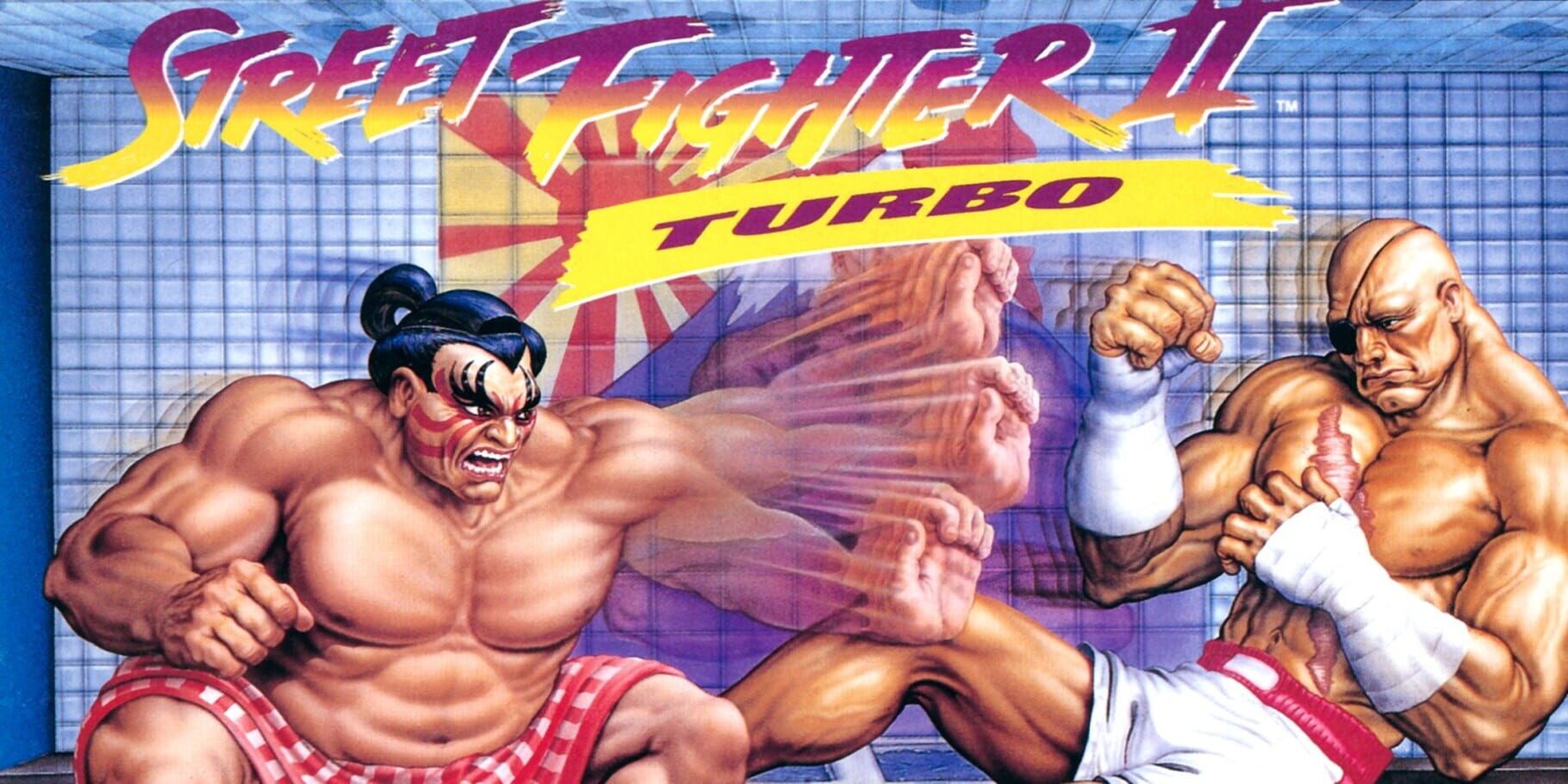
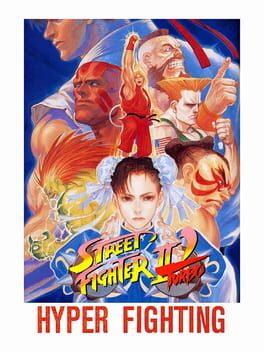

Street Fighter II Turbo: Hyper Fighting is a competitive fighting game released for the arcade by Capcom in 1992. It is the third game in the Street Fighter II sub-series of Street Fighter games following Street Fighter II: Champion Edition. Released less than a year after the previous installment, Hyper Fighting introduced a faster playing speed and new special moves for certain characters, as well as further refinement to the character balance. Hyper Fighting is the final arcade game in the Street Fighter II series to use the original CP System hardware. It was distributed as an upgrade kit designed to be installed into Champion Edition printed circuit boards. The next game in the series, Super Street Fighter II, uses the CP System's successor, the CP System II.
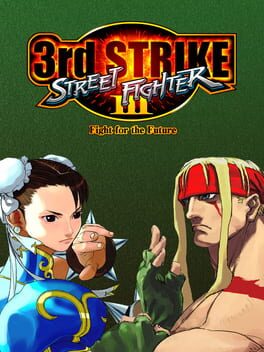
Street Fighter III: 3rd Strike is the second follow-up to Street Fighter III. The game increased the character roster by adding five new characters and also added further refinements to the previous game's play mechanics and rules. All the returning characters from the previous Street Fighter III games were given new stages, endings, and voice actors for certain characters, continuing the overall storyline from where the first two games left off.

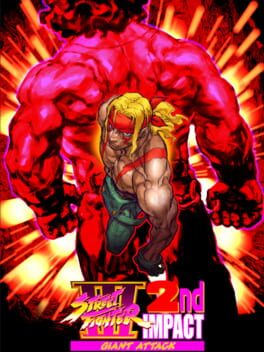
2nd Impact brought back all the characters from the first game and introduced two new ones: Hugo and Urien. Yang, who was an alternate version of Yun in the first game, became his own character with his own set of special moves and super arts. Akuma also returned as a secret computer-controlled challenger and selectable character. Thus the playable character roster increased to 14. In addition to the regular Akuma, a non-playable computer-controlled version named "Shin Akuma" also appears in the single-player mode.

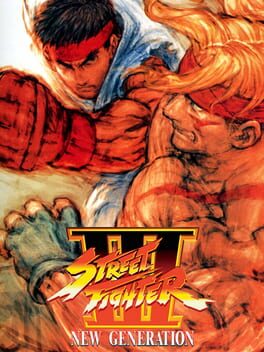
Street Fighter III: New Generation is a fighting game in Capcom's Street Fighter series, originally released as coin-operated arcade game in 1997. Street Fighter III was produced for the CD-ROM-based CP System III hardware, which allowed for more elaborate 2D graphics than the CPS II-based Street Fighter Alpha games (the previous incarnation of the Street Fighter series), while revamping many of the play mechanics. The game, which was designed as a direct sequel to Street Fighter II, initially discarded every previous character except for Ryu and Ken (hence the "New Generation" subtitle), introducing an all-new roster led by Alex.

Fighting / Hack and slash/Beat 'em up / Arcade / Action / Fantasy
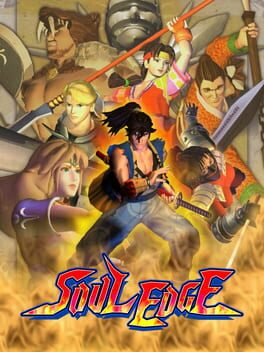
Soul Edge is a 3D arcade fighting game and the first in the Soul series, it is one of the first 3D fighting game in history that place a particular emphasis on the story of the fighters. Each character have their own weapon, allowing for a wide range of play styles. The slower, longer ranged characters try to deliver their heavy blows from a distance whereas the quicker, faster characters try to get in as close as possible and deliver quick-hitting attacks.

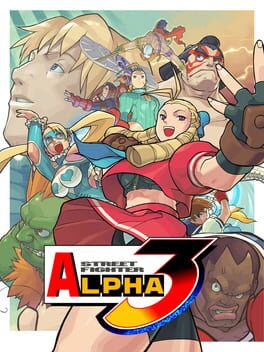
Street Fighter Alpha 3 is the third game in the Street Fighter Alpha series. It features a complete gameplay overhaul with the addition of three selectable fighting styles, new stages, over seven new and returning characters and an exclusive soundtrack. The game's illustrations, select screens, soundtrack and sound effects all have a similar style to the Final Fight series, unlike the previous games.

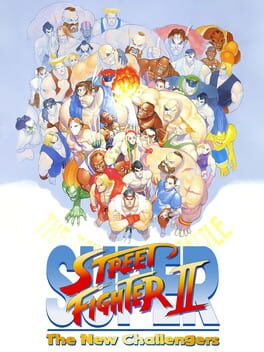
Super Street Fighter II: The New Challengers is a 2D fighting game that expands the original Street Fighter II roster with four new characters: Cammy, Dee Jay, T. Hawk, and Fei Long. Players choose from 16 fighters, each with unique moves, to compete in one-on-one matches. The game introduces updated graphics, rebalanced gameplay, and new special moves, continuing the World Warrior Tournament storyline.

Fighting / Adventure / Arcade / Action
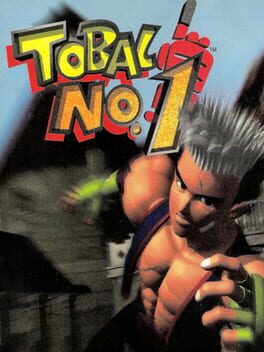
Fighting game with a unique quest mode, from Square. The publisher enlisted the help of Seiichi Ishii, who had previously worked on both Tekken and Virtua Fighter. On these strengths, Square helped Ishii start his own development company, Dream Factory, and Tobal No.1 is the first game from the developer. The game offers some 3D movement for more behind-the-back attacks that fighting games released around the same time. Tobal also introduced an interesting grapple move, which allows you to grab your opponent and, depending on your button execution, throw them in a myriad of ways. The game features Gouraud-shaded players displayed in hi-res mode (640x480) and shipped with an included Final Fantasy VII demo.

Fighting / Adventure / Arcade / Action
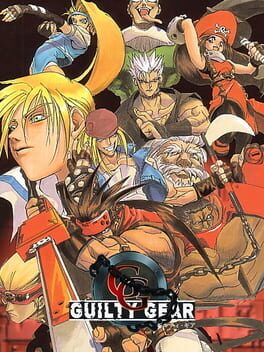
Guilty Gear is a 2D fighting game, in which you can play as one of 10 very different kind of characters. There is a selection of fighters from Holy Order knights, Armed Air Force soldiers, Mafia members and mad scientists. Each character has his/her own storyline that will be fully revealed during the final showdown. In battles, you can charge up for special attacks, as well as perform Deathblow moves, which would kill the opponent instantly. You can either choose to finish the Arcade mode, challenge your friends to a Versus battle, or either train your skills out in the Training mode.