
Developed by Pro House for Success.
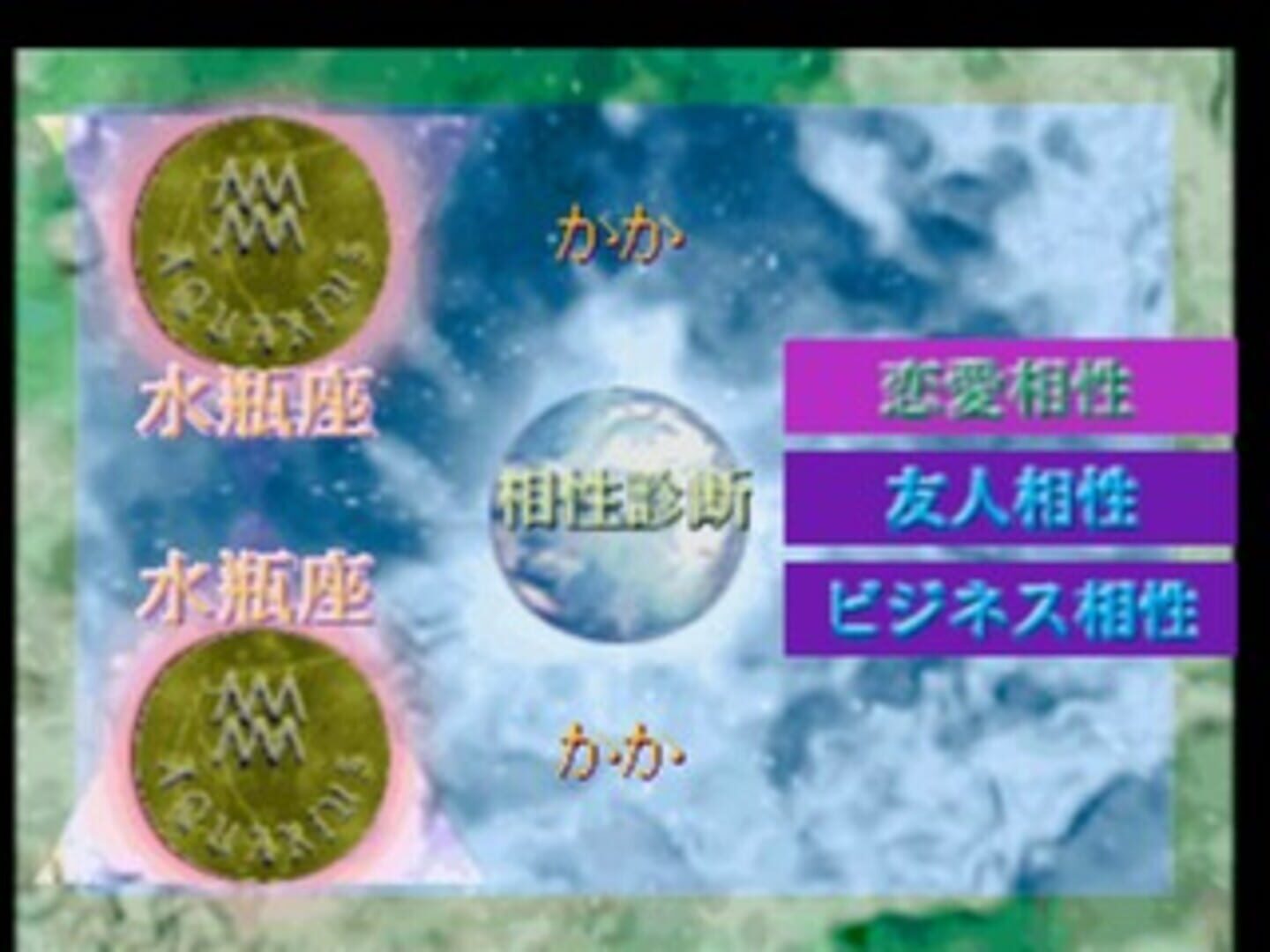
Kaiteiban Mark Yagazaki no Seiyou Senseijutsu is a Miscellaneous game, developed and published by Success, which was released in Japan in 2001. It is a chinese zodiac simulation in which the player can put the birth date to know what the future will brings to him.
The ShengxiΓ o, also known in English as the Chinese zodiac ("zodiac" derives from the similar concept in Western Astrology and means "circle of animals"), is a scheme and systematic plan of future action, that relates each year to an animal and its reputed attributes, according to a 12-year cycle. It remains popular in several East Asian countries, such as China, Vietnam, Korea and Japan. Identifying this scheme using the term "zodiac" reflects several similarities to the Western zodiac: both have time cycles divided into 12 parts, each labels at least the majority of those parts with names of animals, and each is widely associated with a culture of attributing influence of a person's relationship to the cycle upon their personality and/or events in their life. Nevertheless, there are major differences: the "Chinese" 12-part cycle corresponds to years rather than months. The Chinese zodiac is represented by 12 animals, whereas some of the signs in the Western zodiac are not animals, despite the implication of the Greek etymology of "zodiac". The animals of the Chinese zodiac are not associated with constellations, let alone those spanned by the ecliptic pla
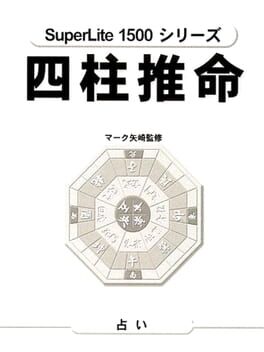
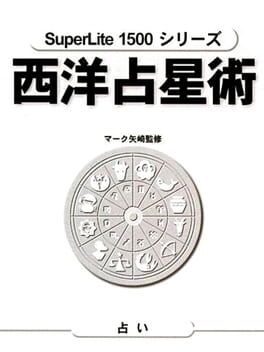
Shi-Hashira Suimyou is a Miscellaneous game, developed and published by Success, which was released in Japan in 1999.

Seiyou Senseijyutsu is a Miscellaneous game, developed and published by Success, which was released in Japan in 1999.

SuperLite 1500 Series - Kaiteiban Shichuu Suimei - Mark Yazaki Kanshuu is a chinese zodiac simulation in which the player can put the birth date to know what the future will brings to him.

Puzzle / Arcade / Fantasy / Comedy
Satan has enlarged the sun in a devious attempt to get a perfect tan. Arle Nadja embarks on a quest to defeat him in this competitive puzzle game. This is the 3rd installment of the Puyo Puyo games series, and the sequel to Puyo Puyo Tsu. After the highly acclaimed success of its predecessor, Compile took a slightly more retro approach, so players had a more original feel to the game over that of Tsu. The name of Puyo Puyo SUN comes from a Japanese pun on san, and also indicates a new Puyo brought into the game. As Sun Puyo were used in this game, and the game itself is not only set on a tropical beach, but is the third in the series (san (δΈ‰)) is the Japanese word for the number three), the name served multiple purposes. This game was released only in Japan. Following the arcade release, Puyo Puyo Sun was ported to the then-current home consoles. The Saturn version was released merely three months after the arcade release, while the other ports were released in late 1997 and throughout 1998. The Saturn, PlayStation, and Windows 95 versions feature fully voiced cutscenes unlike the original ST-V version.

This is the 7th game in the main Puyo Puyo series, which is denoted by the 7. A break from the previous Fever series games, the game is set in a world similar to the real world instead of Primp Town. In this game, a new game mode known as Transformation was added as the default mode. Five new characters were introduced, and a few characters from past games in the series were reintroduced, either as playable characters or cameos.

Puzzle / Arcade / Action / Fantasy
Kururin Paradise revolves around avoiding collisions as the player maneuver a robot through levels. The robot is shaped like a stick, and constantly spins. The second in the Kururin franchise, Paradise involves navigating complex levels with a constantly-rotating robot. Spring objects within levels change the direction of rotation when collided with, and an unlockable ability allows for increasing the speed of rotation. The player has three hit points. After three collisions with objects in the level (discounting the aforementioned springs), the level is re-started. Some levels have intermediate points that replenish health fully. However, they do not save progress. If the player loses all of his or her hit points, they still restart the level from the beginning. Almost all of the game is in Japanese.

Puzzle / Role-playing (RPG) / Fantasy
An enhanced port of Final Fantasy Fables: Chocobo's Dungeon to the Nintendo DS. The game includes a new storyline revolving around the character Cid and introduces one new job.

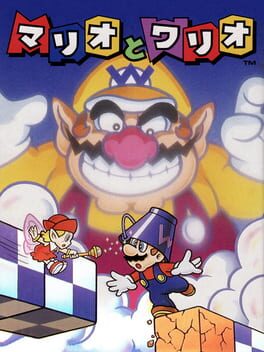
Mario & Wario is a puzzle game that is compatible with the SNES Mouse. The player chooses Princess Peach, Mario or Yoshi, and Wario proceeds to drop a bucket on their head (the object changes in later levels). The player controls Wanda the fairy to guide the now-blinded character through an obstacle course, to reach Luigi waiting at the end.