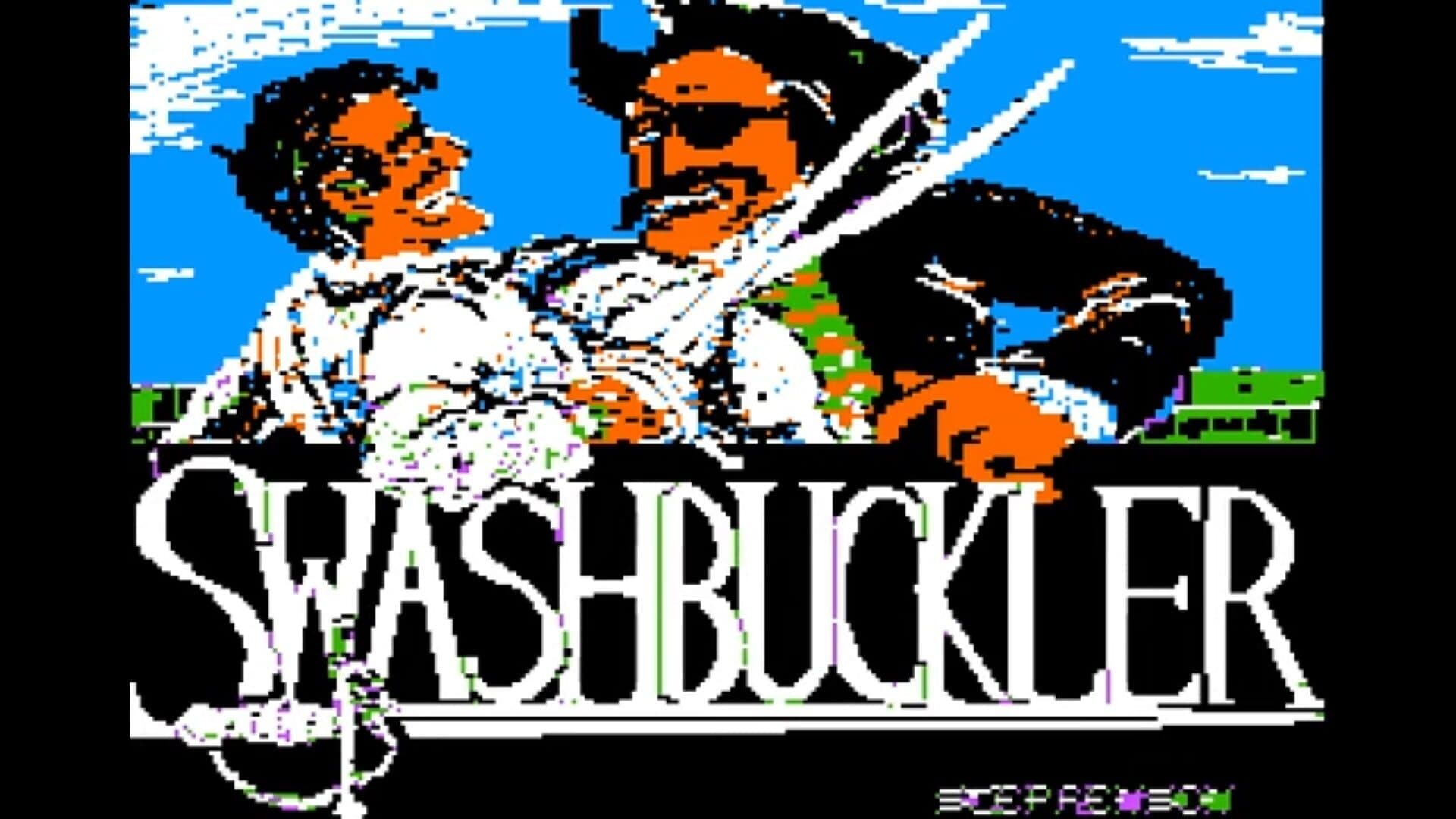

Swashbuckler is an early fighting game for the Apple II family of computers, created by Paul Stephenson and published by Datamost in 1982. The player controls a sword-wielding swashbuckler who must fight and dispatch various attackers. Combat occurs in a wooden-beamed ship's hold littered with skeletons and cobwebs, which the player views from the side.

Fighting / Arcade / Action / Fantasy
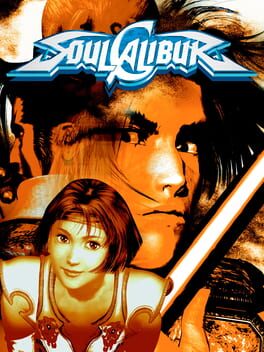
SoulCalibur is a weapon-based 3D fighting game developed by Project Soul and produced by Namco. It is the second game in the Soul series, preceded by Soul Edge (1996). Originally released in arcades in 1998, it ran on the Namco System 12 hardware. In 1999 it was ported to the Dreamcast with improved graphics and new features. The North American version was released in September 1999 as a launch title for the Dreamcast and was part of the successful launch of the new console. It became available as a downloadable title on Xbox 360's Xbox Live Marketplace in 2008. The title brought many innovations to the fighting game genre that include a heavy emphasis on weapons and a unique eight-way movement system. Soulcalibur is widely regarded as one of the best Dreamcast titles and is one of the most critically acclaimed fighting games of all time.

Fighting / Hack and slash/Beat 'em up / Arcade / Action / Fantasy
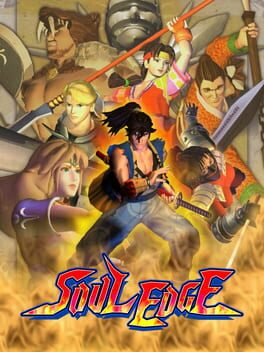
Soul Edge is a 3D arcade fighting game and the first in the Soul series, it is one of the first 3D fighting game in history that place a particular emphasis on the story of the fighters. Each character have their own weapon, allowing for a wide range of play styles. The slower, longer ranged characters try to deliver their heavy blows from a distance whereas the quicker, faster characters try to get in as close as possible and deliver quick-hitting attacks.

Fighting / Hack and slash/Beat 'em up / Arcade / Action / Comedy
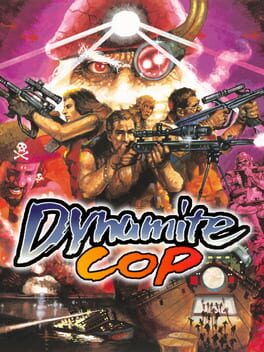
A beat 'em up video game published by Sega and initially released in arcades on Sega Model 2 hardware. It is the sequel to the 1996 game, Dynamite Deka which was released outside Japan as Die Hard Arcade. The game was ported to the Dreamcast and released internationally in 1999, this time without the Die Hard license. A third sequel, Asian Dynamite, was released only in arcades.

Fighting / Role-playing (RPG) / Adventure / Action / Fantasy
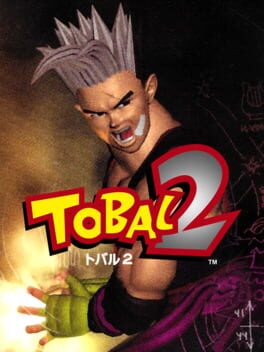
The fighting system in Tobal 2 is the same as in the previous game. The player can freely navigate 3D fighting arenas under the condition that he or she faces the opponent. High, medium, and low attacks can be executed using assigned buttons. As in Tobal No. 1, the grappling and blocking system offers the player a variety of offensive and defensive maneuvers. A new unblockable fireball attack has been added for each character. Tobal 2 was released on the same day as Sony's Dual Analog Controller in Japan, noted as the first game compatible with the peripheral. Graphically, the game features Gouraud shaded and higher-resolution character models compared to Tobal No. 1, but still runs at 60 frames per second.

Fighting / Arcade / Action / Science fiction
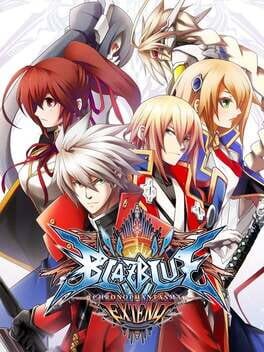
BlazBlue: Chrono Phantasma Extend (formerly dubbed as BlazBlue: Chrono Phantasma 2.0 in Arcade version) is a 2D fighting game and the enhanced version of BlazBlue: Chrono Phantasma. Chrono Phantasma Extend adds two additional characters: Lambda-11 and Celica A. Mercury. The console release introduced extra story modes, such as the beach scenario from the Playstation Vita version of Chrono Phantasma, a new story based on the BlazBlue: Remix Heart manga, and additional scenarios for certain characters such as Kokonoe, Kagura, and Bullet. For the localized version of Extend, Library Mode reintroduced from the Japanese release. The Playstation Vita version of Chrono Phantasma Extend also adds dual audio to the Story Mode, which was not present in the original Vita release.

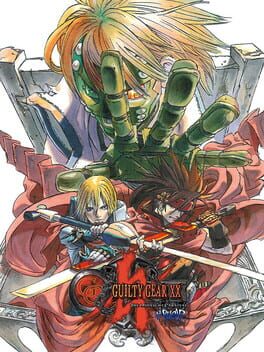
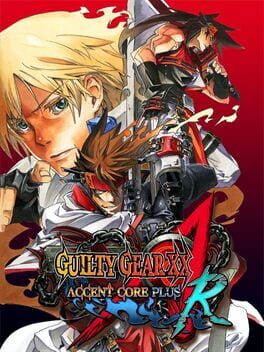
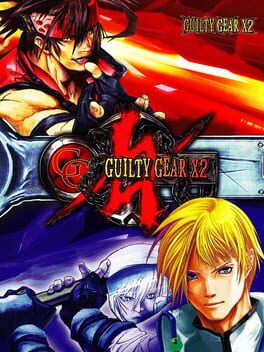
Guilty Gear X2, also known as Guilty Gear XX and subtitled The Midnight Carnival in Japan, is a fighting game developed by Arc System Works and published by Sammy Studios. The third installment of the Guilty Gear series, Guilty Gear X2 furthered the plot of the series, as well as introduced new characters and gameplay mechanics. A sequel to Guilty Gear X, it was first announced in January 2002, and was released on May 23, 2002, for the arcades, in Japan. It was later ported to the PlayStation 2 and published in North America and Europe.