PC (Microsoft Windows) / PlayStation 2 / PlayStation Portable
Developed by Koei.
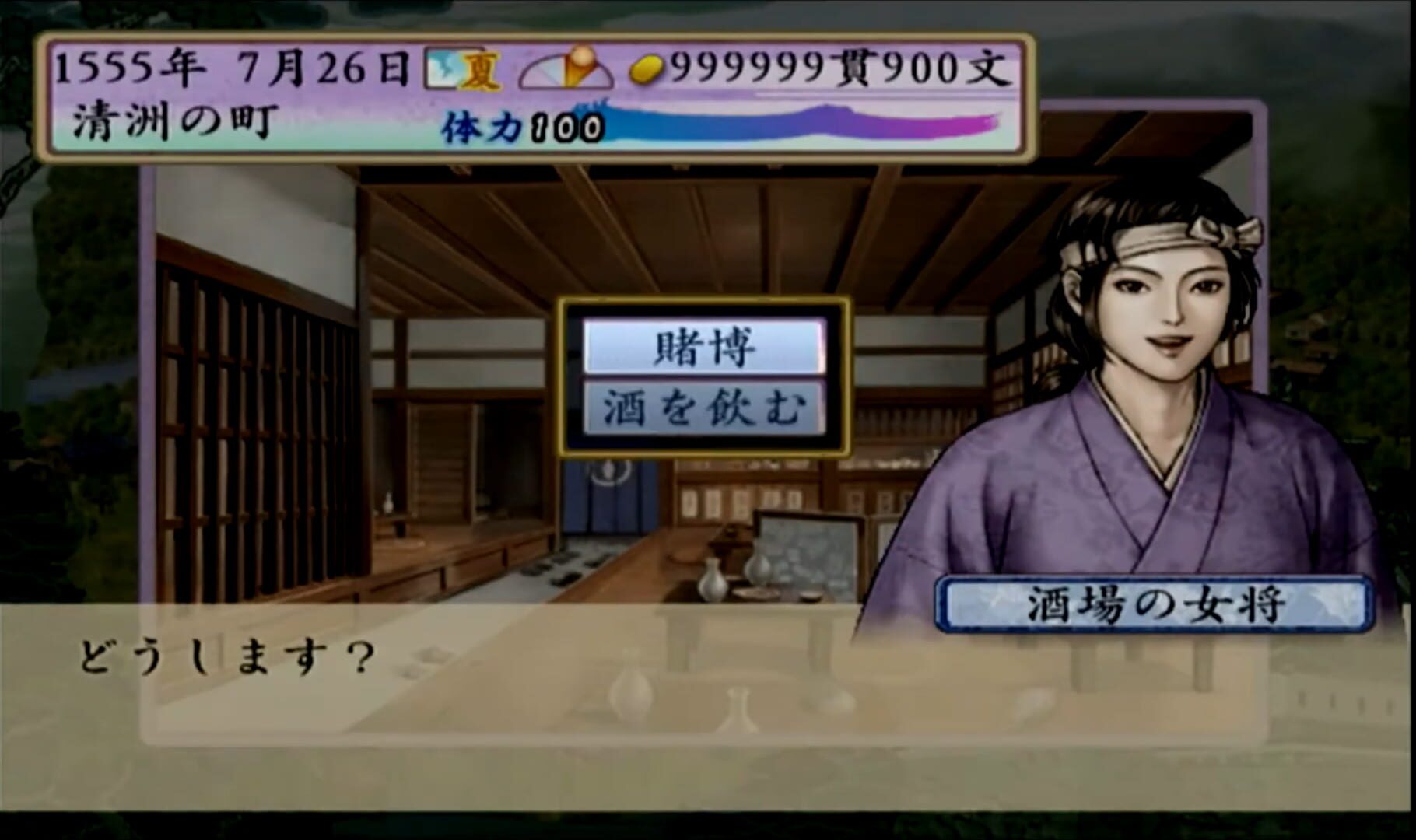
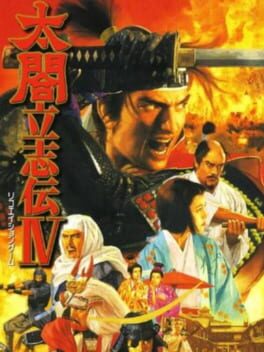
Taikou Risshiden IV is a Strategy game, developed by Koei/Inis and published by Koei, which was released in Japan in 2001.

Role-playing (RPG) / Strategy / Turn-based strategy (TBS) / Action / Fantasy
Bahamut Lagoon combines RPG mechanics with squad-based combat. Characters have HP, MP (SP for fighter characters), EXP, equipment, stats and class-specific, SP-draining special elemental abilities very much like traditional console RPGs. The player can explore his surroundings, talk to people and visit shops when not in battle, though to a limited degree as there is no world map and no way to leave the current area. The game's core is its turn-based battles fought on a 2d grid. Characters are assembled into parties of four and the player allowed a maximum of six parties, which are usually well outnumbered. The two opposing sides act in alternating turns so that each party can move once and/or attack once a turn. Attacks are divided into distant and close-up combat. In the former, a party uses a special ability (e.g. casting fireballs, throwing lightning, healing allies) of one of its members at a distance. The range and possible area of effect damage vary per ability. If the attacking party has two or more characters with the same ability, they join in the action to multiply its effectiveness. Distant combat results in less money and generally less damage, but the target cannot retaliate. Distant attacks can also affect the field; fire and ice ignite or extinguish forests and melt or freeze ice, etc. Close-up, each unit in two adjacent opposing parties can act once. Very much like Final Fantasy SNES combat, they can attack an enemy, use an item or a special ability (though these can't be combined and most only affect one target instead of all) or defend. Dragons are the player's ace in the hole. They have their own stats and gain experience like normal characters do. In battle, each party has a dragon attached to it and draws a large portion of its strength from that of its dragon: if a party's dragon is slain, the party will lose the ability to use special attacks and class-specific abilities for the remainder of the map. The beast acts as a very powerful autonomous unit that moves after its party does and it cannot be controlled beyond very simple commands, e.g. "Come!" Out of battle, dragons will eat anything and raising them by feeding them items is an important part of the game. Feeding can improve their stats as well as affect their behavior on the field, and the dragons develop into new forms as they grow. The player can change the characters in each of the parties, their formation as well as what dragon represents them at will.
Role-playing (RPG) / Strategy / Turn-based strategy (TBS) / Fantasy
In Fire Emblem: The Sacred Stones, you must help protect the nation of Renais from the invading Grado Empire. Plan your strategy, choose your units, and then lead your soldiers in to battle. The more experience your soldiers gain, the more you can upgrade their abilities. This time, your soldiers can gain experience by fighting new monsters in the Tower of Valni.

Role-playing (RPG) / Strategy / Turn-based strategy (TBS) / Fantasy
Fire Emblem: Thracia 776 is a Japanese tactical role-playing game developed by Intelligent Systems and published by Nintendo, and the fifth installment in the Fire Emblem series. It is also the third and final Fire Emblem series title to be released on the Super Famicom. Fire Emblem: Thracia 776 takes place between Chapters 5 and 6 of the previous game, Fire Emblem: Seisen no Keifu. Several characters from Fire Emblem: Seisen no Keifu appear, such as Leaf, Fin, and Nanna. It takes place in the Thracian peninsula in southeastern Jugdral.

Role-playing (RPG) / Strategy / Turn-based strategy (TBS) / Fantasy / Warfare
"Highlights and Key Features: - Over 40 hours of gameplay and multiple endings! - Discover powerful character classes with the new Emblem System! - Cast a wide assortment of magic spells to defeat the enemy! - Go head-to-head against a friend by using the Game Boy® Advance Game Link® cable! - All new Quest Mode enables you to discover hidden items and weapons not available in the main game. - Utilize the Exchange Mode to trade items, spell books and characters with a friend. - Save up to 3 games!"

Role-playing (RPG) / Strategy / Turn-based strategy (TBS) / Fantasy
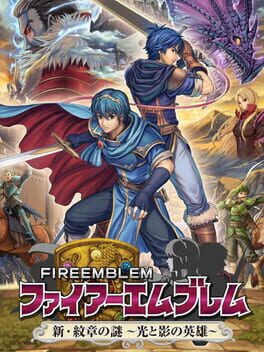
Fire Emblem: New Mystery of the Emblem is a remake of Fire Emblem: Mystery of the Emblem, developed by Intelligent Systems and published by Nintendo. It is the second Fire Emblem remake for the Nintendo DS. It was released on July 15, 2010 in Japan. The game utilizes the Wi-Fi Connection in a similar manner to Shadow Dragon. This is the only Fire Emblem DS game to not be released overseas. The game also contains an exclusive mode which remakes the four chapters of BS Fire Emblem: Archanea Senki Hen, a Satellaview exclusive game, with new new engine and mission-based gameplay (instead of time-based, like the original), but lacking the voice acting that the Satellaview version originally provided.

Role-playing (RPG) / Strategy / Turn-based strategy (TBS) / Fantasy
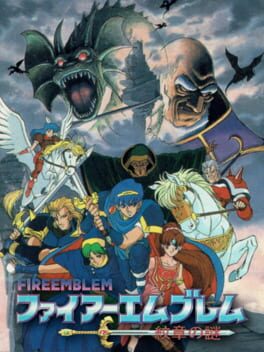
Fire Emblem: Monshou no Nazo (translated as Fire Emblem: Mystery of the Emblem in Fire Emblem: Awakening) is a Japanese tactical role-playing game developed by Intelligent Systems and published by Nintendo. It is the third game in the Fire Emblem series and was released in Japan on January 21, 1994. It was the first Fire Emblem title for the Nintendo Super Famicom and the first twenty-four-megabit cartridge for the system. The game is divided into two distinct parts, or "books". Book One is a remake of the original Fire Emblem: Shadow Dragon and the Blade of Light, and Book Two is a continuation of events, following the same characters.

Role-playing (RPG) / Strategy / Turn-based strategy (TBS) / Action / Fantasy
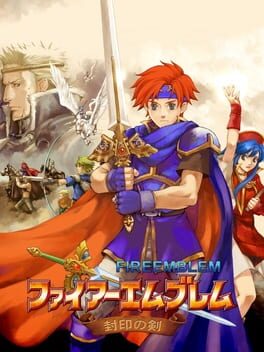
Fire Emblem: The Binding Blade is a Japanese tactical role-playing game developed by Intelligent Systems and published by Nintendo. The game was released on March 29, 2002 in Japan, is the sixth game in the Fire Emblem series, and the first of three games in the series that have appeared on Nintendo's Game Boy Advance handheld. It was the last Fire Emblem game to be released exclusively in Japan until the release of Fire Emblem: New Mystery of the Emblem. The Binding Blade was followed by a prequel, Fire Emblem: The Blazing Blade, set twenty years earlier.

Fighting / Shooter / Role-playing (RPG) / Action
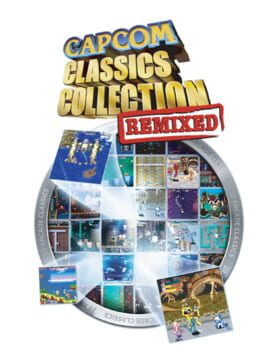
Capcom serves up a collection of classic games in Capcom Classics Collection. You can relive more than 20 classic titles including 1942, Final Fight, Ghosts 'n Goblins, and Commando. The games can be played in either one- or two-player mode. Capcom Classics Collection also includes bonus material, such as remixed soundtracks, game tips, and original artwork.