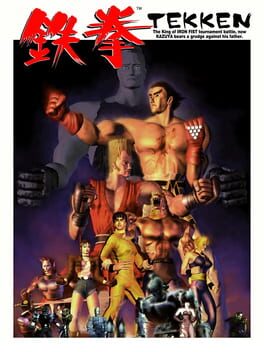

Tekken is a fighting game and the first entry in what would become the Tekken series and franchise. It was one of the earliest 3D-animated fighting games, incorporating many of the concepts from Sega's Virtua Fighter. Unlike traditional fighting games that require inputting commands as rapidly and accurately as possible, Tekken slows the action down by emphasizing rhythm, strategy, and deception over speed.
A worldwide martial arts tournament is nearing its finale, with a large purse of prize money awarded to the fighter who can defeat Heihachi Mishima in the final round of the competition. The giant financial group, the Mishima Zaibatsu, sponsors the contest. Eight fighters remain after winning death matches all over the world, with the winner of the tournament receiving the King of the Iron Fist title. Only one will have the chance to defeat Heihachi and take home the prize money and fame. The player can initially select one of those eight fighters, each with their own reasons for entering the tournament aside from the prize money.
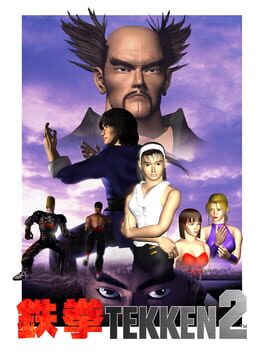
Tekken 2 is the second game in the Tekken series, it made various improvements over its predecessor in terms of graphics and features. All the characters from Tekken returned and eight new characters were added to the character roster along with new moves and combos.

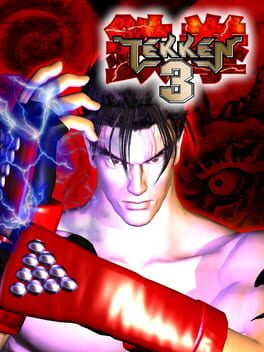
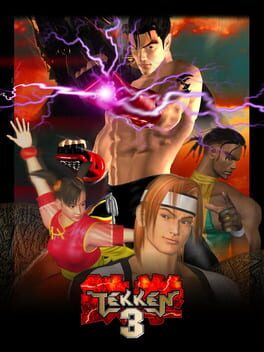
Tekken 3 is the third installment in the Tekken series. It maintains the same core fighting system as its predecessors but brings many improvements, such as significantly more detailed graphics and animations, fifteen new characters added to the game's roster, more modern music and faster gameplay.

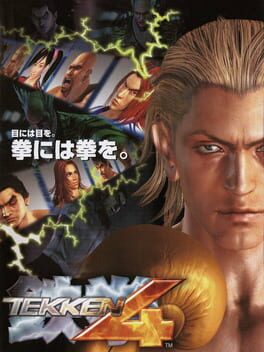
Tekken 4 marks the return of Namco's premier fighting franchise, Tekken. This version features enhanced graphics, gameplay mechanics, and fearsome fighters. Newcomers engage old favorites in interactive, multileveled arenas. The addition of walls, terrain effects, position changes, and enhanced sidestepping will force you to adjust your fighting strategy. Expanded game modes such as Training, Team Battle and the new Tekken Force provide the player with a deeper gameplay experience.

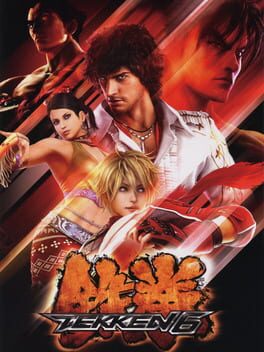
Tekken 6 is a fighting game developed and published by Bandai Namco Games. It is the seventh main installment in the Tekken franchise. It was released in Japanese arcades on November 26, 2007 as the first game running on the PlayStation 3-based System 357 arcade board. The game received an update, subtitled Bloodline Rebellion, a year later.

Fighting / Action / Science fiction
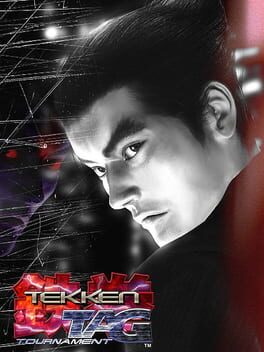
Tekken Tag Tournament is an update of Tekken 3 and is the fourth installment in the popular Tekken fighting game series. It is not canonical to the Tekken storyline however.

Fighting / Hack and slash/Beat 'em up / Arcade / Action
The console version of Tekken 3, which adds more content to the original arcade game, such as new characters and additional game modes. With hidden features, faster gameplay, and new characters, the PlayStation version of Tekken 3 seeks to give you the fight of your life.

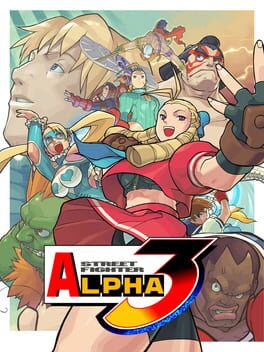
Street Fighter Alpha 3 is the third game in the Street Fighter Alpha series. It features a complete gameplay overhaul with the addition of three selectable fighting styles, new stages, over seven new and returning characters and an exclusive soundtrack. The game's illustrations, select screens, soundtrack and sound effects all have a similar style to the Final Fight series, unlike the previous games.

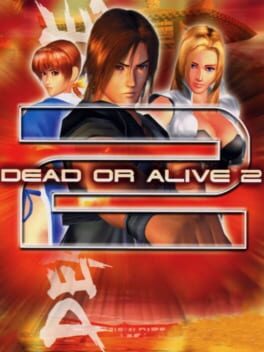
Dead or Alive 2 is a fighting game in the Dead or Alive series. The gameplay of DOA2, and all subsequent Dead or Alive games, borrows heavily from the Virtua Fighter series, but makes some key changes that drastically changes the way Dead or Alive is played in comparison to Virtua Fighter. In DOA2, the basis of the entire fighting system is the circular relationship between three types of moves: blows, throws, and holds.The other defining feature of DOA2, aside from blows/throws/holds, is its stun system. In DOA2 many attacks upon hitting will inflict a stun on the opponent. While stunned, the opponent cannot attack, and cannot guard, but they can hold. If the attacker lands a non-knockdown, non-launching attack while the opponent is stunned, the opponent will be re-stunned in a new way, depending on what attack was landed. A major difference between DOA2 and other fighters was in the safety and non-punishability of attacks, both upon hitting and upon being blocked. Most blows in DOA2 can be punished on hit and block by each character's faster throws, making blow-based offense very risky. In addition to the normal rules of juggling, each character also fits into a specific weight category, which affects how the character responds to being launched and being juggled. In DOA2, fights can occur on either water or ice; when a character is on such a surface, all non-knockdown, non-launching attacks will induce a stun on any successful hit. Walls and falls in the middle of stages are everywhere in the game. Many stages are also multi-tiered: to get to other areas of the stage, one character must be knocked off a ledge and fall into the next area. These falls deal usually fairly high damage, but cannot knock the opponent out. Other notable features included introducing CG cutscenes in line with the plot, replacing the original "Danger Zone" areas in stages with fully interactive ones, allowing players to juggle each other into walls, propelling characters from landmarks for more damage.