Developed by Namco.
Tekken Tag Tournament is an update of Tekken 3 and is the fourth installment in the popular Tekken fighting game series. It is not canonical to the Tekken storyline however.
Tekken Tag Tournament is not a part of the Tekken canonical storyline. This allowed Namco to bring back the characters that did not appear in Tekken 3 (such as Baek Doo San, Bruce Irvin, Jun Kazama, Kunimitsu, and Michelle Chang). The ages of the characters in this game are the same as the ages that they had in the last game that they were in. Because Tekken Tag Tournament is a non-canonical game, it has no story. It is more of a compilation of Tekken, Tekken 2, and Tekken 3, allowing players to use almost every character in the Tekken series. The only characters that did not return from previous games are the first King, Marshall Law, the first Jack robot, the first Kuma, Gon, and Doctor Boskonovitch (although Dr. Boskonovitch does make a cameo appearance in Tekken Bowl). Tekken Tag Tournament also introduced two new characters, Tetsujin and Unknown. Tetsujin is a "pallette swap" for Mokujin. Unknown is the final boss of Tekken Tag Tournament. Both of these new characters are "mimic" characters. Tetsujin never returned to any game in the Tekken series, but Unknown returned - once again, non-canonical - Tekken Tag Tournament 2.
Tekken 3 is the third installment in the Tekken series. It maintains the same core fighting system as its predecessors but brings many improvements, such as significantly more detailed graphics and animations, fifteen new characters added to the game's roster, more modern music and faster gameplay.

Tekken 4 marks the return of Namco's premier fighting franchise, Tekken. This version features enhanced graphics, gameplay mechanics, and fearsome fighters. Newcomers engage old favorites in interactive, multileveled arenas. The addition of walls, terrain effects, position changes, and enhanced sidestepping will force you to adjust your fighting strategy. Expanded game modes such as Training, Team Battle and the new Tekken Force provide the player with a deeper gameplay experience.

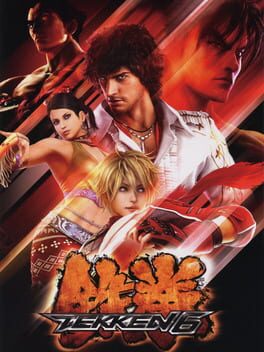
Tekken 6 is a fighting game developed and published by Bandai Namco Games. It is the seventh main installment in the Tekken franchise. It was released in Japanese arcades on November 26, 2007 as the first game running on the PlayStation 3-based System 357 arcade board. The game received an update, subtitled Bloodline Rebellion, a year later.

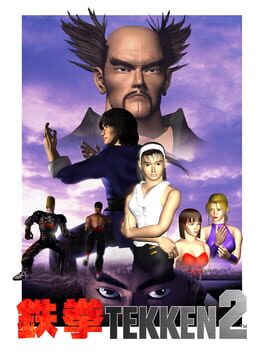
Tekken 2 is the second game in the Tekken series, it made various improvements over its predecessor in terms of graphics and features. All the characters from Tekken returned and eight new characters were added to the character roster along with new moves and combos.

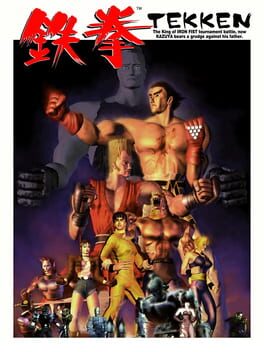
Tekken is a fighting game and the first entry in what would become the Tekken series and franchise. It was one of the earliest 3D-animated fighting games, incorporating many of the concepts from Sega's Virtua Fighter. Unlike traditional fighting games that require inputting commands as rapidly and accurately as possible, Tekken slows the action down by emphasizing rhythm, strategy, and deception over speed.

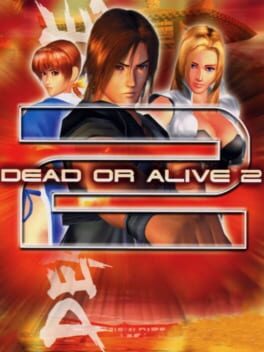
Dead or Alive 2 is a fighting game in the Dead or Alive series. The gameplay of DOA2, and all subsequent Dead or Alive games, borrows heavily from the Virtua Fighter series, but makes some key changes that drastically changes the way Dead or Alive is played in comparison to Virtua Fighter. In DOA2, the basis of the entire fighting system is the circular relationship between three types of moves: blows, throws, and holds.The other defining feature of DOA2, aside from blows/throws/holds, is its stun system. In DOA2 many attacks upon hitting will inflict a stun on the opponent. While stunned, the opponent cannot attack, and cannot guard, but they can hold. If the attacker lands a non-knockdown, non-launching attack while the opponent is stunned, the opponent will be re-stunned in a new way, depending on what attack was landed. A major difference between DOA2 and other fighters was in the safety and non-punishability of attacks, both upon hitting and upon being blocked. Most blows in DOA2 can be punished on hit and block by each character's faster throws, making blow-based offense very risky. In addition to the normal rules of juggling, each character also fits into a specific weight category, which affects how the character responds to being launched and being juggled. In DOA2, fights can occur on either water or ice; when a character is on such a surface, all non-knockdown, non-launching attacks will induce a stun on any successful hit. Walls and falls in the middle of stages are everywhere in the game. Many stages are also multi-tiered: to get to other areas of the stage, one character must be knocked off a ledge and fall into the next area. These falls deal usually fairly high damage, but cannot knock the opponent out. Other notable features included introducing CG cutscenes in line with the plot, replacing the original "Danger Zone" areas in stages with fully interactive ones, allowing players to juggle each other into walls, propelling characters from landmarks for more damage.

Virtua Fighter 5 features an all-star cast of 17 fighters, including characters from the previous iterations along with two new characters named El Blaze and Eileen. The game delivers fast-paced, adrenaline-pumping action as players head into battle, taking on a host of popular characters. Players not only achieve victory by defeating highly-skilled opponents, but also by competing for prizes which earn them in-game money allowing them to buy many items at in-game shop. These items allow players to customize their ultimate warrior and become the top Virtua Fighter.

SoulCalibur II is the third installment in the Soul series and continues the tradition of his predecessors with improved graphics, new characters and new levels. A majority of the action takes place in Weapon Master mode where you have to choose a character and travel a set map to fight the many other warriors through different levels and challenges. Console ports were released, including guest characters from other franchises. The Arcade version has a unique mode called "Conquest Mode". This mode, which uses a name and password system to save data, allows the player to select one army among four. The player then fights against enemies in a series of eight 1-round battles, win or lose (the first seven are based on the player's rank, and the eighth is chosen by the player – this can only be interrupted by a Versus challenger.) After each round, the player earns EXP and can be promoted, and the game also rates the player in four categories: Soul, Power, Wisdom and Skill. The game also keeps track of which moves the player knows and uses most often. After the eight battles, territory control is updated and the player has the option to fight a bonus round against their character played by the AI.