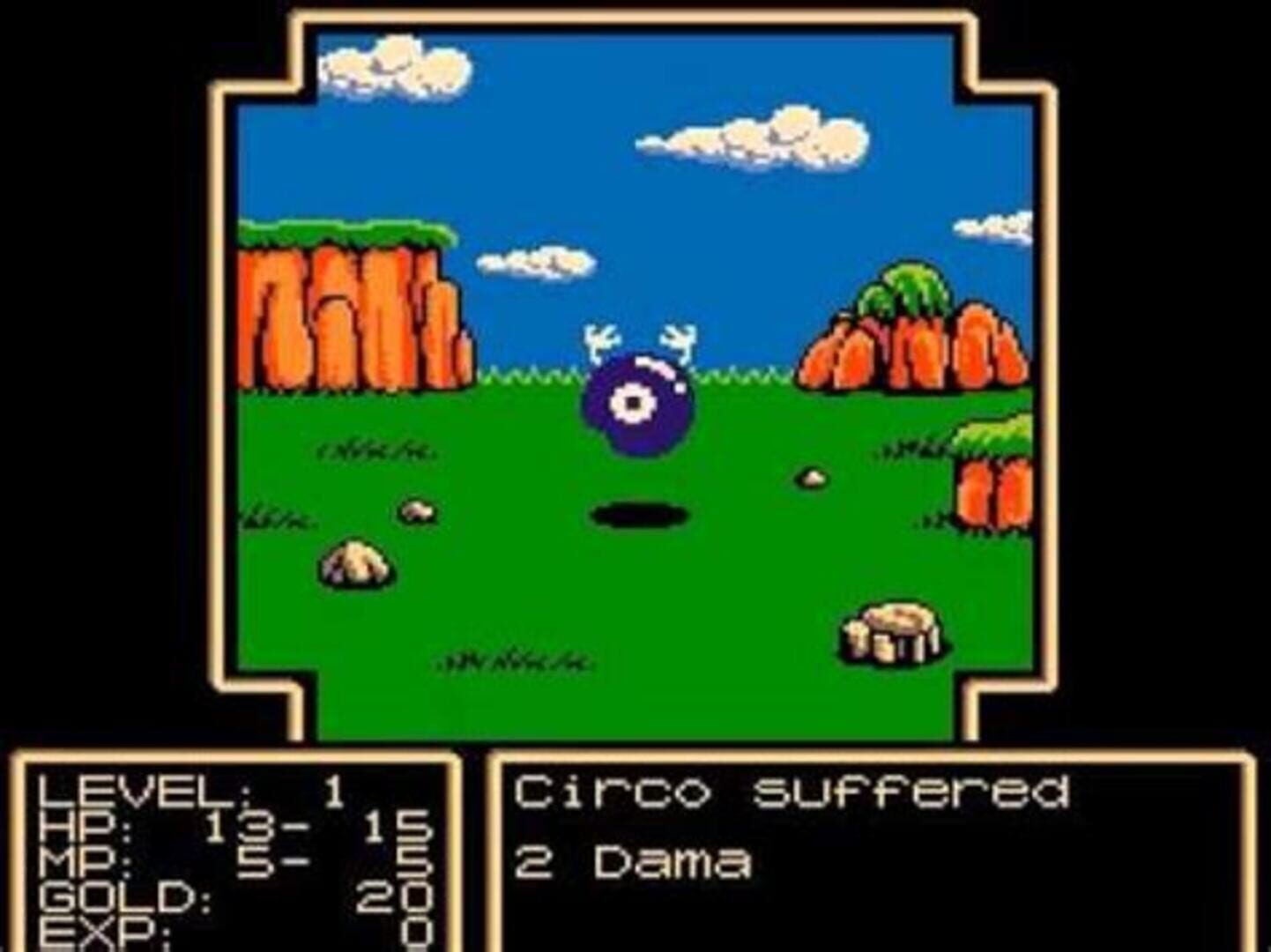
The Magic Candle is an action role playing game for the Nintendo Entertainment System.
Screenshots
Featured in
The Magic Candle is an action role playing game for the Nintendo Entertainment System.
Role-playing (RPG) / Turn-based strategy (TBS) / Fantasy / Science fiction
A turn-based JRPG and sequel to EarthBound (1994) in which a tragedy surrounding a family in the primitive yet joyful village of Tazmily incites the coming-of-age story of Lucas, the family's younger son, who goes on perilous adventures along with his friends in order to find his missing brother and stop a group of masked men from bringing about the end of the world.
Role-playing (RPG) / Strategy / Turn-based strategy (TBS) / Action / Fantasy
Bahamut Lagoon combines RPG mechanics with squad-based combat. Characters have HP, MP (SP for fighter characters), EXP, equipment, stats and class-specific, SP-draining special elemental abilities very much like traditional console RPGs. The player can explore his surroundings, talk to people and visit shops when not in battle, though to a limited degree as there is no world map and no way to leave the current area. The game's core is its turn-based battles fought on a 2d grid. Characters are assembled into parties of four and the player allowed a maximum of six parties, which are usually well outnumbered. The two opposing sides act in alternating turns so that each party can move once and/or attack once a turn. Attacks are divided into distant and close-up combat. In the former, a party uses a special ability (e.g. casting fireballs, throwing lightning, healing allies) of one of its members at a distance. The range and possible area of effect damage vary per ability. If the attacking party has two or more characters with the same ability, they join in the action to multiply its effectiveness. Distant combat results in less money and generally less damage, but the target cannot retaliate. Distant attacks can also affect the field; fire and ice ignite or extinguish forests and melt or freeze ice, etc. Close-up, each unit in two adjacent opposing parties can act once. Very much like Final Fantasy SNES combat, they can attack an enemy, use an item or a special ability (though these can't be combined and most only affect one target instead of all) or defend. Dragons are the player's ace in the hole. They have their own stats and gain experience like normal characters do. In battle, each party has a dragon attached to it and draws a large portion of its strength from that of its dragon: if a party's dragon is slain, the party will lose the ability to use special attacks and class-specific abilities for the remainder of the map. The beast acts as a very powerful autonomous unit that moves after its party does and it cannot be controlled beyond very simple commands, e.g. "Come!" Out of battle, dragons will eat anything and raising them by feeding them items is an important part of the game. Feeding can improve their stats as well as affect their behavior on the field, and the dragons develop into new forms as they grow. The player can change the characters in each of the parties, their formation as well as what dragon represents them at will.
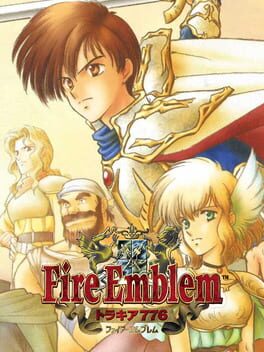
Role-playing (RPG) / Strategy / Turn-based strategy (TBS) / Fantasy
Fire Emblem: Thracia 776 is a Japanese tactical role-playing game developed by Intelligent Systems and published by Nintendo, and the fifth installment in the Fire Emblem series. It is also the third and final Fire Emblem series title to be released on the Super Famicom. Fire Emblem: Thracia 776 takes place between Chapters 5 and 6 of the previous game, Fire Emblem: Seisen no Keifu. Several characters from Fire Emblem: Seisen no Keifu appear, such as Leaf, Fin, and Nanna. It takes place in the Thracian peninsula in southeastern Jugdral.
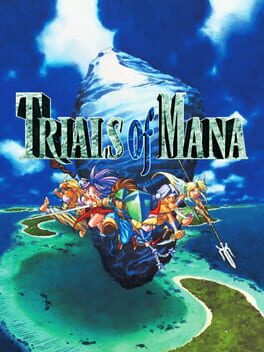
Role-playing (RPG) / Adventure / Action / Fantasy
Trials of Mana is the third installment of the Mana series, developed by Square under the direction of series creator Koichi Ishii. The game takes place in a new world where, once again, the Mana Tree is under threat from an ancient evil thought sealed away. Players choose three from among six heroes as the chosen wielder of the Mana Sword and their two companions on the journey to claim the holy blade and preserve what remains of the Mana power.
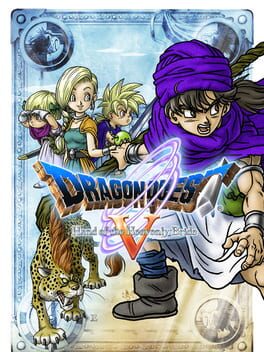
Role-playing (RPG) / Adventure / Action / Fantasy
Dragon Quest V uses basic role-playing video game mechanics seen in the rest of the series, which includes leveling up by gaining experience points through battle, first person turn-based battles, and equipping weapons and armor. Something new to the Dragon Quest series is the ability to tame monsters into the player's party. The monsters can be used in battle and level-up like the human characters. Monsters sometimes request to join the Hero after battles if the party is strong enough. There are a total of 71 monsters that are capable of joining the Hero's party
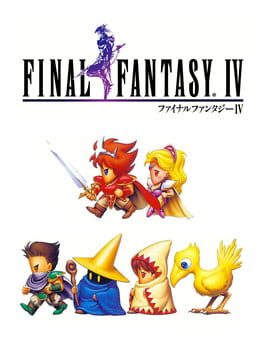
Role-playing (RPG) / Adventure / Fantasy
FINAL FANTASY IV is the fourth main installment in the FINAL FANTASY series, developed and published by Squaresoft. It was released in July 1991 for the Super Nintendo Entertainment System in Japan, and released as FINAL FANTASY II in North America in October 1991 with alterations made due to Nintendo of America's guidelines at the time.
Role-playing (RPG) / Simulator / Turn-based strategy (TBS) / Fantasy / Science fiction
Fifty years have passed since the hero of Shin Megami Tensei followed the neutral path, defeated the leaders of Law and Chaos, and founded a state where followers of both ideologies could live freely. But his reign of freedom doesn't last long. The Messian faith gains power, expanding the Cathedral into a new enclosed environment named Tokyo Millennium. The Gaians rise up, but their rebellion is repressed by the Messians' elite warrior class, the Temple Knights. People flock into the encapsulated city, submitting themselves to the strict hierarchy imposed by the Messian Center, where only the privileged living in the Center district are safe from demonic assaults. A few years later, a retired arena fighter Okamoto rescues a man named Hawk, who was fighting for his life against a demon. He trains him to fight in the arena of the Valhalla district, hoping that he would win the tournament, which will grant them both citizenship in the Center district. When Hawk succeeds, he is brought before a Messian bishop, and learns the shocking truth about his own origins and the role he is supposed to play in the grand scheme of events. A new battle for a better future begins. Shin Megami Tensei II retains all the gameplay features of the previous game. The player is able to summon demons, fuse them to create more powerful ones, make them participate in battles, talk to random enemies and receive information from them, etc. The combat is turn-based, and the player explores the complex, maze-like dungeons from a first-person perspective view. Like in the first game, the Law, Chaos, and Neutral alignments play an important role: during the course of the game, the player will have to make choices that influence the alignment of the protagonist, steering the storyline into different directions. New features include a "magic succession" system, which allows demons to carry over their original magic spells when they are fused into new ones, a few additional spells and abilities, and the possibility to play at the casino and win unique items.
Role-playing (RPG) / Fantasy / Science fiction
Live A Live's story is split across seven seemingly unrelated chapters that can be played in any order, based on popular genres such as Western, science fiction, and mecha. Each chapter has its own plot, setting, and characters. Although the basic gameplay is the same throughout the game, each chapter adds a new factor to the basic formula, such as the stealth elements in the ninja chapter. After the first seven chapters are completed, two final chapters take place to establish the connection between the seven previous and resolve the story.