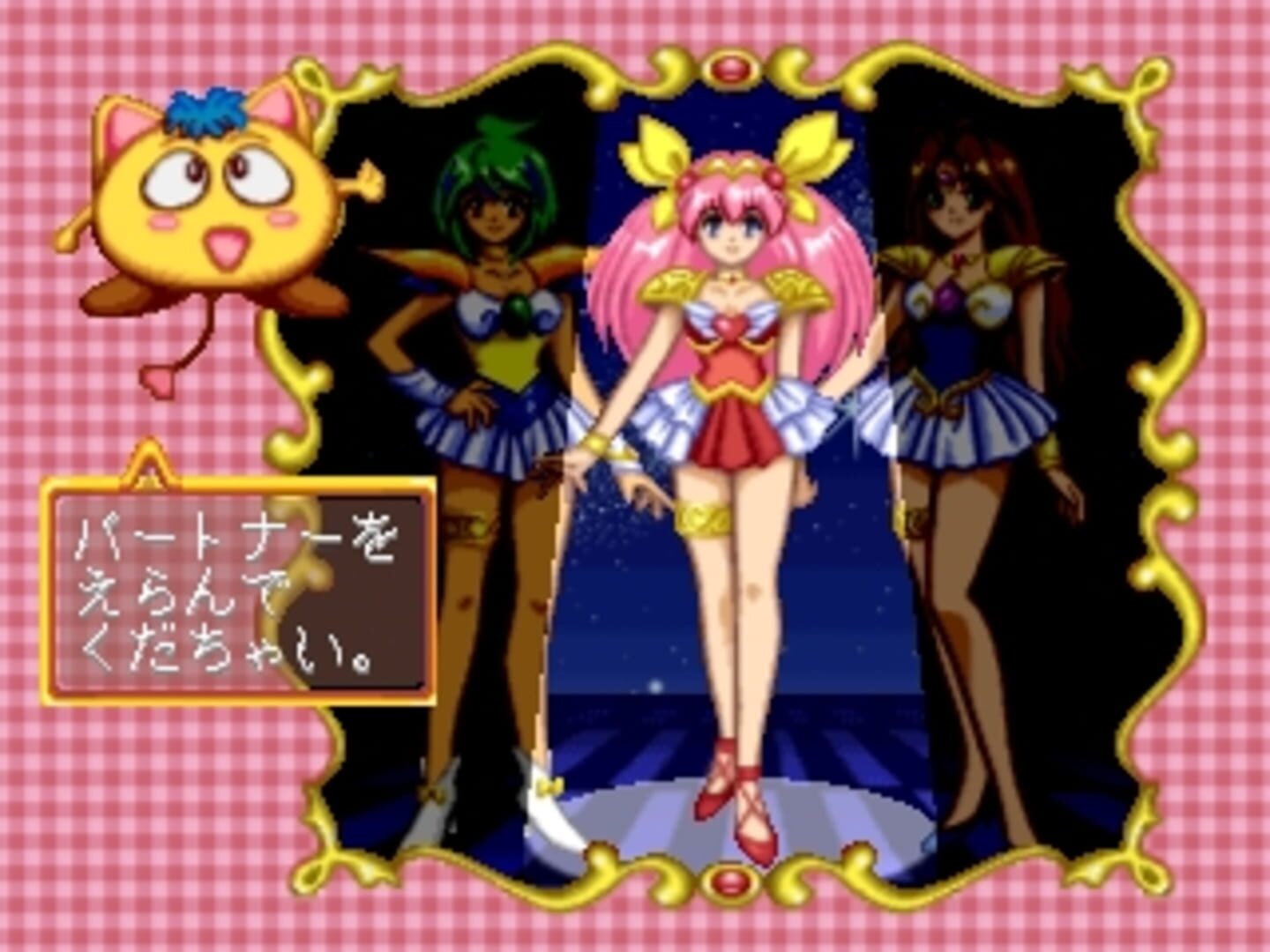
Released in 1996 for the PlayStation.
Screenshots
Featured in
Released in 1996 for the PlayStation.
Role-playing (RPG) / Strategy / Turn-based strategy (TBS) / Action / Fantasy
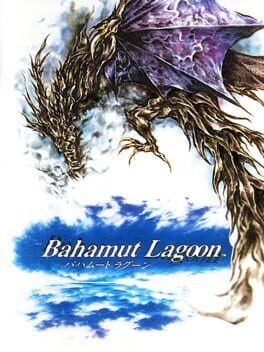
Bahamut Lagoon combines RPG mechanics with squad-based combat. Characters have HP, MP (SP for fighter characters), EXP, equipment, stats and class-specific, SP-draining special elemental abilities very much like traditional console RPGs. The player can explore his surroundings, talk to people and visit shops when not in battle, though to a limited degree as there is no world map and no way to leave the current area. The game's core is its turn-based battles fought on a 2d grid. Characters are assembled into parties of four and the player allowed a maximum of six parties, which are usually well outnumbered. The two opposing sides act in alternating turns so that each party can move once and/or attack once a turn. Attacks are divided into distant and close-up combat. In the former, a party uses a special ability (e.g. casting fireballs, throwing lightning, healing allies) of one of its members at a distance. The range and possible area of effect damage vary per ability. If the attacking party has two or more characters with the same ability, they join in the action to multiply its effectiveness. Distant combat results in less money and generally less damage, but the target cannot retaliate. Distant attacks can also affect the field; fire and ice ignite or extinguish forests and melt or freeze ice, etc. Close-up, each unit in two adjacent opposing parties can act once. Very much like Final Fantasy SNES combat, they can attack an enemy, use an item or a special ability (though these can't be combined and most only affect one target instead of all) or defend. Dragons are the player's ace in the hole. They have their own stats and gain experience like normal characters do. In battle, each party has a dragon attached to it and draws a large portion of its strength from that of its dragon: if a party's dragon is slain, the party will lose the ability to use special attacks and class-specific abilities for the remainder of the map. The beast acts as a very powerful autonomous unit that moves after its party does and it cannot be controlled beyond very simple commands, e.g. "Come!" Out of battle, dragons will eat anything and raising them by feeding them items is an important part of the game. Feeding can improve their stats as well as affect their behavior on the field, and the dragons develop into new forms as they grow. The player can change the characters in each of the parties, their formation as well as what dragon represents them at will.
Strategy / Turn-based strategy (TBS) / Card & Board Game / Fantasy
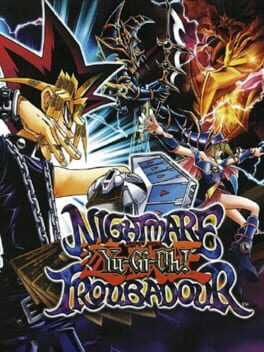
Yu-Gi-Oh! Duel Monsters: Nightmare Troubadour is the first time that the Yu-Gi-Oh dueling card game has appeared on the Nintendo DS. You can build a deck out of more than 1000 cards, including three exclusive trading cards that come with each game. The bottom screen represents the card game area, utilizing full touch capabilities, and the upper levels displays characters as they battle in full 3D. Yu-Gi-Oh! Duel Monsters: Nightmare Troubadour also supports wireless play, letting you challenge your friends to a duel or trade cards wirelessly.
Strategy / Turn-based strategy (TBS) / Card & Board Game / Fantasy
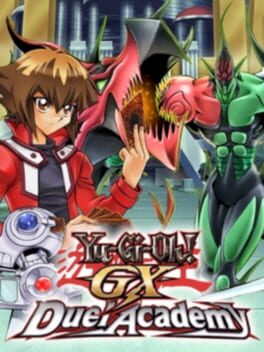
The objective is to advance through the game, following the first season of the anime. Mainly, you come to Duel Academy to become the King of Games. At first, you will be in Slifer Red Dorm with dropout boy ranks. You have to Duel and test in order to achieve a higher dorm and rank. When you win duels, you will get DP for buying booster packs in order to improve your Deck and skills.
Role-playing (RPG) / Strategy / Turn-based strategy (TBS) / Fantasy
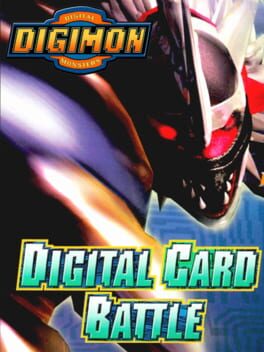
Can you imagine Digimon and humans living together and participating in Digital Card Battles? It sounds impossible, but you'd better believe it! Full of intense strategy and hardcore tactical maneuvering, DIGIMON DIGITAL CARD BATTLE is a genuine test of your skills and smarts. Each victory will increase your strength level, allowing you to move on to the next stage of play. Three Partner Decks will be at your disposal throughout play: Veemon will help you with offense; Armodillomon will provide surprise attacks; and Hawkmon will lend itself to quick digi-volving. The 40 new characters will provide plenty for series addicts to sink their teeth into, while 30 varieties of power-up cards will help gamers take down their competition. If all of this sounds like a foreign language to you, you're due to dive into the magical world of trainers and their monsters, known as DIGIMON. Play alone or challenge a friend!
Puzzle / Strategy / Turn-based strategy (TBS) / Fantasy
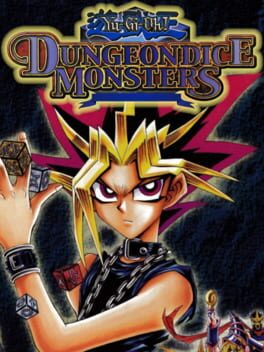
In Dungeon Dice monsters, there is a tiled board of 13 x 19 tiles (13 tiles wide) on which play is conducted. On either end of the board sits a "Monster Lord" (on the 7th tile from each side on the row closest to the players) representing either player. Each Monster Lord has 3 Life Points. The first player to lose all their Life Points loses. In the Yu-Gi-Oh! Anime, these were referred to as "Heart Points".
Role-playing (RPG) / Strategy / Adventure / Fantasy / Comedy
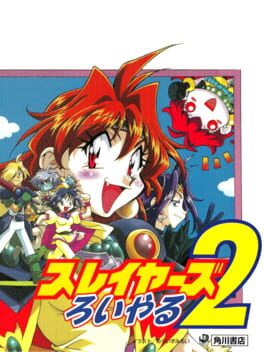
Saturn and PlayStation game based on the hit anime series.
Simulator / Strategy / Card & Board Game / Fantasy
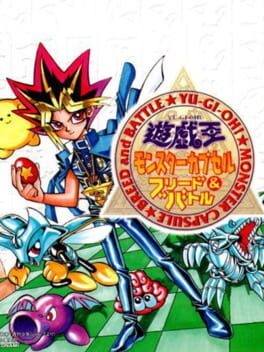
Yu-Gi-Oh! Monster Capsule: Breed and Battle, frequently abbreviated "MCBB", is the first Yu-Gi-Oh! video game, released by Konami on July 23, 1998 for the Playstation. It features a more well-developed variant of the Capsule Monster Chess game from the manga. Monster Capsule: Breed and Battle is the only video game to feature Capsule Monster Chess, though Yu-Gi-Oh! Monster Capsule GB features a modified version of the game and many of the monsters from MCBB, and Yu-Gi-Oh! Capsule Monster Coliseum features the spinoff game Capsule Monsters.
Strategy / Turn-based strategy (TBS) / Card & Board Game / Fantasy
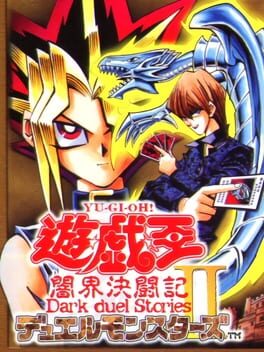
Yu-Gi-Oh! Duel Monsters II: Dark Duel Stories is a video game for the Game Boy Color, the sequel to Yu-Gi-Oh! Duel Monsters. Although the gameplay is still much simpler than the OCG, this game introduced 355 new cards, for a total of 720 (in contrast with the 365 total cards of its predecessor). Trap Cards and Ritual Spell Cards were first included in this game.