Mystery box
?
Sealed
Mystery Box
Every game in your current results, in one box. Add it to a quest and each run draws a fresh game from it, revealed on release day.
Arcade
1977
This side out
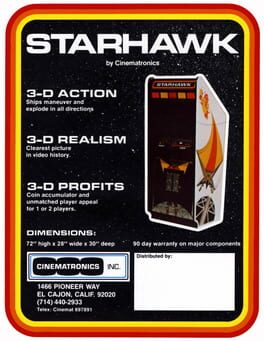
Starhawk is a vector arcade game designed and programmed by Tim Skelly and manufactured by Cinematronics.[1] Starhawk is a shoot 'em up unofficially based on the Star Wars: Episode IV trench run, the first arcade game to blatantly use concepts from Star Wars.[2] The game was unique at the time for its pseudo-3D graphics. It was released for the Vectrex home system in 1982. The arcade cabinet had to have a cinder block placed inside of it, to prevent it from tipping onto the player.
Channel F
1977
This side out
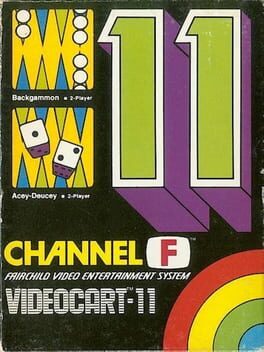
The original game of backgammon for the first 2nd-generation console of 1977. Players take turn rolling dice and then moving their pieces around the game board. Blue & Red each have to move all their pieces off the board to win, and are competing against each other and against lady luck herself. Acey-Deucey is another way to play Backgammon where the starting position is different. Instead of starting the game with numerous pieces arranged at places around the board, you start with all your pieces at the starting line. It makes for a longer game, although just as strategic and challenging. This preprogrammed cartridge plugs into the console of the Fairchild Video Entertainment System for more TV fun. This time, play the world's newest and most modern game of backgammon. The pieces are on the tube, rather than a board. Like the regular game, but better... You've got nothing to lose!
Arcade
1977
This side out
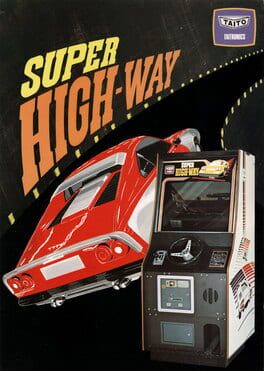
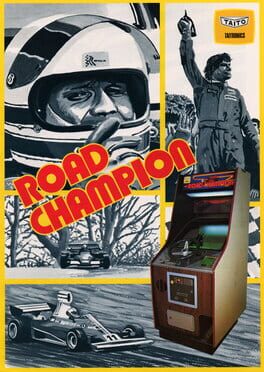
A driving game in the style of Night Driver and 280 ZZZAP by Taito.
Atari 2600
1977
This side out
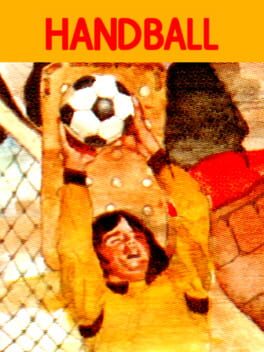
A Handball variant of pong exclusive to the Atari 2600 as games 41-42 of the launch title Video Olympics
Atari 2600
1977
This side out
Shooter / Arcade / Action / Warfare
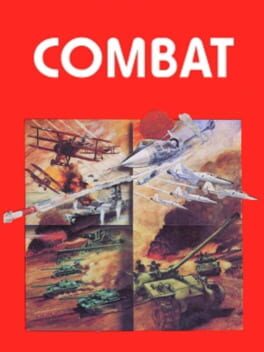
Combat is an early video game by Atari, Inc. for the Atari 2600. It was based on two earlier black-and-white coin-operated arcade games produced by Atari. Combat had color graphics and numerous gameplay variations. The 27 game modes featured a variety of different combat scenarios, including tanks, biplanes, and jet fighters. The tank games had interesting options such as bouncing munitions ("Tank-Pong") and invisibility. The biplane and jet games also allowed for variation, such as multiple planes per player and an inventive game with a squadron of planes versus one giant bomber.
Atari 2600
1977
This side out
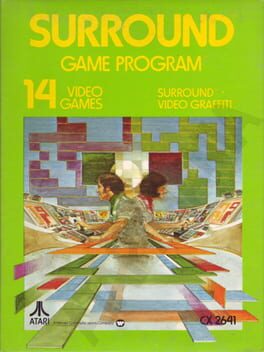
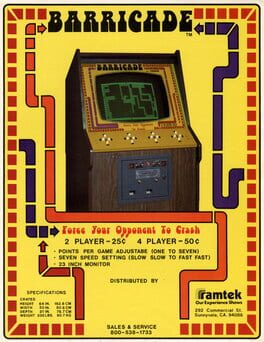
Surround was an unofficial port of the arcade game Blockade, released the previous year by Gremlin. As such, it was the first home console version of the game that would become widely known on other platforms as Snake. As with other early Atari games, it was licensed to Sears, which released it under the name Chase. The cartridge was subdivided into 14 different games. The first 12 of these were variations on the Blockade theme. Like its predecessor Blockade and successor Snake, the object of Surround was to maneuver a sprite across the screen, leaving a trail behind. A player wins by forcing the other player to crash into one of the trails. Various options allowed for speed-up, diagonal movement, wrap-around and "erase" (the choice to not draw at a given moment); in addition, the sprites could be set to operate at a beginning "slow" speed, or progressively speed up through five speeds.
Channel F
1977
This side out
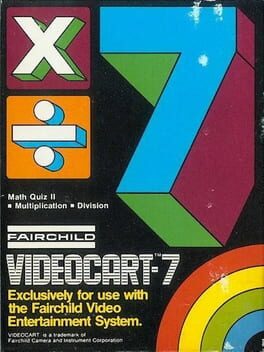
Videocart-7: Math Quiz (Multiplication & Division) is a Triva/Game/Quiz Show video game released by Fairchild Semiconductor for the Fairchild Channel F in 1977. This preprogrammed cartridge plugs into the console of the Fairchild Video Entertainment System for more TV fun. Get one problem right and a new one appears. Take turns with a buddy to double the competition... And quadruple the fun!
Atari 2600
1977
This side out
Shooter / Action / Science fiction
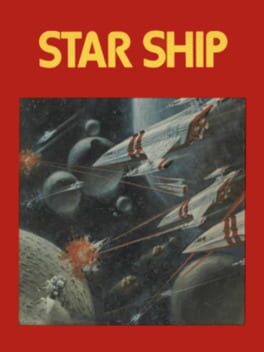
Star Ship is a First-person shooter video game cartridge developed by Atari, Inc. for its Video Computer System (later known as the Atari 2600). The game was one of the nine launch titles offered when the Atari 2600 went on sale. It was designed and programmed by Bob Whitehead. It was based on the Atari arcade game Starship 1. The re-branded Sears TeleGames version was titled "Outer Space".
Arcade
1977
This side out
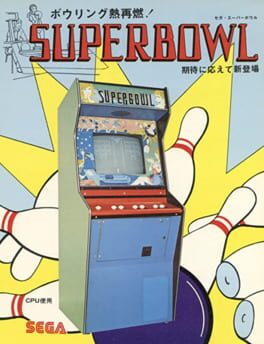
Superbowl is an arcade game released by Sega in 1977. It is a reworked version of Robot Bowl, a 1977 arcade game by Exidy (licensed to Sega) which, despite its name, has nothing to do with American football but instead bowling. Super Bowl was released exclusively to a Japanese audience - other markets saw Exidy's original game.
Channel F
1977
This side out
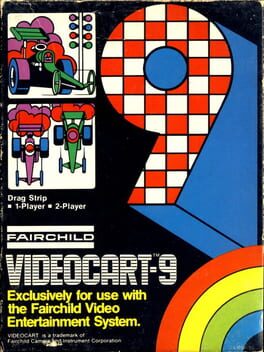
This drag racing simulator makes use of the Channel F's special controllers. While twisting the joystick's head to the left or right controls the engine throttle, the stick movement itself is used to shift gears in a realistic H-pattern. Depending on the chosen skill level, the car available is a family sedan, a modified sedan, a funny car, or a real dragster, although they all look the same on screen. One player can try to beat the predefined par time of 7.7 seconds, or compete against a friend to see who reaches the finish line first. The game manual mentions that a player only wins the game when he brings his victory counter to 99. This preprogrammed cartridge plugs into the console of the Fairchild Video Entertainment System for more TV fun. Know when to shift and you'll go the distance with these 2 racy games. But careful... Redline your engine, an dyou wind up shiftless! (You've blown it!)
Atari 2600
1977
This side out
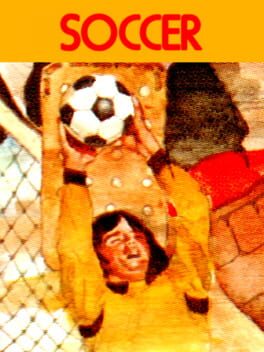
ported to the Atari 2600 as games 33-40 of the launch title Video Olympics
Arcade
1977
This side out
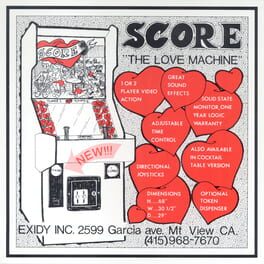
Developed by Exidy, Score is another extension of the Destruction Derby concept with the cars replaced by bar patrons. Set in a singles bar, the object of the game is to “score” with as many members of the opposite sex as possible. When the onscreen Lothario makes contact with the object of his (or her) affections, a heart appears on screen. A cocktail version of the game came in a heart-shaped cabinet.
Arcade
1977
This side out
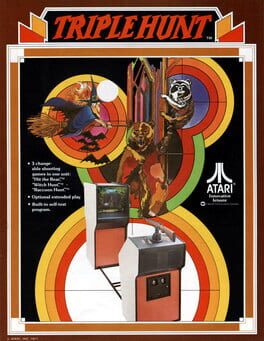
Three changeable and selectable shooting games in one unit.
Atari 2600
1977
This side out
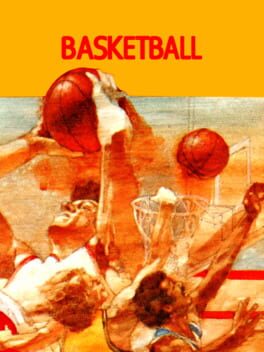
A Basketball variant of pong exclusive to the Atari 2600 as games 45-46 of the launch title Video Olympics. The game features a simple game of one-on-one basketball playable by one or two players, one of the few early Atari 2600 to have a true single player feature with an AI-controlled opponent.
Still plenty of games...