

Originally, Capcom Fighting All-Stars was planned to be a 2D sequel to Capcom vs. SNK 2: Mark of the Millennium 2001, before being converted to 3D. However, due to SNK's financial troubles and restructuring, the title was redesigned as a Capcom-only crossover with twenty former SNK members designing it, using the models previously built for the original title. Like SNK's KOF: Maximum Impact games, it was designed to translate a 2D fighting game series into 3D. This was done previously in the Street Fighter EX series, which Capcom co-produced with Arika. Capcom beta-tested the game, but after negative feedback from players and more months in development, the game was canceled in August 2003. According to an interview with former The King of Fighters director Toyohisa Tanabe, a secret character from Tanabe's old company (SNK) was set to be playable in Capcom Fighting All Stars.. While not confirmed, the figure bears a heavy resemblance to K' or Kyo Kusanagi.
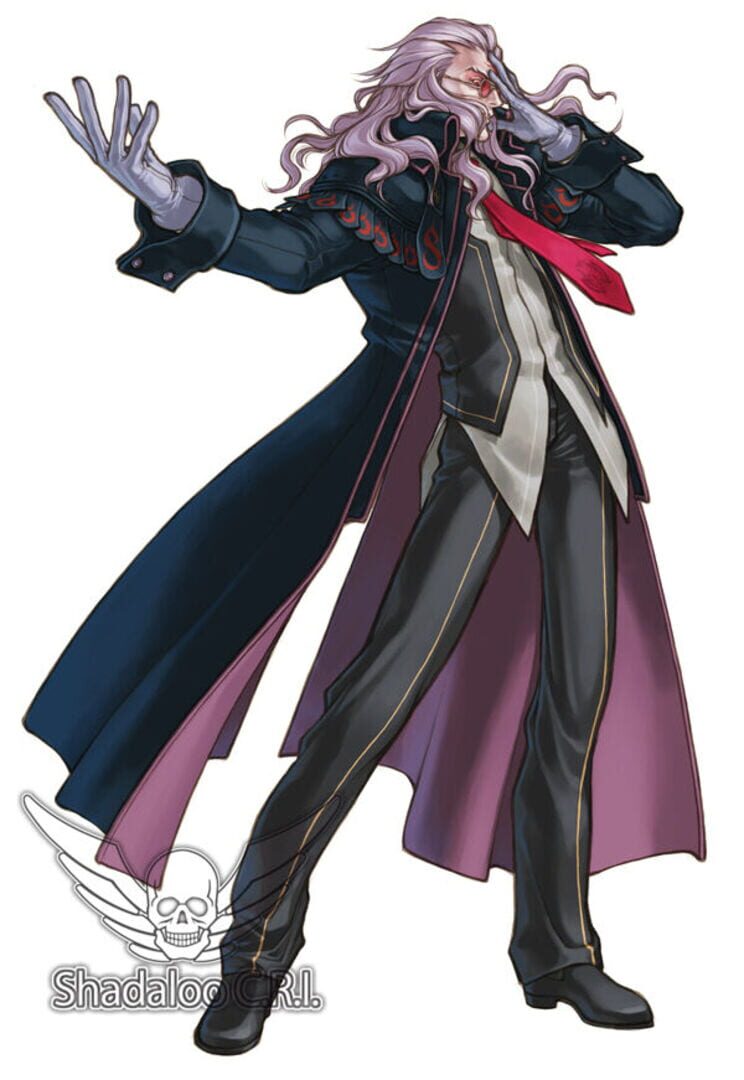
The shadow of fear was approaching Metro City. A man only known as Death, was running around Metro City with a bomb. The bomb was codenamed "Laughter Sun". Mayor Mike Haggar contacted the characters listed above in order to locate and defeat Death and then defuse the bomb. Codes were needed to disarm the bomb, and that is where the Code Holders subtitle of the game comes into play. D.D. and his teammates, Rook and Ingrid, were the Code Holders. Their codes are Ogre, Fallen Angel, and Isis. The game had a time limit, and depending of how long the player took to finish the game, the ending would vary.
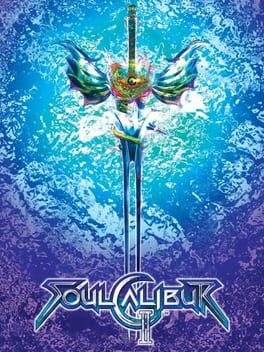
SoulCalibur II is the third installment in the Soul series and continues the tradition of his predecessors with improved graphics, new characters and new levels. A majority of the action takes place in Weapon Master mode where you have to choose a character and travel a set map to fight the many other warriors through different levels and challenges. Console ports were released, including guest characters from other franchises. The Arcade version has a unique mode called "Conquest Mode". This mode, which uses a name and password system to save data, allows the player to select one army among four. The player then fights against enemies in a series of eight 1-round battles, win or lose (the first seven are based on the player's rank, and the eighth is chosen by the player – this can only be interrupted by a Versus challenger.) After each round, the player earns EXP and can be promoted, and the game also rates the player in four categories: Soul, Power, Wisdom and Skill. The game also keeps track of which moves the player knows and uses most often. After the eight battles, territory control is updated and the player has the option to fight a bonus round against their character played by the AI.

The main fighting game is best described as a polygonal Marvel vs. Capcom game, with some notable differences. Control wise, the game varies from other Capcom fighting games by only having four buttons (two punches and two kicks, which is closer to the SNK game format) rather than the standard six. A player chooses a team of two characters, and fights against another two character team. The actual fights, however, are one-on-one fights, with the partner only participating by being called in when a player has enough 'vigor' for a Team Up attack, done by pressing a punch and kick button of the same pressure. The Team Ups would be some kind of double team attack by the character and partner, or (for most female characters' Team Ups) would heal the main character or give them more vigor. After the end of a round, a player (win or lose) has a choice to fight the next round with the partner from the previous round, or to keep their main character in play. The 'vigor' meter (essentially a super meter) could go up to 9 levels, with Team Ups costing two levels and super moves from a single person all costing one level of vigor. Much like the Marvel vs. Capcom games, launchers can be done that allow air combos to be performed, with all characters having universal low and high launchers. The game also had a few defensive techniques. Tardy Counters acted much like Alpha Counters from Street Fighter Alpha, allowing a player to immediately counter-attack from a blocking position. However, the restrictions on Tardy Counters are very lax; any hard normal, special or super attack can be used to Tardy counter (Alpha counters are only limited to certain special moves for each character), and Tardy Counters do not cost any extra vigor to perform (Alpha Counters required at least a level of Super Combo gauge to do). Attack Cancels allowed a player to cancel an incoming hit simply by timing their own hit with the attack, which would cancel out both attacks (though it does not nullify the remaining hits of a multi-hit move). Also, one additional level of vigor is awarded.

Fighting / Arcade / Action / Fantasy
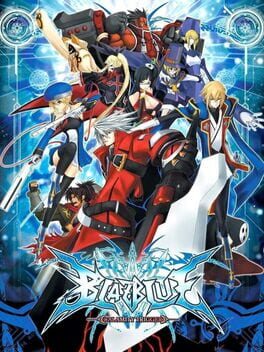
BlazBlue: Continuum Shift is a fighting game developed by Arc System Works as a direct sequel to BlazBlue: Calamity Trigger. BlazBlue: Continuum Shift retains the traditional 2D fighter gameplay of two characters participating in a duel on a two dimensional plane and features a selection of new playable characters.

Fighting / Arcade / Action / Fantasy
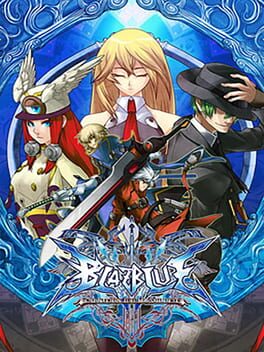
BlazBlue: Calamity Trigger is a fighting game developed by Arc System Works in 2008 and is the first game in the BlazBlue series. The game was originally developed for Japanese arcades and later received console and PC ports. The game is a traditional 2D fighter where two characters participate in a duel. Every character has a weak, medium and strong attack, as well as an "unique" technique, called a Drive attack, which is different for each character. Various combos can be performed by every character through careful input of regular and Drive attacks.

Fighting / Arcade / Action / Fantasy
Mortal Kombat Trilogy features the same gameplay and story as Mortal Kombat 3, but adds characters and stages from the other three arcade games, including Ultimate Mortal Kombat 3. Some completely new characters were also introduced. New additions to the game included the "Aggressor" bar, a meter that fills during the course of the match and temporarily makes a player character faster and stronger. It also features the Brutality, a long combination of attacks that ends with the opponent exploding.

Fighting / Shooter / Platform / Action / Fantasy
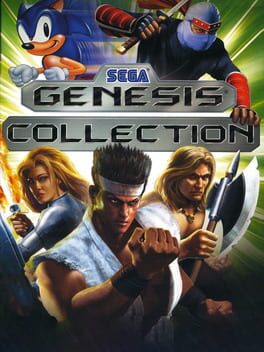
Sega Genesis Collection features over 30 titles including, Altered Beast, Sonic The Hedgehog, Shinobi III, Phantasy Star, and the original Sega Genesis version of Golden Axe. Sega Genesis Collection also features numerous unlockable items that delve into the soul of the Genesis including interviews with the original developers that created the games featured in the collection, a museum area with interesting facts about the games, a hint area to help gamers complete their favorite Sega Genesis games, and Sega arcade games from the Genesis era.

Fighting / Arcade / Action / Fantasy
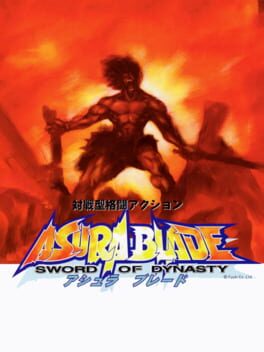
Asura Blade: Sword of Dynasty is Fuuki's first of two attempts at making a one-on-one 2D fighting game; its sequel, Asura Buster, is the second. The story revolves around the search for the eponymous Sword of Dynasty in a war-torn world. The game features eight playable characters, as well as two boss characters, only briefly usable in single-player mode using codes. It uses a simple three-button control scheme and sticks to more basic motion inputs for its roster's special moves, for greater accessibility. Its colorful visuals and detailed background art take inspiration from contemporary entries in the Darkstalkers and Street Fighter Alpha series.

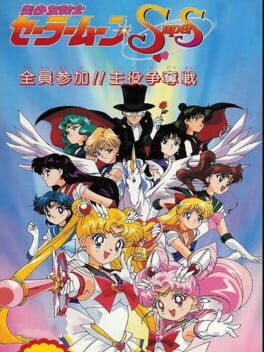
This game is the sequel and an update to Sailor Moon S: Jougai Rantou!? Shuyaku Soudatsusen. The Sailor Senshi are fighting to choose a new leader. After defeating an enemy, Sailor Moon was teased by Sailor Chibi Moon and Sailor Mars, who called her undependable. The rest of the Sailor Senshi then decided to have a contest to choose a new leader. This game is based on the popular Anime series "Sailor Moon" and was released only for the japanese Super Famicom.