An updated version of the original Capcom vs. SNK titled Capcom vs. SNK Pro was released on the Arcade Sega NAOMI GD-ROM hardware (2000), Dreamcast (2001) and PlayStation (2002), the latter suffering from slight load times between rounds and downgraded graphics and sound due to hardware limitations. New additions included Joe Higashi (from Fatal Fury) and Dan Hibiki (from Street Fighter Alpha), new moves for existing characters, and new modes of play.
In AD 2000. A special martial arts event is planned through a collaboration of the two most powerful world organizations: Garcia Financial Clique and Masters Foundation. The gala event – it is hoped! – will ease the political conflicts between the two powers. It's name was "Millennium Fight 2000". Many renowned martial artists have registered for the tournament. People around the world focus intensely on the upcoming exhibitions. The long-awaited opening ceremony is a huge success. No one notices the signs of impending chaos...
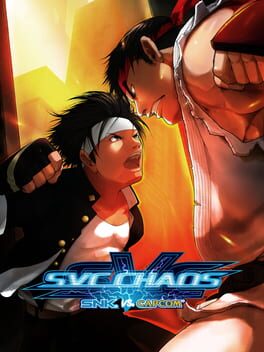
SNK vs. Capcom: SVC Chaos primarily utilizes the command system of The King of Fighters series, incorporating light/strong kicks, punches, cancels and charging attacks. Unlike its predecessor, Capcom vs. SNK 2, this game lacks both air guards and a "groove system", instead focusing on quicker gameplay. Characters are provided with a basic 3-level bar system for executing super-special attacks with basic filling options attributed to strikes and damage. Additionally, the sprites from the various series received new models and some special effects were changed in the command lists (for example, the player cannot increase the damage of the Zujou Sashi used by Choi Bounge by tapping the buttons anymore).

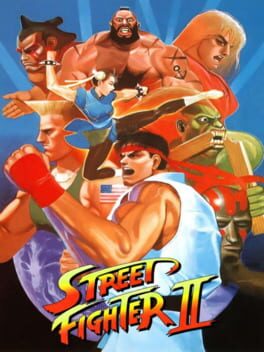
Street Fighter II for the Super Nintendo Entertainment System is a home console port of Capcom’s arcade fighting game. It retains the one-on-one fighting structure, eight playable World Warriors, four boss opponents, and special-move system from the arcade version. The port adapts the arcade game for the SNES/Super Famicom hardware, with reduced animation, altered audio, and some presentation changes. Unlike most earlier home computer conversions, it is a relatively close version of the arcade game, using the console’s six-button controller layout to reproduce the original punch and kick controls more directly.

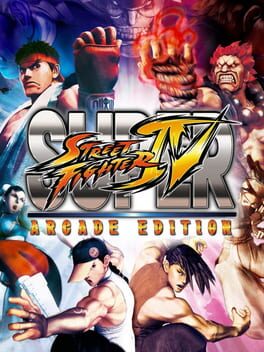
An arcade version of Super Street Fighter IV was released by Capcom in December 2010, titled Super Street Fighter IV: Arcade Edition. Arcade Edition added Yun, Yang, Evil Ryu and Oni to the roster, as well as changes to the existing characters.

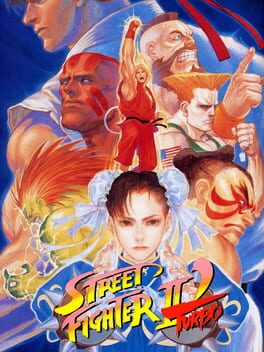
They're back, and they're badder than ever! Faster, stronger and with all new moves, twelve of the greatest fighters from across the globe are ready to battle. Choose your champion and get ready for the big brawl as they try to earn the right to battle M. Bison for the title. And just when you think you've mastered it all, crank it up a notch and go TURBO! This home port of the Arcade game for the SNES includes most of the updates from the Arcade and additionally includes the 'Champion Edition' game-play and characters as well as four selectable game speeds within 'Turbo mode.' Many of these new features would also be included in 'Street Fighter II: Special Champion Edition' for the Genesis/Mega Drive.

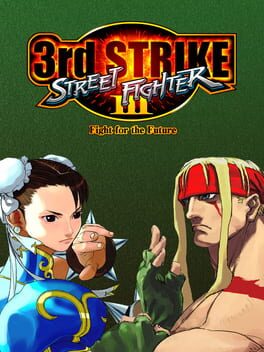
Street Fighter III: 3rd Strike is the second follow-up to Street Fighter III. The game increased the character roster by adding five new characters and also added further refinements to the previous game's play mechanics and rules. All the returning characters from the previous Street Fighter III games were given new stages, endings, and voice actors for certain characters, continuing the overall storyline from where the first two games left off.

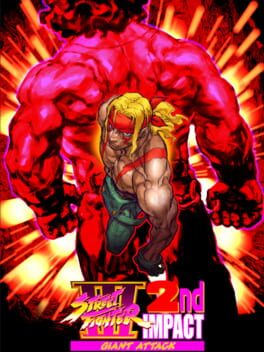
2nd Impact brought back all the characters from the first game and introduced two new ones: Hugo and Urien. Yang, who was an alternate version of Yun in the first game, became his own character with his own set of special moves and super arts. Akuma also returned as a secret computer-controlled challenger and selectable character. Thus the playable character roster increased to 14. In addition to the regular Akuma, a non-playable computer-controlled version named "Shin Akuma" also appears in the single-player mode.

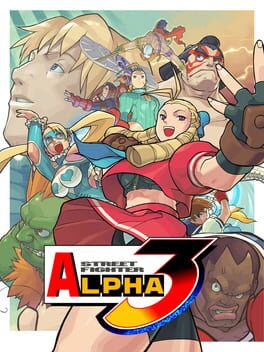
Street Fighter Alpha 3 is the third game in the Street Fighter Alpha series. It features a complete gameplay overhaul with the addition of three selectable fighting styles, new stages, over seven new and returning characters and an exclusive soundtrack. The game's illustrations, select screens, soundtrack and sound effects all have a similar style to the Final Fight series, unlike the previous games.

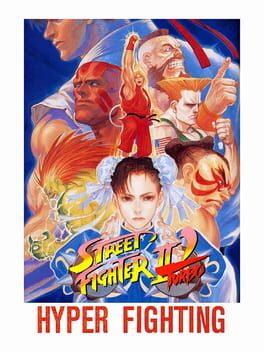
Street Fighter II Turbo: Hyper Fighting is a competitive fighting game released for the arcade by Capcom in 1992. It is the third game in the Street Fighter II sub-series of Street Fighter games following Street Fighter II: Champion Edition. Released less than a year after the previous installment, Hyper Fighting introduced a faster playing speed and new special moves for certain characters, as well as further refinement to the character balance. Hyper Fighting is the final arcade game in the Street Fighter II series to use the original CP System hardware. It was distributed as an upgrade kit designed to be installed into Champion Edition printed circuit boards. The next game in the series, Super Street Fighter II, uses the CP System's successor, the CP System II.