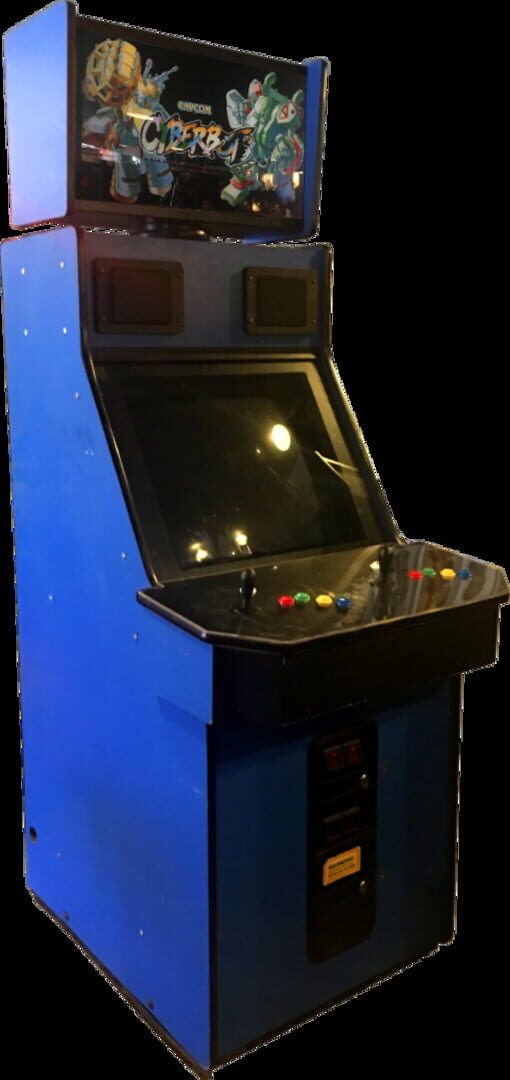
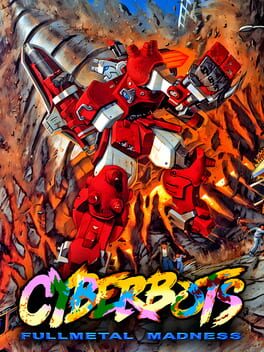

The premise in Cyberbots is similar to Armored Warriors, albeit it features only a maximum of two playable characters on screen as opposed to three. It features a range of selectable options, parts, and mecha that allow the player to tailor their play style to their preferences. Similar to the Armored Core series, different legs (which affect movement abilities), arms (which affect reach and melee capabilities), and weapons can be mixed and matched between the selectable robots available to the player. Gameplay in Cyberbots is similar to other Capcom-created fighting games, with a medium-sized command list of attacks available to each robot. Battles are a duel-format affair, with players and the computer fighting one another to advance to the next battle.
Set at the end of the 21st century, the game takes place in a world in which humanity has expanded beyond Earth and begun colonizing deep space. Earth Force, a military organization consisting of large mechs and their pilots, defends Earth’s interests and serves as the colonies’ primary line of defense. Players select one of six pilots and one of twelve mechs, then engage in 2D battles. Winning battles allows mechs to be upgraded and customized with new parts and weapons. The game’s story reveals further information about Earth Force and its experiments, while the actions of the selected character contribute to the outcome of Earth’s future.
The main fighting game is best described as a polygonal Marvel vs. Capcom game, with some notable differences. Control wise, the game varies from other Capcom fighting games by only having four buttons (two punches and two kicks, which is closer to the SNK game format) rather than the standard six. A player chooses a team of two characters, and fights against another two character team. The actual fights, however, are one-on-one fights, with the partner only participating by being called in when a player has enough 'vigor' for a Team Up attack, done by pressing a punch and kick button of the same pressure. The Team Ups would be some kind of double team attack by the character and partner, or (for most female characters' Team Ups) would heal the main character or give them more vigor. After the end of a round, a player (win or lose) has a choice to fight the next round with the partner from the previous round, or to keep their main character in play. The 'vigor' meter (essentially a super meter) could go up to 9 levels, with Team Ups costing two levels and super moves from a single person all costing one level of vigor. Much like the Marvel vs. Capcom games, launchers can be done that allow air combos to be performed, with all characters having universal low and high launchers. The game also had a few defensive techniques. Tardy Counters acted much like Alpha Counters from Street Fighter Alpha, allowing a player to immediately counter-attack from a blocking position. However, the restrictions on Tardy Counters are very lax; any hard normal, special or super attack can be used to Tardy counter (Alpha counters are only limited to certain special moves for each character), and Tardy Counters do not cost any extra vigor to perform (Alpha Counters required at least a level of Super Combo gauge to do). Attack Cancels allowed a player to cancel an incoming hit simply by timing their own hit with the attack, which would cancel out both attacks (though it does not nullify the remaining hits of a multi-hit move). Also, one additional level of vigor is awarded.

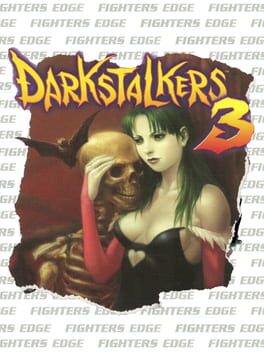
The DarkStalkers have been unleashed! All the creatures from your darkest dreams have materialized to wage an eternal war for domination of the night. The fate of all humanity rests on who wins this epic struggle. You control the power of your favorite supernatural monster to combine their special attacks and unique abilities in a head to head fighting challenge. It's a fierce and brutal conflict for supremacy in the monster hit of the year!

Fighting / Sport / Arcade / Action / Horror
Darkstalkers 3 is the second sequel in the Darkstalkers series of fighting games by Capcom, originally released for the arcades in 1997. The game was originally planned to be released as Darkstalkers: Jedah's Damnation in the United States, but this title was only used in the arcade version. New characters added in this version are Donovan, Huitzil (Phobos in Japan), and Pyron, with hidden characters of Dark Talbain and Oboro Bishamon .

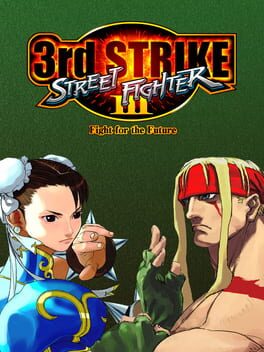
Street Fighter III: 3rd Strike is the second follow-up to Street Fighter III. The game increased the character roster by adding five new characters and also added further refinements to the previous game's play mechanics and rules. All the returning characters from the previous Street Fighter III games were given new stages, endings, and voice actors for certain characters, continuing the overall storyline from where the first two games left off.

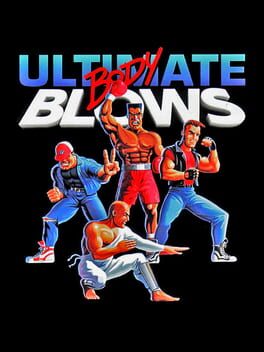
A compilation of the original fighting game "Body Blows" and its sequel, available only for Amiga, "Body Blows Galactic". The game combines everything from its predecessors and adds more colors, improved graphics and music, more backgrounds and endings, giving the player a total of 22 characters (including the invincible Max and his true self, the Terminator T17) and many fixes.

Fighting / Arcade / Action / Fantasy
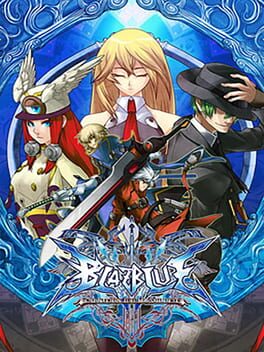
BlazBlue: Continuum Shift is a fighting game developed by Arc System Works as a direct sequel to BlazBlue: Calamity Trigger. BlazBlue: Continuum Shift retains the traditional 2D fighter gameplay of two characters participating in a duel on a two dimensional plane and features a selection of new playable characters.

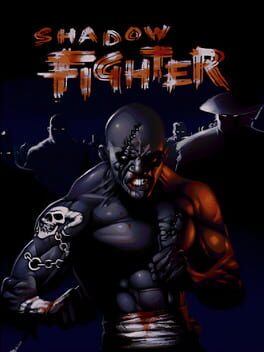
Shadow Fighter is a computer game for the Commodore Amiga, and Amiga CD32 developed by NA.P.S. team and published by Gremlin Interactive in 1994, and became one of the Amiga's best fighting game offerings during its final years, competing at the time with the likes of Acclaim's impressive home console ports of Midway's Mortal Kombat franchise, and Team 17's Body Blows.

Shooter / Platform / Action / Science fiction
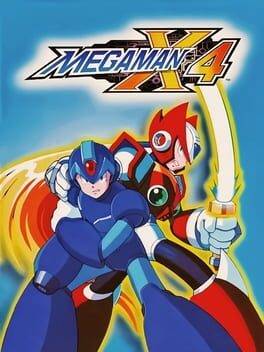
Mega Man X4, known as Rockman X4 in Japan, is the fourth game from the Mega Man X series. It was the second game in the series to be released on the Sega Saturn and Sony PlayStation (although it is the first original game; Mega Man X3 was ported to the systems), released in 1997 (and also re-released onto PlayStation as part of its greatest hits in 2002). It was later ported to the PC in 1998 and then re-released as part of the Mega Man X Collection