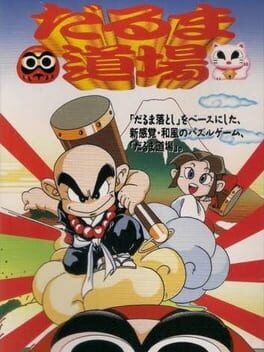
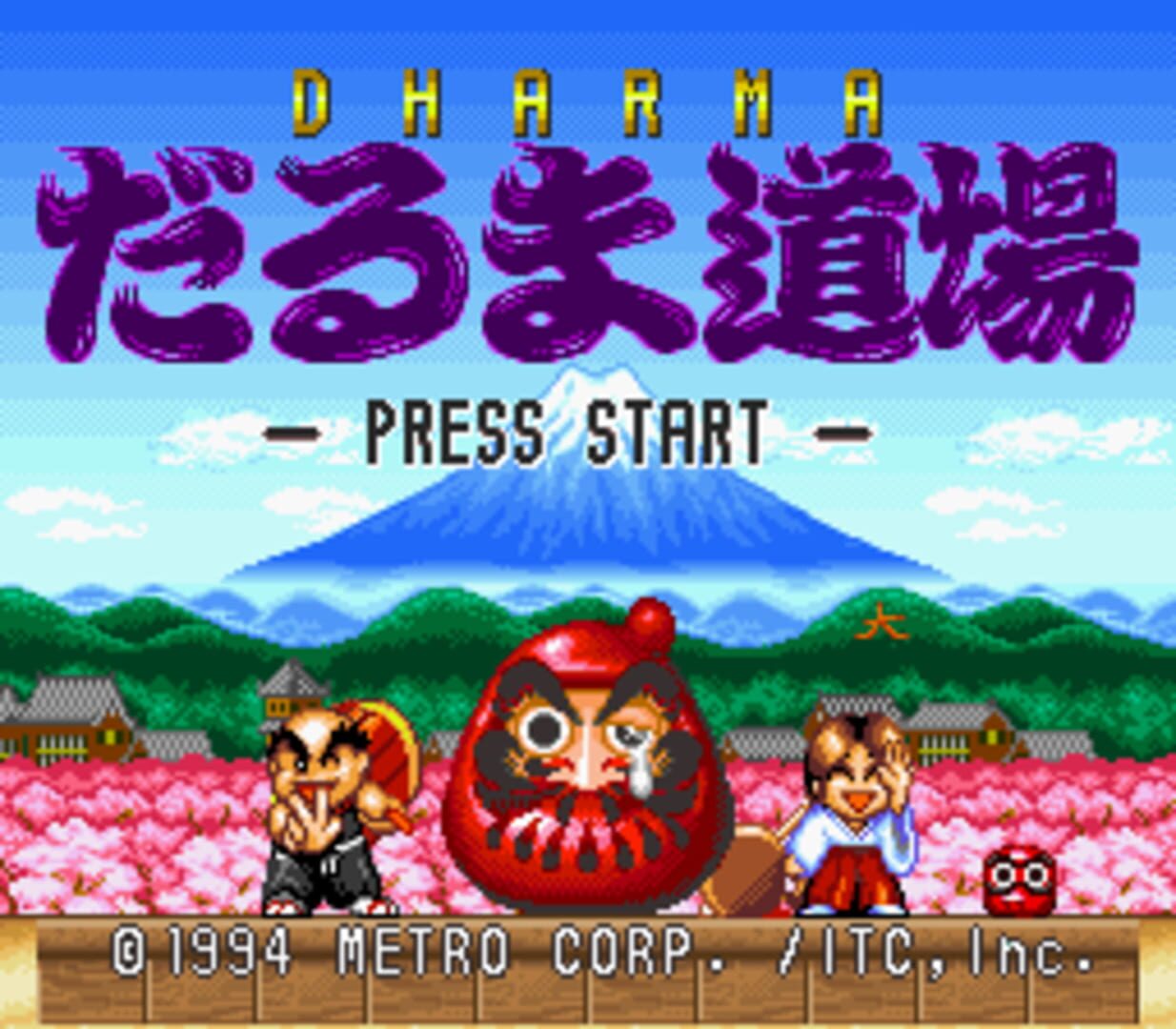
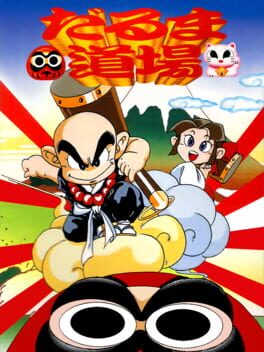
Dharma Dojo, or Daruma Dojo, is a puzzle game with stacks of blocks that the player bashes through to a gutter that collects the blocks at the bottom of the screen. By removing blocks of the same type, the player eliminates them. In the game's story, the daruma/dharma dolls and colored blocks are summoned by oni to terrorize the populace, and it's down to the player character (the player can choose from a male and a female character) to remove them. Dharma Dojo was released to the Arcade in 1994 and ported to the Super Famicom the following year.

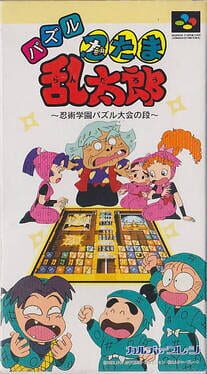
Block-stacking puzzle game developed by Culture Brain in 1996 that uses the license of the Nintama Rantarou anime.

Dharma Doujou is an obscure puzzle game in which you attempt to match like-colored pieces by relentlessly hitting everything with a big hammer.

Puzzle / Arcade / Fantasy / Comedy
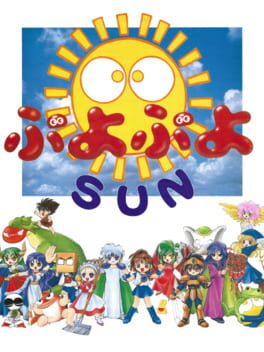
Satan has enlarged the sun in a devious attempt to get a perfect tan. Arle Nadja embarks on a quest to defeat him in this competitive puzzle game. This is the 3rd installment of the Puyo Puyo games series, and the sequel to Puyo Puyo Tsu. After the highly acclaimed success of its predecessor, Compile took a slightly more retro approach, so players had a more original feel to the game over that of Tsu. The name of Puyo Puyo SUN comes from a Japanese pun on san, and also indicates a new Puyo brought into the game. As Sun Puyo were used in this game, and the game itself is not only set on a tropical beach, but is the third in the series (san (δΈ‰)) is the Japanese word for the number three), the name served multiple purposes. This game was released only in Japan. Following the arcade release, Puyo Puyo Sun was ported to the then-current home consoles. The Saturn version was released merely three months after the arcade release, while the other ports were released in late 1997 and throughout 1998. The Saturn, PlayStation, and Windows 95 versions feature fully voiced cutscenes unlike the original ST-V version.
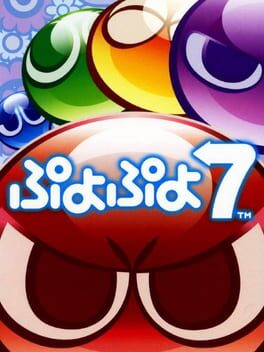
This is the 7th game in the main Puyo Puyo series, which is denoted by the 7. A break from the previous Fever series games, the game is set in a world similar to the real world instead of Primp Town. In this game, a new game mode known as Transformation was added as the default mode. Five new characters were introduced, and a few characters from past games in the series were reintroduced, either as playable characters or cameos.

Puzzle / Arcade / Action / Fantasy
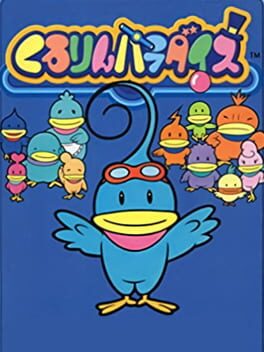
Kururin Paradise revolves around avoiding collisions as the player maneuver a robot through levels. The robot is shaped like a stick, and constantly spins. The second in the Kururin franchise, Paradise involves navigating complex levels with a constantly-rotating robot. Spring objects within levels change the direction of rotation when collided with, and an unlockable ability allows for increasing the speed of rotation. The player has three hit points. After three collisions with objects in the level (discounting the aforementioned springs), the level is re-started. Some levels have intermediate points that replenish health fully. However, they do not save progress. If the player loses all of his or her hit points, they still restart the level from the beginning. Almost all of the game is in Japanese.

Puzzle / Strategy / Hack and slash/Beat 'em up / Action / Fantasy
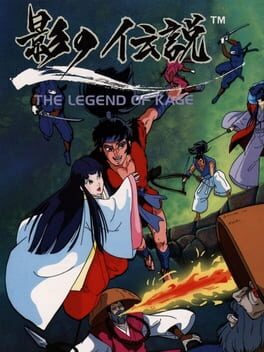
The Legend of Kage is a 1985 arcade game by Taito and was released for several contemporary video game home systems in 1986. The player is armed with a kodachi shortsword and an unlimited amount of shuriken. Grabbing a crystal ball causes the player character's Kage's clothes to change to the next level in colour and thereby attain certain powers (bigger shuriken and/or faster speed); if Kage is hit while in green or orange clothes, he does not die but revert to his normal red clothes. Grabbing a scroll causes Kage to stand still and meditate for several seconds while approaching enemies drop to the ground dead (although the scrolls appear in the arcade version, the crystal balls do not). This MSX version was brought without a license to the SG-1000 in Taiwan.

Puzzle / Role-playing (RPG) / Fantasy
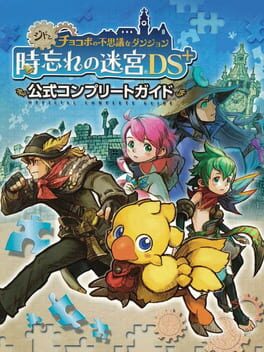
An enhanced port of Final Fantasy Fables: Chocobo's Dungeon to the Nintendo DS. The game includes a new storyline revolving around the character Cid and introduces one new job.

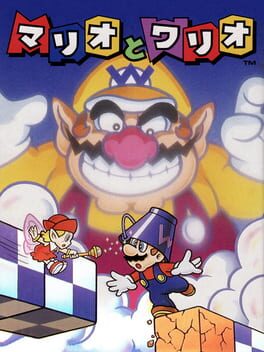
Mario & Wario is a puzzle game that is compatible with the SNES Mouse. The player chooses Princess Peach, Mario or Yoshi, and Wario proceeds to drop a bucket on their head (the object changes in later levels). The player controls Wanda the fairy to guide the now-blinded character through an obstacle course, to reach Luigi waiting at the end.