Digital Pinball: Necronomicon is a pinball video game created for the Sega Saturn by KaZe in 1996. Only released in Japan, this high-resolution 2D game draws much of its graphical and audio inspiration from the metafictional Necronomicon.

True Pinball is a pinball simulation that offers four tables rendered in either 2D or 3D views. Features include different music relating to the theme of each table, authentic sound effects and speech, plus up to six balls in play at once.

Pinball / Science fiction / Horror
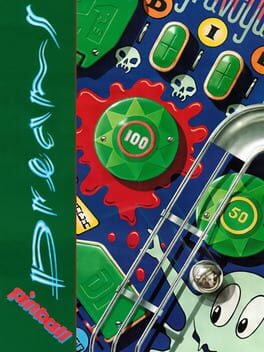
DICE’s first game was built by five friends from the Amiga demo group The Silents in their spare time. What started out as a demo idea soon became a full-fledged pinball simulation published by 21st Century Entertainment with the Amiga as the primary platform. Pinball Dreams captivated gamers and quickly became a cult hit.

Platform / Puzzle / Pinball / Action
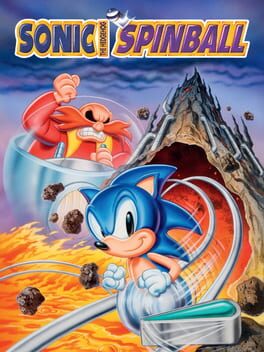
Dr. Eggman (AKA Dr. Robotnik) is once again turning the animals of Mobius into robots using his monstrous contraption, the Veg-O-Fortress. Only Sonic can penetrate the Pinball Defense System to free the animals, retrieve the Chaos Emeralds, and put a stop to Dr. Eggman’s fiendish plans!


Puzzle / Pinball / Action / Science fiction
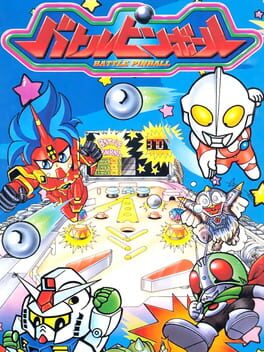
Battle Pinball is a multi-table pinball game exclusive for the Super Famicom and part of Banpresto’s "Compati Hero Series" that brings together the licenses for Ultraman, Kamen Rider and Gundam. The game contains four tables, each themed to a different hero: Kamen Rider, who fights in dusty wastelands with a number of his recurring enemies; Ultraman, who fights in a city against various kaiju; Knight Gundam, who fights in space; and Banpresto’s own original character Fighter Roar, whose stage is set under the ocean. Each table also has three screens, each with their own set of paddles, and the player attempts to earn highscores from the various features on each table.
Cassette 50 is a compilation of 50 games that was released for a variety of 8-bit home computers, albeit with different selections of games on different computers. The majority of games within the collection were programmed in BASIC and are widely considered to be of poor quality.

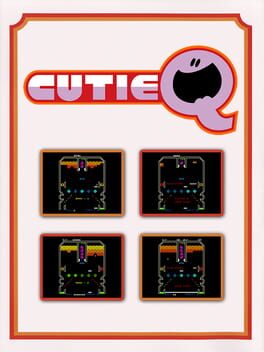
Cutie Q is is the third and final game in the Gee Bee trilogy. The player controls a set of paddles with a rotary knob, the objective being to score as many points possible by deflecting a ball against blocks, ghosts, spinners and other objects on the playfield. Cutie Q is described as Namco's first "character game", thanks to its use of colorful and cute character designs, a choice that would be a major influence on Toru Iwatani's next project, Pac-Man.