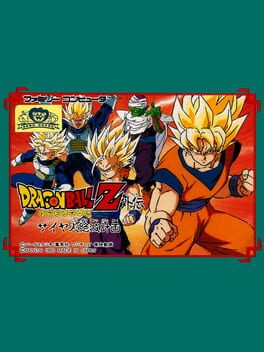
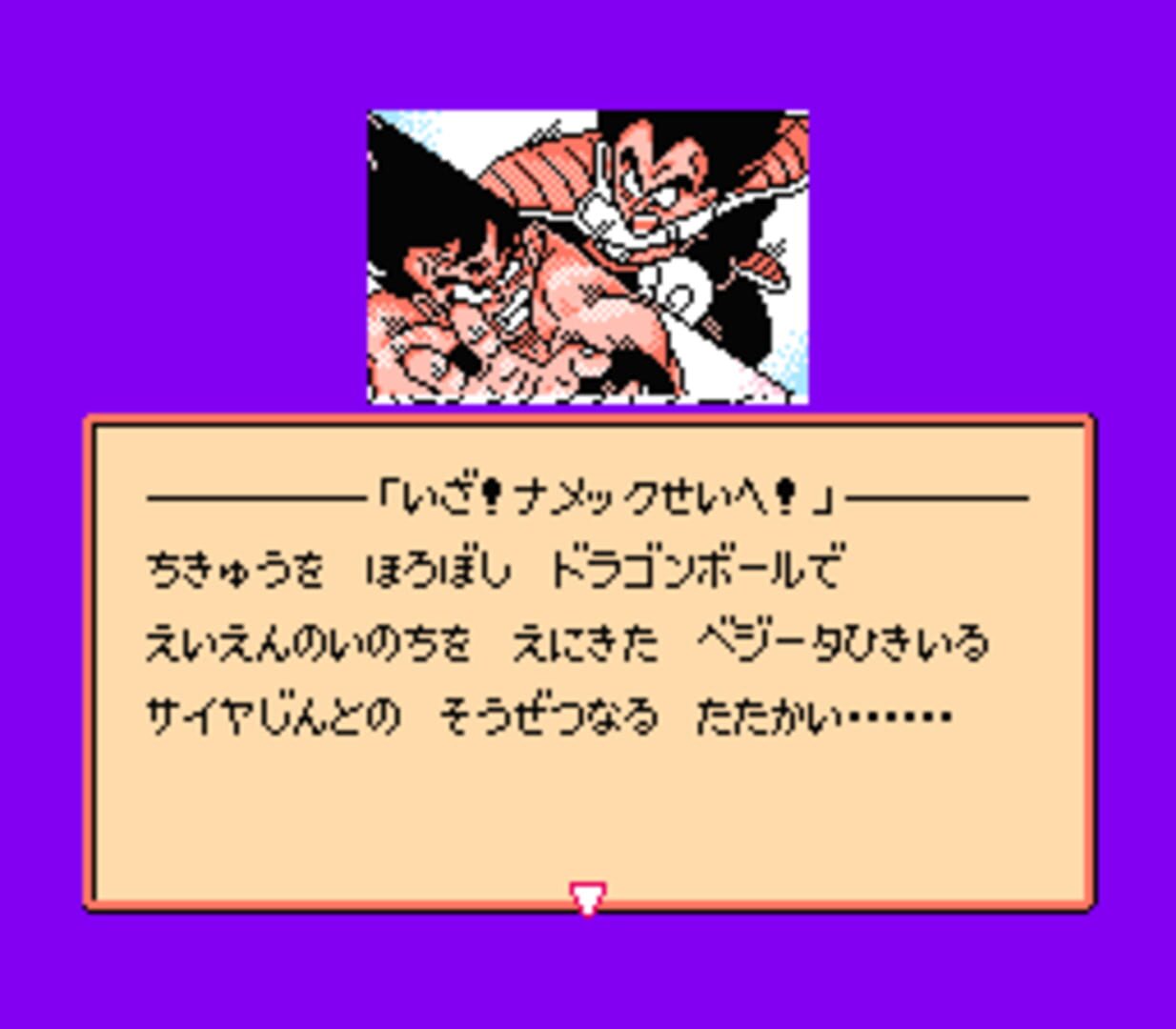
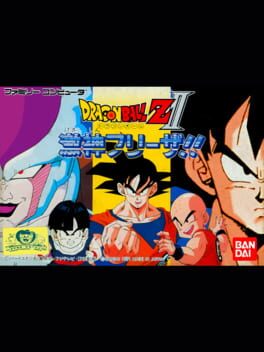
Dragon Ball Z II: Gekishin Frieza!! is a role playing video game released only in Japan by Bandai on August 10, 1991, for the Nintendo Famicom. Gekishin Freeza!! is also one of the games downloadable in the game compilation J Legend Retsuden for Nintendo 3DS.

Role-playing (RPG) / Strategy / Turn-based strategy (TBS) / Action
You control five various Dragon Ball characters in this game: Son Goku, Son Gohan, Piccolo, Vegeta, and Future Trunks. The game is based on training your characters, and fighting with them. The outcomes of the fights are determined by the player choosing different cards he has at his disposal, and combining them to create various attacks.

Role-playing (RPG) / Strategy / Turn-based strategy (TBS) / Action / Fantasy
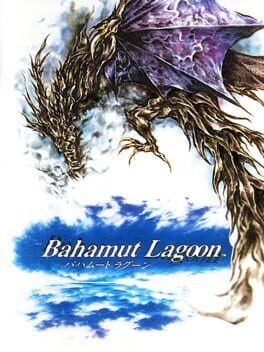
Bahamut Lagoon combines RPG mechanics with squad-based combat. Characters have HP, MP (SP for fighter characters), EXP, equipment, stats and class-specific, SP-draining special elemental abilities very much like traditional console RPGs. The player can explore his surroundings, talk to people and visit shops when not in battle, though to a limited degree as there is no world map and no way to leave the current area. The game's core is its turn-based battles fought on a 2d grid. Characters are assembled into parties of four and the player allowed a maximum of six parties, which are usually well outnumbered. The two opposing sides act in alternating turns so that each party can move once and/or attack once a turn. Attacks are divided into distant and close-up combat. In the former, a party uses a special ability (e.g. casting fireballs, throwing lightning, healing allies) of one of its members at a distance. The range and possible area of effect damage vary per ability. If the attacking party has two or more characters with the same ability, they join in the action to multiply its effectiveness. Distant combat results in less money and generally less damage, but the target cannot retaliate. Distant attacks can also affect the field; fire and ice ignite or extinguish forests and melt or freeze ice, etc. Close-up, each unit in two adjacent opposing parties can act once. Very much like Final Fantasy SNES combat, they can attack an enemy, use an item or a special ability (though these can't be combined and most only affect one target instead of all) or defend. Dragons are the player's ace in the hole. They have their own stats and gain experience like normal characters do. In battle, each party has a dragon attached to it and draws a large portion of its strength from that of its dragon: if a party's dragon is slain, the party will lose the ability to use special attacks and class-specific abilities for the remainder of the map. The beast acts as a very powerful autonomous unit that moves after its party does and it cannot be controlled beyond very simple commands, e.g. "Come!" Out of battle, dragons will eat anything and raising them by feeding them items is an important part of the game. Feeding can improve their stats as well as affect their behavior on the field, and the dragons develop into new forms as they grow. The player can change the characters in each of the parties, their formation as well as what dragon represents them at will.
Fighting / Strategy / Turn-based strategy (TBS) / Action
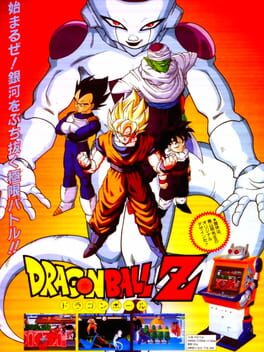
Dragon Ball Z is a fighting game designed and manufactured in Japan by Banpresto in 1993. The game's cabinet is shaped like a robot with markings similar to Goku's gi (suit). The game features large sprites and a color palete that is identical Toriyama's water color scheme in the manga. The environments are semi destructible as chunks of wall or ground could be destroyed. The controls are unique as most of the characters movements are flight related. The playable characters are Goku, Super Saiyan Goku, Gohan, Vegeta, Piccolo, Frieza, Captain Ginyu, Recoome, and Burter.

Role-playing (RPG) / Strategy / Action
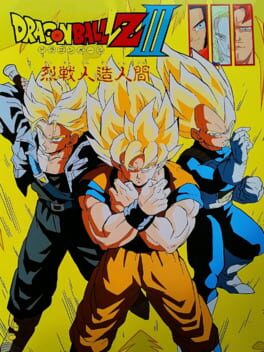
Dragon Ball Z III: Ressen Jinzou Ningen is the sequel of Dragon Ball Z II: Gekishin Freeza. The game starts off in the Frieza Saga as Super Saiyan Goku fighting Frieza, and it ends in the Imperfect Cell Saga in the battle of Piccolo against Imperfect Cell. The game also features characters from the movie Dragon Ball Z: Cooler's Revenge. It is the first game in the Gokuden series where power levels are not stated.

Role-playing (RPG) / Turn-based strategy (TBS) / Card & Board Game / Action
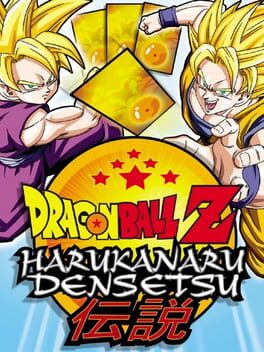
Dragon Ball Z: Harukanaru Densetsu is a card based role-playing video game for the Nintendo DS. The game takes place from the beginning of the Saiyan Saga to the end of the Cell Saga. Players choose from one of the four main character, Goku, Gohan, Piccolo, and Vegeta. Other characters also appear, but only as either enemies or support cards.

Role-playing (RPG) / Turn-based strategy (TBS) / Adventure / Action / Fantasy
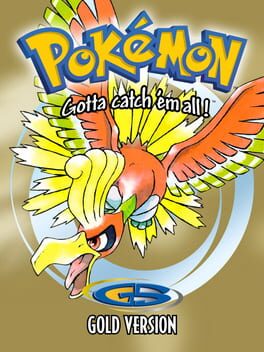
Pokémon Gold, along with Pokémon Silver, are the sequels to Pokémon Red and Blue. They offer 100 new Pokémon to capture and train, 8 more Gyms to take on and a new Pokémon League challenge. Featuring an expanded post-game, Pokémon Gold and Silver additionally offer extra content from the previous entries in the series.

Role-playing (RPG) / Turn-based strategy (TBS) / Adventure / Action / Fantasy
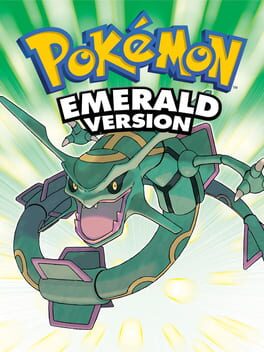
Pokémon Emerald Version is a sister game to Pokémon Ruby and Sapphire. Emerald Version provided the main storyline with more depth and length, as well as making small aesthetic changes to the world and adding unique animations for each Pokémon.

Role-playing (RPG) / Turn-based strategy (TBS) / Adventure / Fantasy / Open world
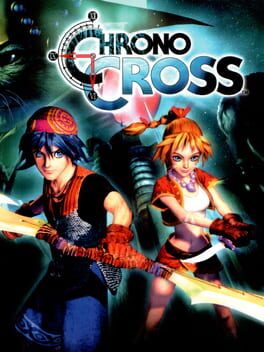
CHRONO CROSS, the sequel to the SNES favorite CHRONO TRIGGER, is one of the most ambitious role-playing games ever made. There are over 40 playable characters, each with their back-story, special moves, abilities, and weapons. The story spans two discs and follows the story of Serge, a young man who is able to cross dimensions. Suddenly he is pulled between worlds, trying to figure out his own past at the same time. The graphics are bright and beautiful, utilizing the PlayStation's capabilities to the fullest. The polygonal character models are huge and detailed, and the pre-rendered backgrounds are immaculately detailed. The music is composed and arranged by Yasunori Mitsuda, and features very realistic-sounding synthesizers. The battle system revolves around Elements, which are used to grant magical powers, as well as to summon huge monsters. For anyone that wanted to see the story of CHRONO TRIGGER continue, this is your chance.