

Developed by Yuke's for Titus Software.
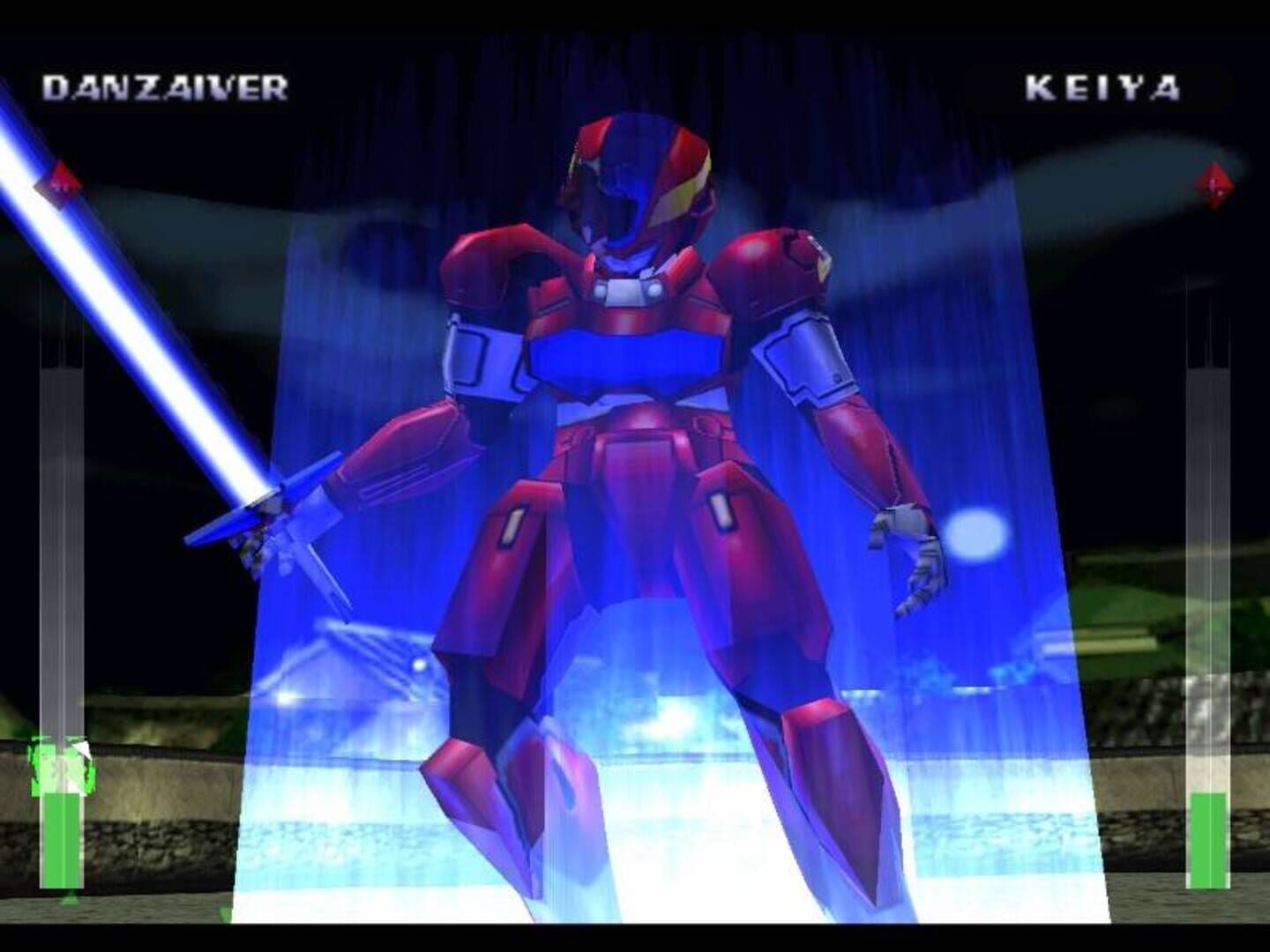
Evil Zone or Eretzvaju (封神領域エルツヴァーユ Fūjin Ryōiki Erutsuvāyu) is a fighting game released for the PlayStation console. It was developed by Yuke's Future Media Creators and published by Titus Software in 1999. The player can choose from ten characters to fight in several game modes including story mode, arcade mode, versus mode, practice and survival mode. The story mode is a unique aspect to the game and sets it apart from other fighting games. Each character has a unique story mode which progresses like an ongoing television program, complete with episode names and previews with voice acting. As the mode progresses, you learn more about the character's backstory and why they are fighting, an incentive to play through the game with each character. Evil Zone is also one of the few games to feature a fully fleshed out story mode for its boss character.
The storyline of the game tells of a being known as Ihadurca, a powerful being who can exist in multiple dimensions at one time. Through heavy cost, the inhabitants of the world of I-Praseru (Happy Island) were able to temporarily confine Ihadurca in a dimension known as Evil Zone. Now, a tournament is being held to select the strongest warrior throughout the dimensions to destroy Ihadurca before she can escape from Evil Zone and threaten the world once more.
Fighting / Arcade / Action / Fantasy
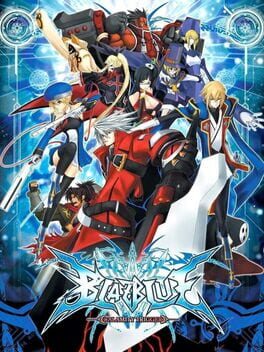
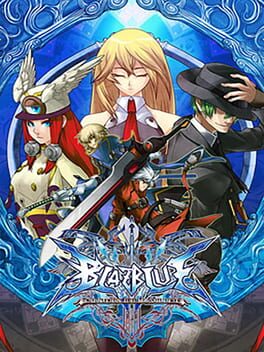
BlazBlue: Calamity Trigger is a fighting game developed by Arc System Works in 2008 and is the first game in the BlazBlue series. The game was originally developed for Japanese arcades and later received console and PC ports. The game is a traditional 2D fighter where two characters participate in a duel. Every character has a weak, medium and strong attack, as well as an "unique" technique, called a Drive attack, which is different for each character. Various combos can be performed by every character through careful input of regular and Drive attacks.

Fighting / Arcade / Action / Fantasy
BlazBlue: Continuum Shift is a fighting game developed by Arc System Works as a direct sequel to BlazBlue: Calamity Trigger. BlazBlue: Continuum Shift retains the traditional 2D fighter gameplay of two characters participating in a duel on a two dimensional plane and features a selection of new playable characters.

Fighting / Action / Science fiction
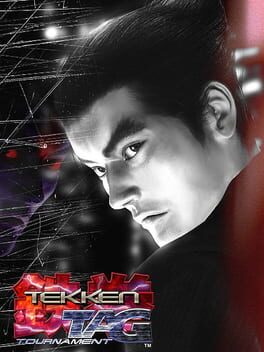
Tekken Tag Tournament is an update of Tekken 3 and is the fourth installment in the popular Tekken fighting game series. It is not canonical to the Tekken storyline however.

Fighting / Sport / Arcade / Action / Horror
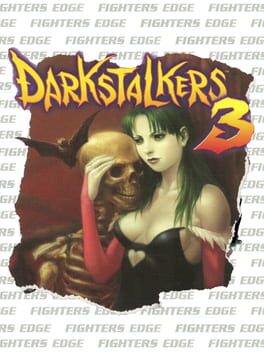
Darkstalkers 3 is the second sequel in the Darkstalkers series of fighting games by Capcom, originally released for the arcades in 1997. The game was originally planned to be released as Darkstalkers: Jedah's Damnation in the United States, but this title was only used in the arcade version. New characters added in this version are Donovan, Huitzil (Phobos in Japan), and Pyron, with hidden characters of Dark Talbain and Oboro Bishamon .

Fighting / Arcade / Action / Science fiction
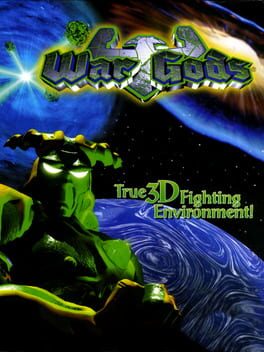
Billions of years ago, a Being from a distant galaxy was transporting a precious cargo of life giving Ore. The turbulent formation of our solar system caused his ship to crash, scattering Ore over the molten surface of Planet Earth. Through the millennia, Ten Humans came into contact with the Ore and were transformed into super-evolved warriors. These are the WarGods.

The main fighting game is best described as a polygonal Marvel vs. Capcom game, with some notable differences. Control wise, the game varies from other Capcom fighting games by only having four buttons (two punches and two kicks, which is closer to the SNK game format) rather than the standard six. A player chooses a team of two characters, and fights against another two character team. The actual fights, however, are one-on-one fights, with the partner only participating by being called in when a player has enough 'vigor' for a Team Up attack, done by pressing a punch and kick button of the same pressure. The Team Ups would be some kind of double team attack by the character and partner, or (for most female characters' Team Ups) would heal the main character or give them more vigor. After the end of a round, a player (win or lose) has a choice to fight the next round with the partner from the previous round, or to keep their main character in play. The 'vigor' meter (essentially a super meter) could go up to 9 levels, with Team Ups costing two levels and super moves from a single person all costing one level of vigor. Much like the Marvel vs. Capcom games, launchers can be done that allow air combos to be performed, with all characters having universal low and high launchers. The game also had a few defensive techniques. Tardy Counters acted much like Alpha Counters from Street Fighter Alpha, allowing a player to immediately counter-attack from a blocking position. However, the restrictions on Tardy Counters are very lax; any hard normal, special or super attack can be used to Tardy counter (Alpha counters are only limited to certain special moves for each character), and Tardy Counters do not cost any extra vigor to perform (Alpha Counters required at least a level of Super Combo gauge to do). Attack Cancels allowed a player to cancel an incoming hit simply by timing their own hit with the attack, which would cancel out both attacks (though it does not nullify the remaining hits of a multi-hit move). Also, one additional level of vigor is awarded.

Fighting / Real Time Strategy (RTS) / Strategy / Action
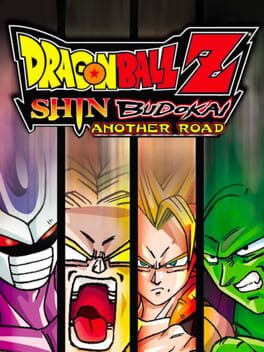
The plot of "Dragon Ball Z: Shin Budokai - Another Road" is a brand-new story revolving around Majin Buu being released in Future Trunks' Alternate Timeline. Like most of the Dragon Ball movies, Another Road is considered a side story to the Dragon Ball series. Gameplay is very similar to the game's predecessor. The controls remain the same, but there are some additional functions that can be used during gameplay. The story mode gameplay features something similar to what was in the other PS2 games, such as flying around.

Fighting / Platform / Hack and slash/Beat 'em up / Action / Science fiction
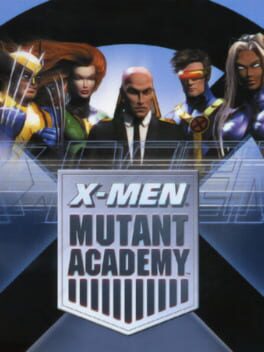
X-Men: Mutant Academy is a 3-D/2D fighting game developed by Paradox, the company behind Activision's Wu-Tang: Shaolin Style and the never-published Thrill Kill, and based on the X-Men characters from Marvel Comics. The game was released for the Game Boy Color and PlayStation as a tie-in to X-Men. X-Men: Mutant Academy is a basic fighting game that uses six buttons: three buttons for punches and three for kicks. Due to the success of the game, it was followed by two sequels: X-Men: Mutant Academy 2 and X-Men: Next Dimension. The game's characters can be played both with their comic book costumes and their costumes from the 2000 film X-Men. Characters not present in the film were given costumes of a similar design.