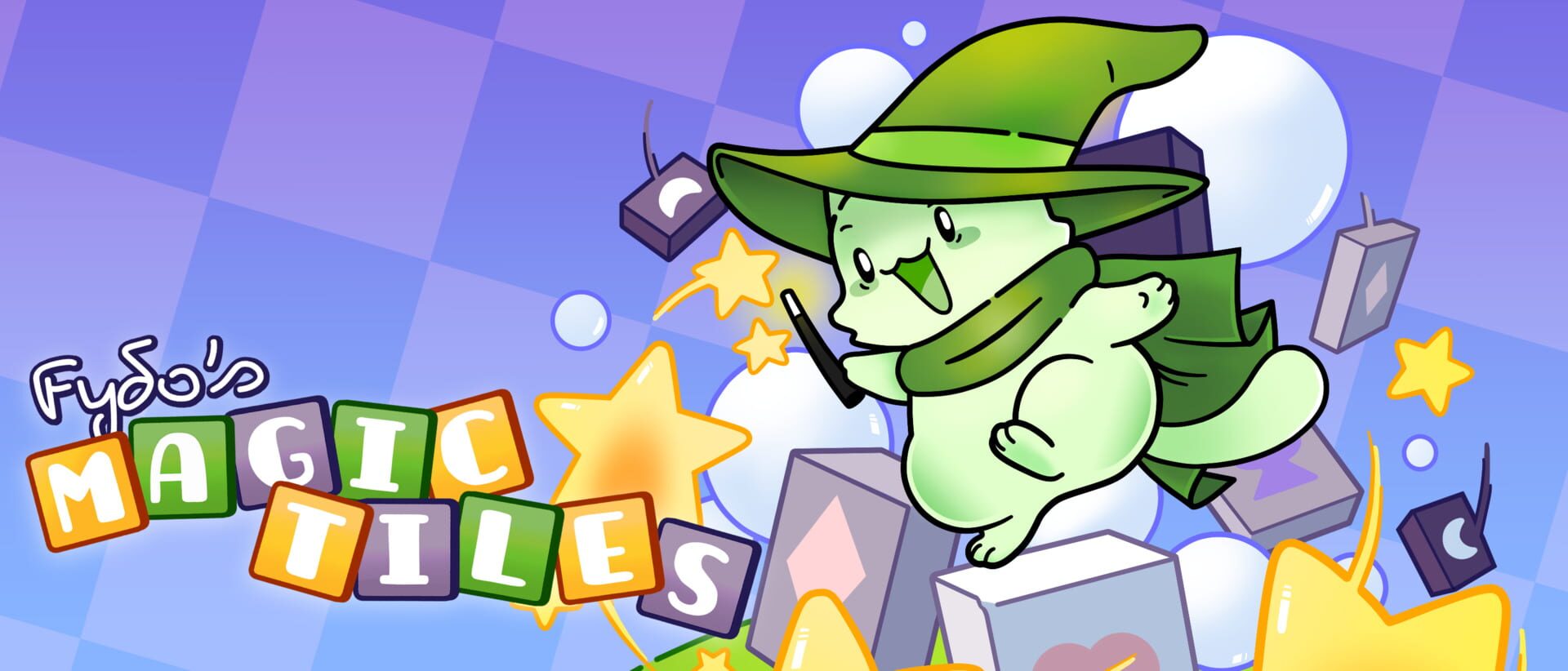
Fydo's Magic Tiles is a match-four action puzzle game for Game Boy and compatible systems. Match at least 4 tiles vertical or horizontal and clear them from the board. Pop magic bubbles with a match right next to them. Match 6 or more to start a combo, and keep matching to get bonus stars! Find and unlock all 17 Star Tiles to complete the game.

Puzzle / Strategy / Arcade / Fantasy / Kids
In the tradition of the Bust-A-Move series, Taito's Bust-A-Move '99 is a traditional puzzle game. The main objective is to destroy or get rid of (by dropping) all the bubbles located within the stage. Once you do this, you'll graduate to the next level. While the premise may sound simple, the logic and execution is not. Using a "bubble shooter", you must aim and shoot your bubbles to the top of the screen so that you can bring three bubbles of the same color together. When you do this, the bubbles will pop. One way to earn points is to have the popping bubbles as well as the bubble that was shot fall off the screen (in multi-player, it puts these bubbles on your opponent's side). This also gives you a lot less bubbles to take care of. Bubbles are constantly falling down. Popping them all in a short amount of time is necessary because the longer it takes you to pop them all, the faster they will drop. If you fail to clear out all the bubbles and they reach the bottom of the screen, the game is over. Bust-A-Move '99 contains some new options never seen in the Bust-A-Move series. There are now special bubbles (star, metal and rainbow to name a few), obstructive bubbles and blocks and new backgrounds. You are also given the opportunity to create your very own stages with the create-a-level editor.


Puzzle / Arcade / Fantasy / Comedy
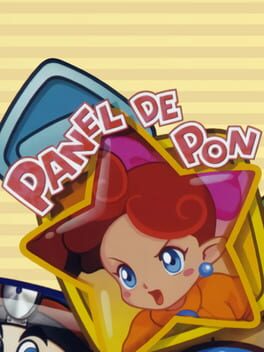
Panel de Pon is a game included in Nintendo Puzzle Collection for the Nintendo GameCube, which is the finished version of the cancelled Nintendo 64 video game Panel de Pon 64. The cancelled version ended up being released as Pokémon Puzzle League, albeit it was rebranded and featured characters from the Pokémon anime instead of the traditional fairies from the Panel de Pon franchise. A Nintendo 64 prototype is known to exist, but it is currently publicly unavailable.

Puzzle / Strategy / Arcade / Action / Fantasy
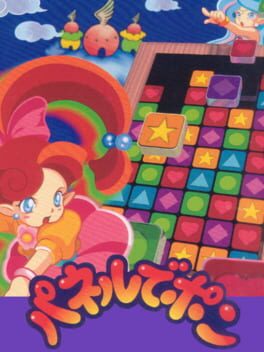
A tile matching puzzle game for the Super Famicom, the first in the Puzzle League series. It was later modified to feature Yoshi and Mario related characters to be released in the western regions, under the name of "Tetris Attack". It was also a downloadable game for the Satellaview that was broadcast in at least 4 runs between November 19, 1995 and January 31, 1998. Although the game was Japan exclusive, it did eventually see releases in the rest of the world in 2020 as part of the Nintendo Switch Online lineup.

Puzzle / Arcade / Action / Fantasy
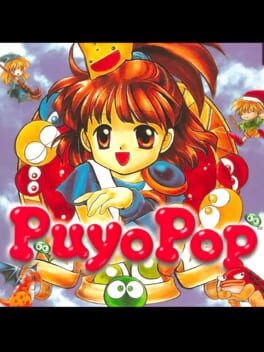
A Neo Geo Pocket port of Puyo Puyo Tsuu, licensed to SNK by Sega, was released in North America and Europe as Puyo Pop. Unlike previous English Puyo Puyo games, the NGPC Puyo Pop retains both the character designs and (almost) all of the character names from the Japanese version. As in the English translations of the first game, Satan is renamed "Dark Prince."

Puzzle / Arcade / Fantasy / Comedy
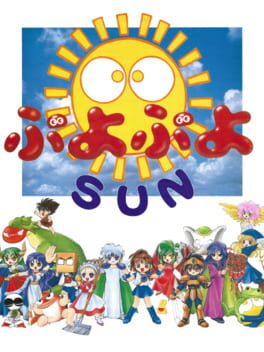
Satan has enlarged the sun in a devious attempt to get a perfect tan. Arle Nadja embarks on a quest to defeat him in this competitive puzzle game. This is the 3rd installment of the Puyo Puyo games series, and the sequel to Puyo Puyo Tsu. After the highly acclaimed success of its predecessor, Compile took a slightly more retro approach, so players had a more original feel to the game over that of Tsu. The name of Puyo Puyo SUN comes from a Japanese pun on san, and also indicates a new Puyo brought into the game. As Sun Puyo were used in this game, and the game itself is not only set on a tropical beach, but is the third in the series (san (三)) is the Japanese word for the number three), the name served multiple purposes. This game was released only in Japan. Following the arcade release, Puyo Puyo Sun was ported to the then-current home consoles. The Saturn version was released merely three months after the arcade release, while the other ports were released in late 1997 and throughout 1998. The Saturn, PlayStation, and Windows 95 versions feature fully voiced cutscenes unlike the original ST-V version.

Platform / Puzzle / Arcade / Action / Fantasy
In the game, each player controls one of the two Bubble Dragons, Bub and Bob. The player can move along platforms, as well as jump to those above and to the side, similar to most platform games. The player can also blow bubbles. These can trap enemies, who are defeated if the bubble is then burst by the player's spiny back. Bubbles that contain enemies can be popped at the same time resulting in different foods being projected around the level. Each enemy trapped in a bubble equates to a different food. Food is consumed and transferred to points (an increasing scale of 1000 points is awarded for each enemy burst in tandem with another meaning: one enemy burst equals one food item worth 1000 points, two enemies burst equals two food items worth 1000 and 2000 points, three enemies burst equals three food items worth 1000, 2000 and 4000 points, and so on), which results in earning lives. These same bubbles also float for a time before bursting, and can be jumped on, allowing access to otherwise inaccessible areas. Players progress to the next level once all enemies on the current level are defeated. Enemies turn "angry" — becoming pink-colored and moving faster — if they are the last enemy remaining, escape from a bubble after being left too long or a certain amount of time has been spent on the current level. A monster will also become angry if either player collects a skull (the only negative item in the game), and the monster is hit by the resulting comet crossing the screen (however, this is a rare occurrence). After a further time limit expires, an additional invincible enemy appears for each player, actively chasing them using only vertical and horizontal movements. These do not need to be defeated to complete the level, and disappear once a player's life is lost. Contact with enemies and their projectiles (rocks, lasers, fireballs, etc.) results in death.