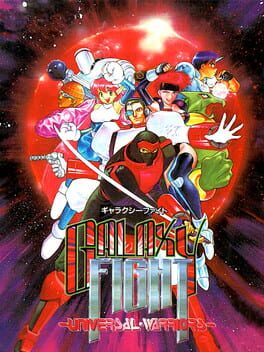

Man and demon wage war with one-on-one fights in the 1-on-1 fighting game Galaxy Fight. Eight of the universe's greatest fighters enter into combat for the fate of the galaxy. Success brings great acclaim to the victor. Failure brings death. Once every 1000 years, a being of divine power takes physical form somewhere in the galaxy. This time, he has taken form on the planet Danius. This being, who refers to itself as "Felden Crayce" is being sought out by fighters across the galaxy to challenge and defeat. Each of these eight warriors have their each with their own reasons for seeking out and fighting this being -- some wish to challenge Felden for pride or fame, some wish to protect their home lands from Felden, and some refuse to explain their reasons until they meet this great force themselves. These eight fighters all have unique abilities and strengths, but only one can be the final victor!
Fighting / Arcade / Action / Science fiction
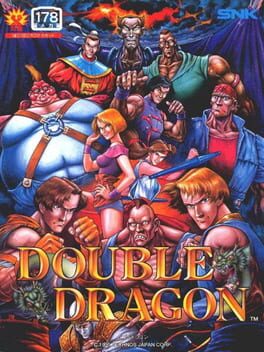
A head-to-head fighting game based on the 1994 Double Dragon movie, the game features a roster selectable which consists of "Double Dragon" alumni Billy, Jimmy, Marian, Abobo and Burnov, as well as 5 original characters as they enter a martial arts tournament to take out evil crime lord of Bloody Town, Koga Shuko. Unique features in the game includes destructible environments and a super move meter which fills out based on how much energy the player has left, giving weaker fighters a handicap. After defeating the default 10 fighters, the player faces Shuko's bodyguard, Duke, before fighting Shuko himself.

Fighting / Action / Science fiction
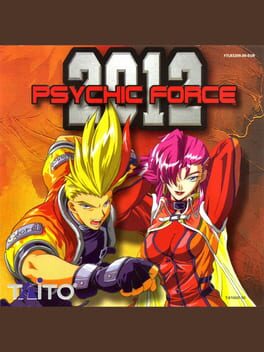
Psychic Force 2012, the sequel to Psychic Force, is a one-on-one fighting game with a twist. The matches take place inside a giant floating cube. You are able to fly, using your psychic abilities, around a 3D arena with six walls. Each of the ten available characters, Might, Regina, Wendy, Emilio, Setsuna, Patty, Gudeath, Genshin, Carlo, and Gates, are controlled with three buttons: guard, weak attack and strong attack. The effect varies with the distance. Next to the regular life meter, there is also a power meter. By using special moves, the meter is drained and your moves are limited. It is possible to recharge, and the capacity of the power meter expands when you lose a lot of health. Additionally, each fighter has its own unique moves, energy attacks and a weapon, which they use, mid-flight, to pummel their opponent. There are three main game modes: training, versus and a story mode using static anime-inspired images and in-engine cut scenes to tell the story. The story centers around two groups of psychics with differing ideals about co-existence with humans. In the middle of this are several neutral psychics with ties to members in either group.

Fighting / Arcade / Action / Science fiction
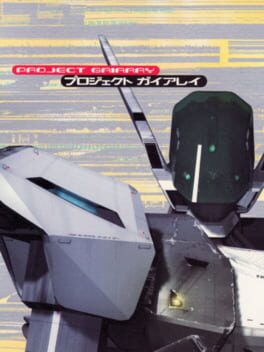
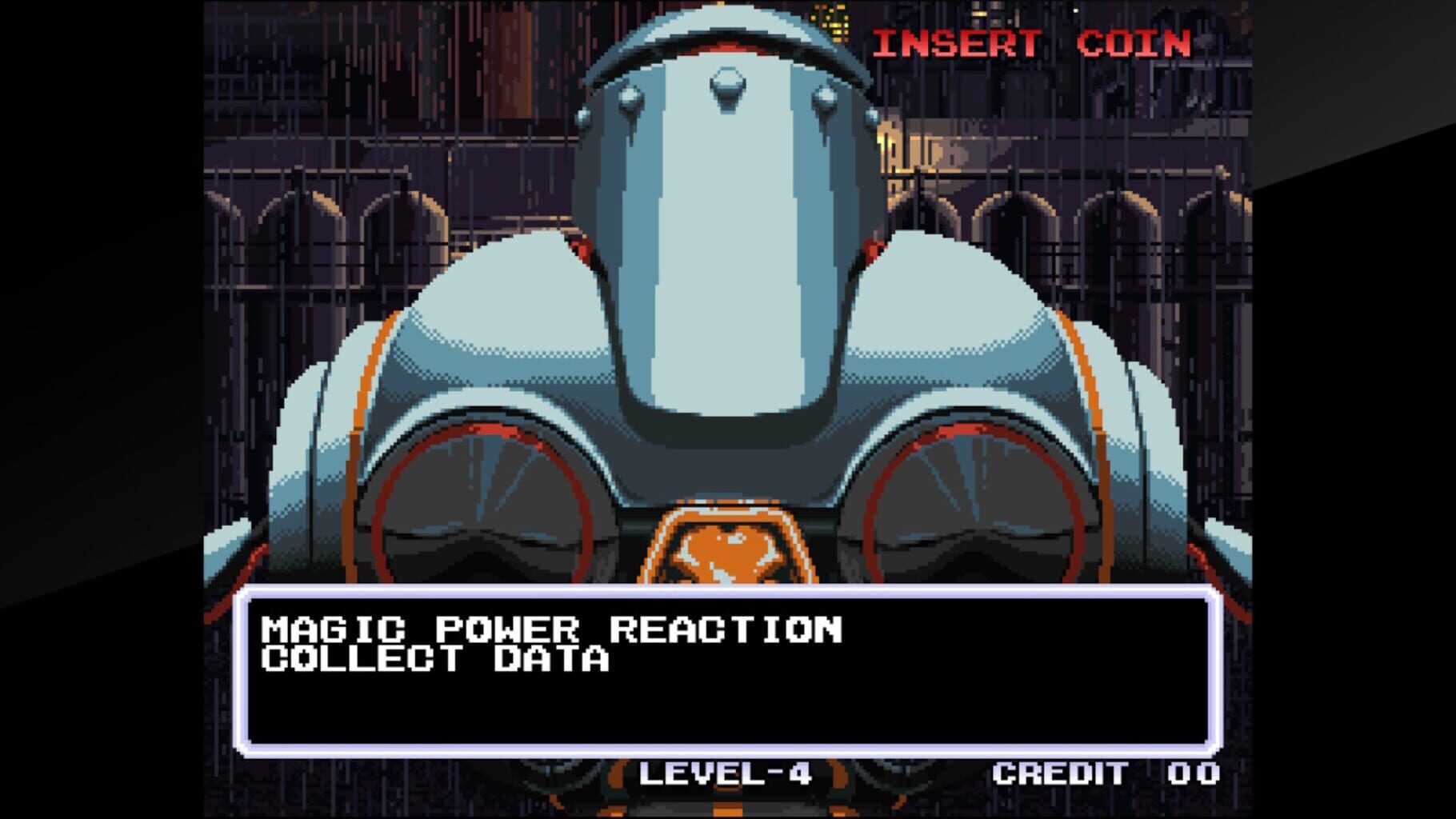
Project Gaiaray is a game similar to Sega's Virtual On, the player can choose between 6 different robots, and them have to fight against other robots in different combat arenas using normal or special attacks.

Fighting / Arcade / Action / Historical
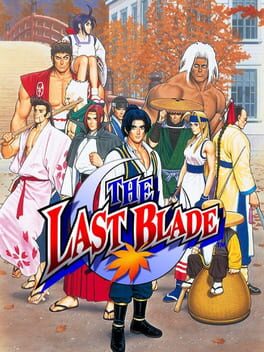
The Last Blade is a fighting game developed and published by SNK and released in arcades in 1997. It is set in a fictional version of late 19th-century Japan and features a roster of sword-wielding characters. The game uses a weapon-based combat system with selectable fighting styles that emphasize speed or power. Its presentation draws heavily on historical themes and traditional Japanese aesthetics.

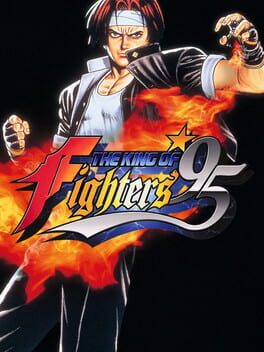
The King of Fighters '95 is a 1995 fighting game produced by SNK for the Neo Geo arcade and home console. It is the sequel to The King of Fighters '94 and the second game in The King of Fighters series. It is also the first game in the series to be ported to other home consoles besides the Neo Geo AES and Neo-Geo CD, with versions released for the PlayStation, Sega Saturn and Game Boy. It was also rereleased in The King of Fighters Collection: The Orochi Saga in 2008 for the PlayStation 2, PlayStation Portable and Wii. The King of Fighters '95 introduces Kyo Kusanagi's rival Iori Yagami, and firmly places Kyo as the main character for the rest of the series. The gameplay of The King of Fighters '95 is essentially unchanged from the previous title, though it does introduce the "team edit" concept which would remain as a standard feature of the series. Using the "team edit" feature, it is possible to create a totally customized team using any of the available fighters, or use one of the default teams if you wish.

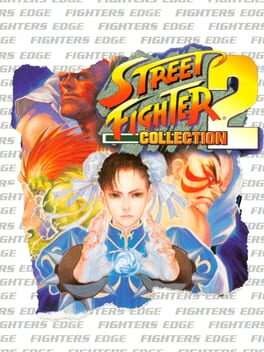
Capcom Generations: Street Fighter Collection 2 contains the first three versions of the original Street Fighter II. Some minor changes are made to gameplay, compared to the arcade versions of the games. A Collection mode is also featured where the player can view strategies, character profiles and artwork specific to each game, some which become available after meeting certain requirements. Capcom Generations 5: Street Fighter Collection 2 includes: - Street Fighter II: The World Warrior - Street Fighter II: Champion Edition - Street Fighter II Turbo: Hyper Fighting

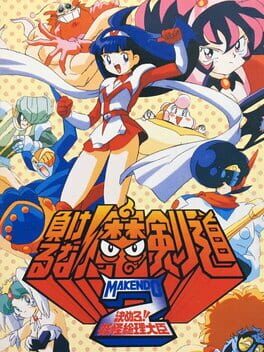
Makenko used to be a normal boy—until he was kidnapped by the brain monster Dr. Mud and transformed into a cyborg capable of destroying both the monster and human worlds! On his quest for vengeance, he is inadvertently joined by Makendo, a fellow monster hunter who would prefer not to be, and her little sister Hikari who would like nothing better! Dastardly demons and wacky monsters abound as the trio fight the bad guys to kick some monster butt, and get Makenko's body back!

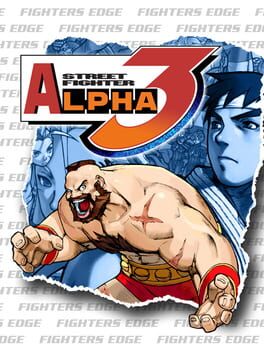
The PlayStation port of Street Fighter Alpha 3 has added new characters to the roster, including Juli, Juni, Balrog, Dee Jay, Fei Long and T. Hawk. They come with new portraits and their own scenarios. Guile, Evil Ryu and Shin Akuma have also been added as secret characters that can be unlocked through World Tour mode, a mode that allows players to strengthen and customize the fighting style of their chosen character while traveling the world.