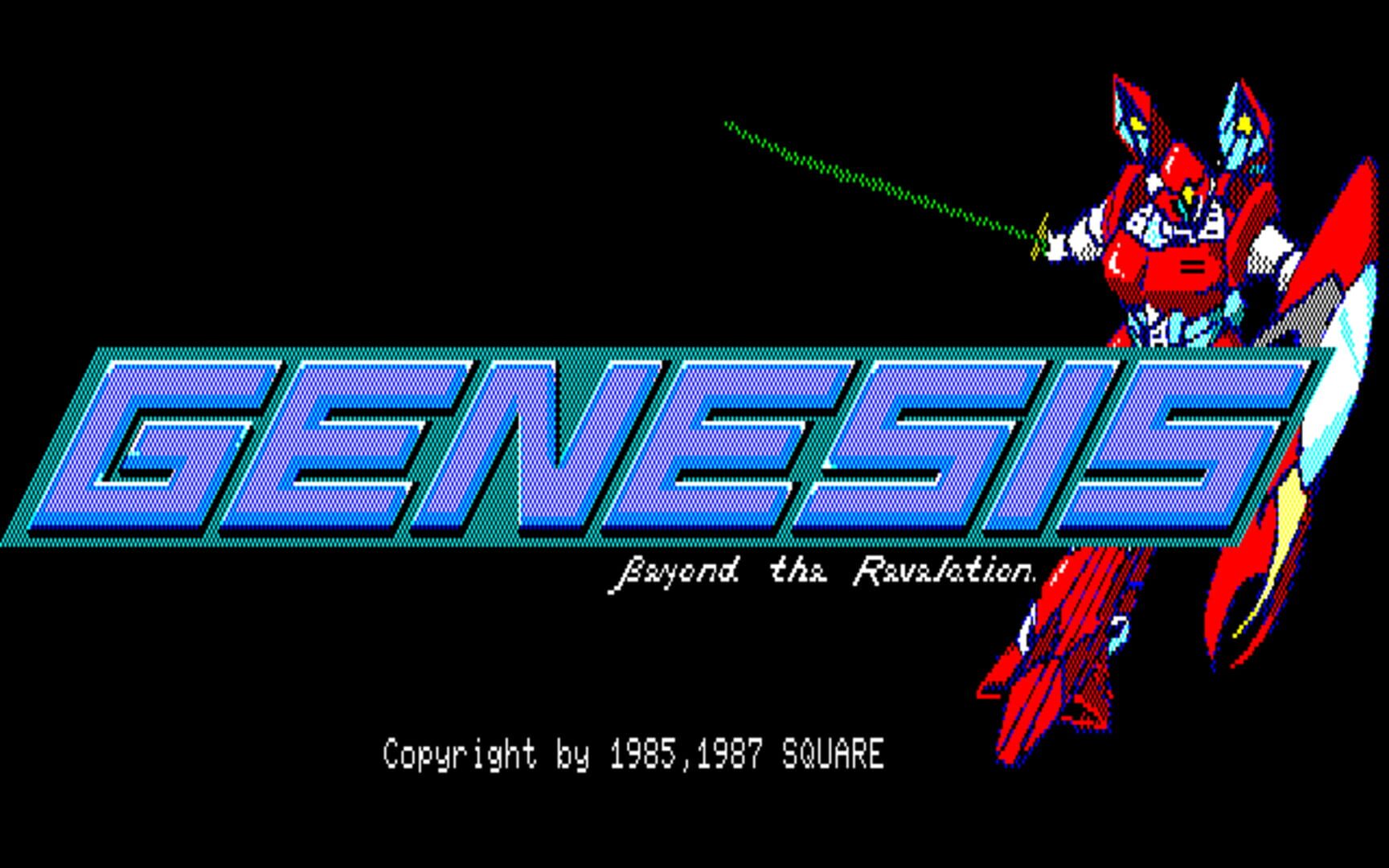
Squaresoft's first RPG, this was an early futuristic sci-fi RPG for the PC-8801 and PC-9801 computers, featuring a post-apocalyptic setting and isometric, tactical turn-based battles.
Featured in
Squaresoft's first RPG, this was an early futuristic sci-fi RPG for the PC-8801 and PC-9801 computers, featuring a post-apocalyptic setting and isometric, tactical turn-based battles.
Strategy / Tactical / Fantasy / Science fiction
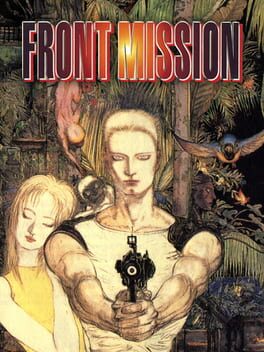
Front Mission is the first main entry and the first entry overall in the Front Mission series. Front Mission is part of a serialized storyline that follows the stories of various characters and their struggles involving mecha known as wanzers.
Role-playing (RPG) / Simulator / Strategy / Science fiction
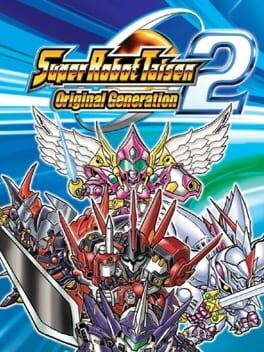
The battle rages on! Peace slowly settles over the planet Earth after a brutal war against the alien armada. However, the world is not able to rest for long, as new forces emerge and threaten to bring Earth to it's knees once again. Use all the cunning and tactical skill you have to command the best and brightest mech pilots the world has ever seen in saving humanity from enemies bent on dominating the human race - or worse, annihilating it's very existence. * Multiple branching pathways provide 50+ hours of strategy RPG gameplay! * New allies, new enemies, and new mechs! * Enhanced animations showcasing more extreme attacks!
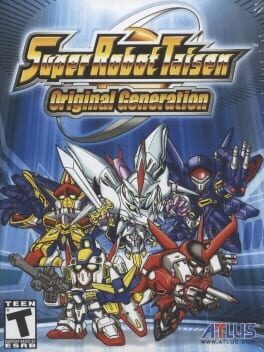
Role-playing (RPG) / Simulator / Strategy / Science fiction
It is two hundred years after the beginning of the "Space Era", a time period when civilization began expanding into space. However, by the start of the 21st century, two meteors struck and destroyed much of the Earth, sending humanity into chaos. By year 179 of the Space Era, secret technology, dubbed Extra-Over Technology, or EOT, was discovered by the Earth Federal Government within a third meteor that had hit Earth at the Marquesas Islands in the South Pacific. Dr. Bian Zoldark, while investigating the meteor, also found out that the creators of the Extra-Over Technology were heading to Earth to reclaim it. In order to defend earth, the government starts to develop a group of humanoid mecha, known as Personal Troopers. The alien race that created Extra-Over Technology, called the Aerogaters by the Earth Federal Government, initially attacks an Earth ship sent out to investigate their presence in the far reaches of the solar system. This initial skirmish ends in a defeat for the Aerogaters, prompting them to sue for negotiations with the Earth Federation Army. Talks are arranged to take place at a secret facility in Antarctica, but the talks are targeted by a rogue faction called the Divine Crusaders. The Divine Crusaders destroys the Aerogater delegation, then turn on the Federation forces. Bian Zoldark, revealing himself to be the leader of the Divine Crusaders, announces the existence of the Aerogaters to the world and rebel against the Earth Government. As Earth spins into civil war, a new Aerogater force is on the move, seeking to reclaim their lost technology...
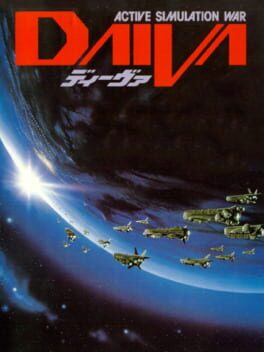
Strategy / Action / Science fiction
A sci-fi action-strategy game released in Japan in 1986 for the NES, developed by T&E Soft and published by Toshiba EMI. It's part 6 of a long-running series, though the only one to be released on the NES.
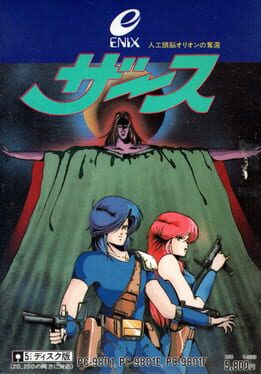
Adventure / Visual Novel / Action / Science fiction
In the 21st century, powerful computer systems were invented. but humanity failed to control them. Near the end of the century, one such computer system, the weapon system Orion, triggered a devastating nuclear war, bringing the human race close to extinction due to the nuclear fallout. The remaining human survivors find shelter and go into a cryogenic sleep. Waking up 100 years later, they go out onto the surface, to face a new, unknown world...
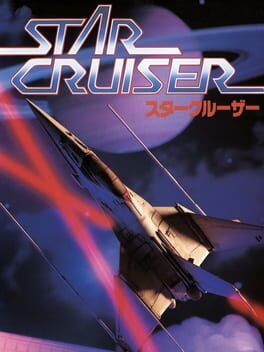
Shooter / Role-playing (RPG) / Simulator / Action / Science fiction
An early first-person role-playing shooter released by Arysis Software for the PC-88 and PC-98 in 1988, and later ported to the Sharp X68000 and Mega Drive/Genesis. Ahead of its time, it had 3D polygon graphics, FPS gameplay, strafing controls, open-world space exploration, and an epic sci-fi space opera plot.
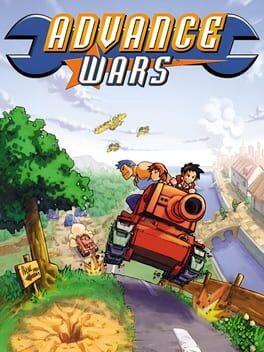
Simulator / Strategy / Turn-based strategy (TBS) / Action / Science fiction
Just because this battle fits in the palm of your hand doesn't mean the stakes are small. On the contrary, this all-or-nothing fight will have you accessing guns, grenades, launchers, and weaponry of all sorts. Players assume command of an army that's out to reclaim a world that's been broken up by warring factions. The battle map is essentially a grid, and moving units is like moving chess pieces on a board -- each of the units can move a specific amount of spaces within this grid, and can only attack at a certain distance from specific enemies. Advance Wars features more than 115 maps, a map editor, head-to-head play via link cable, and an easy-to-understand tutorial mode for beginners.
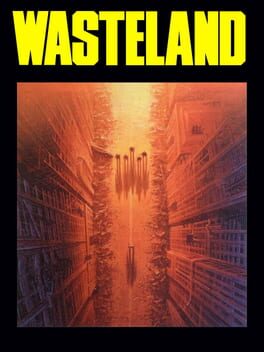
Role-playing (RPG) / Turn-based strategy (TBS) / Adventure / Science fiction / Survival
The game mechanics were based directly on those used in the tabletop role-playing games Tunnels and Trolls and Mercenaries, Spies and Private Eyes created by Wasteland developers Ken St. Andre and Michael Stackpole. Characters in Wasteland consequently have various statistics (strength, intelligence and luck among others) that allow them to use different skills and weapons. Experience is gained through battle and through use of skills. The game would generally let players advance with a variety of tactics: to get through a locked gate, a player could use his picklock skill, his climb skill, or his strength attribute; or he could force the gate with a crowbar - or a LAW rocket. The initial band of Desert Rangers encountered a number of NPCs as the game progressed who could be recruited into the party of up to seven. Unlike those of other computer RPGs of the time, these NPCs might temporarily refuse to give up an item or perform an action if ordered to do so. The game was also noted for its high and unforgiving difficulty level and for such combat prose as "reduced to a thin red paste" and "explodes like a blood sausage", which prompted an unofficial PG-13 sticker on the game packaging in the United States. Wasteland was one of the first games featuring a persistent world, where changes to the game world were stored and kept. Returning to areas later in the game, one would find them in the state one left them in, instead of being reset to their original state, as was common for games of the time. Since hard drives were still rare in home computers in 1988, this meant the original game disk had to be copied first, as the manual instructed one to do.