
Madou Monogatari III: Kyuukyoku Joou-sama is a Sega Game Gear sequel to Madou Monogatari II: Arle 16-Sai.
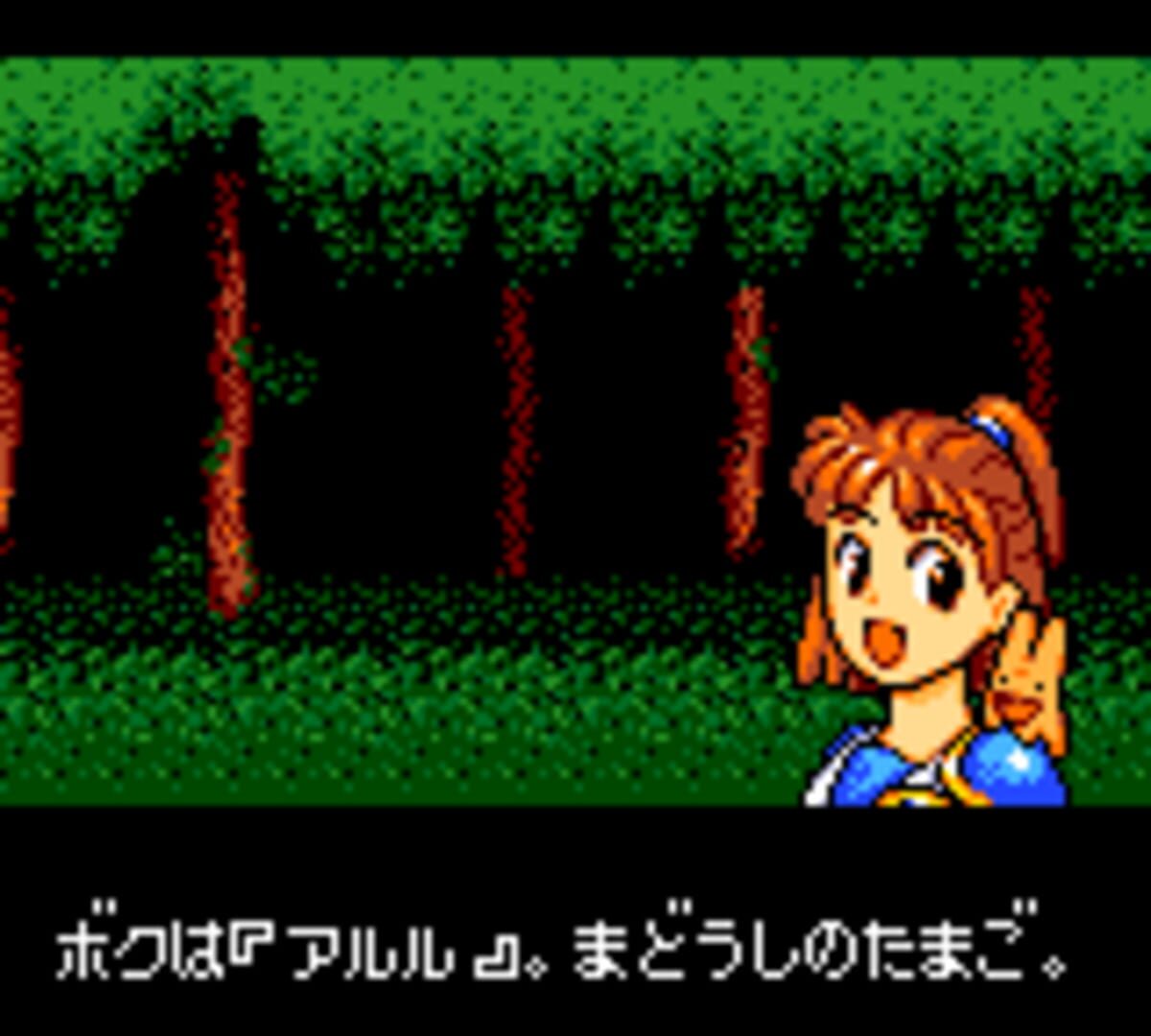
3 takes place not too long after 2. Rulue recognizes Carbuncle and becomes upset - she is convinced that Satan chose to marry Arle. Arle is clueless about her jealousy and thus takes her casually, but Rulue summons Minotauros to chase her into a forest. Arle manages to escape out of the forest dungeon but her hands are torn and bloody due to frostbite caused by overusing 'Ice Storm'. She finds a pharmacy in town and requests the merchant for medicine that can rid of the frostbite. However, he tells her that the raw materials to make it are in Mokemoe Labyrinth, which has recently been rampant with monsters. Rulue sends Minotauros to fight Arle, but Arle defeats him, ending the game. This plot-point was entirely removed in the Game Gear version and replaced with an entirely different story. A frog follows Arle around on her adventure, you get a new pink armor along with a powerful staff, fight an Egyptian Guardian, Carbuncle gets sick, Arle travels to space to cure him, Minotauros is only the third boss (the second being a super form of Draco Centauros) and Rulue is the final boss instead. After Arle defeats them, she figures out that Rulue was the one who had unleashed monsters throughout Mokemoe Labyrinth. Rulue claims that the area belonged to her and that the townspeople were roughing it up. Arle continues to object that people cannot gain the raw materials, and Rulue shows no care for it. Instead Rulue tries to make a deal, that she goes to the same Magic School as Arle and learn to be a wonderful mage and impress Satan. Agreeing to the deal, Rulue orders Minotauros to get up and prepare to leave. Arle's frostbite is cured and says "Two dogs and two men, were heading to the Magic School". As she, Rulue, Minotauros, and Carbuncle look in one direction. Thus ending the trilogy. In the Game Gear version, though, Rulue still is angered by her defeat. The frog appears, turning out to be Satan the whole time, and tells them that he wanted Arle as his wife and everything was a plan of his. They both send him flying, unimpressed and annoyed. The ending remains the same except without Carbuncle and Minotauros.
Role-playing (RPG) / Adventure / Action / Fantasy
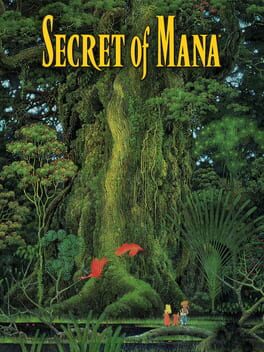
Initially released in Japan in 1993, Secret of Mana took the world by storm with its innovative real-time battle system and gorgeously rendered world. It continues to stand out among other action RPGs for its seamless gameplay that anyone from beginner to veteran can enjoy. One of the most memorable elements of the Mana series is the Ring Command menu system. With the single press of a button, a ring-shaped menu appears on the screen, where players can use items, change weapons, and do a variety of other actions without needing to switch screens. This Ring Command menu system for which the Mana series is so well known was first introduced in Secret of Mana and has since appeared in most games in the series. Play as Randi and his two companions, Primm and Popoi, as they adventure all around the world. At the center of our epic story is the mystical power of Mana. Battle the empire in its quest for control of Mana. Befriend the eight elementals who wield the forces of nature itself. Numerous encounters await at every turn.

Role-playing (RPG) / Turn-based strategy (TBS) / Adventure / Fantasy
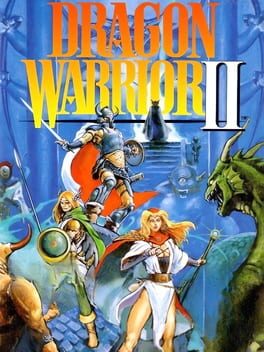
Dragon Warrior II is an early top-down RPG that expands and improves on its predecessor. Unlike the first game, Dragon Warrior II allows the player to join forces with two other characters, a magic-using princess and a wizard-warrior prince. Also including expanded monster battles involving up to 6 creatures and a much larger world, Dragon Warrior II is an important step in the evolution of the Dragon Warrior series.

Role-playing (RPG) / Strategy / Tactical / Fantasy / Comedy
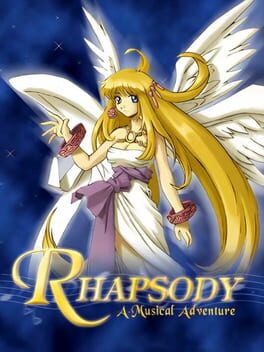
Rhapsody: A Musical Adventure, released in Japan as The Puppet Princess of Marl Kingdom is a tactical role-playing game for the PlayStation from Atlus USA and Nippon Ichi Software, the creators of Disgaea, and is part of the Marl Kingdom series. Rhapsody, along with its sequels, are considered musical RPGs, meaning in place of FMV cutscenes, there are musical numbers, complete with vocals. The game is also known for its "overwhelming cuteness" and low level of difficulty. Although this may make the game seem geared towards a younger audience, in Japan, the game and series in general has seen much success.

Role-playing (RPG) / Strategy / Adventure / Fantasy / Comedy
Saturn and PlayStation game based on the hit anime series.

Role-playing (RPG) / Simulator / Adventure / Action / Fantasy
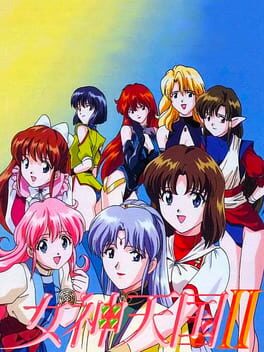
Megami Paradise 2 is a sequel to Megami Paradise released by PC Engine in 1994. Megami Paradise was an RPG game, but Megami Paradise 2 is a battle simulation game.

Point-and-click / Role-playing (RPG) / Adventure / Fantasy / Horror
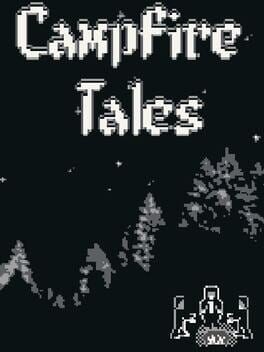
This 8bit game is a port from a mystery source...This casual, linier, interactive story game centers around a campfire with old friends telling... tales.

Role-playing (RPG) / Strategy / Adventure / Fantasy / Comedy
Port on the Nintendo DS, the gameplay has been changed significantly, and the battles are presented in 2D strategy-RPG type identical to the game's sequels. Kururu also engages in battle and the characters sprites are different in this version of the game.

Role-playing (RPG) / Adventure / Visual Novel / Action / Fantasy
Dragon Knight II is the predecessor to Knights of Xentar, the only Dragon Knight game that was ever translated into English. This is a first-person game that is mainly dedicated to dungeon exploring. Takeru has to explore the three dungeons, fighting enemies and sometimes talking to dungeon inhabitants. The enemies are the girls who were turned into monsters by Mesaana. In town, Takeru can also buy weapons, armor, and items, and talk to various people.