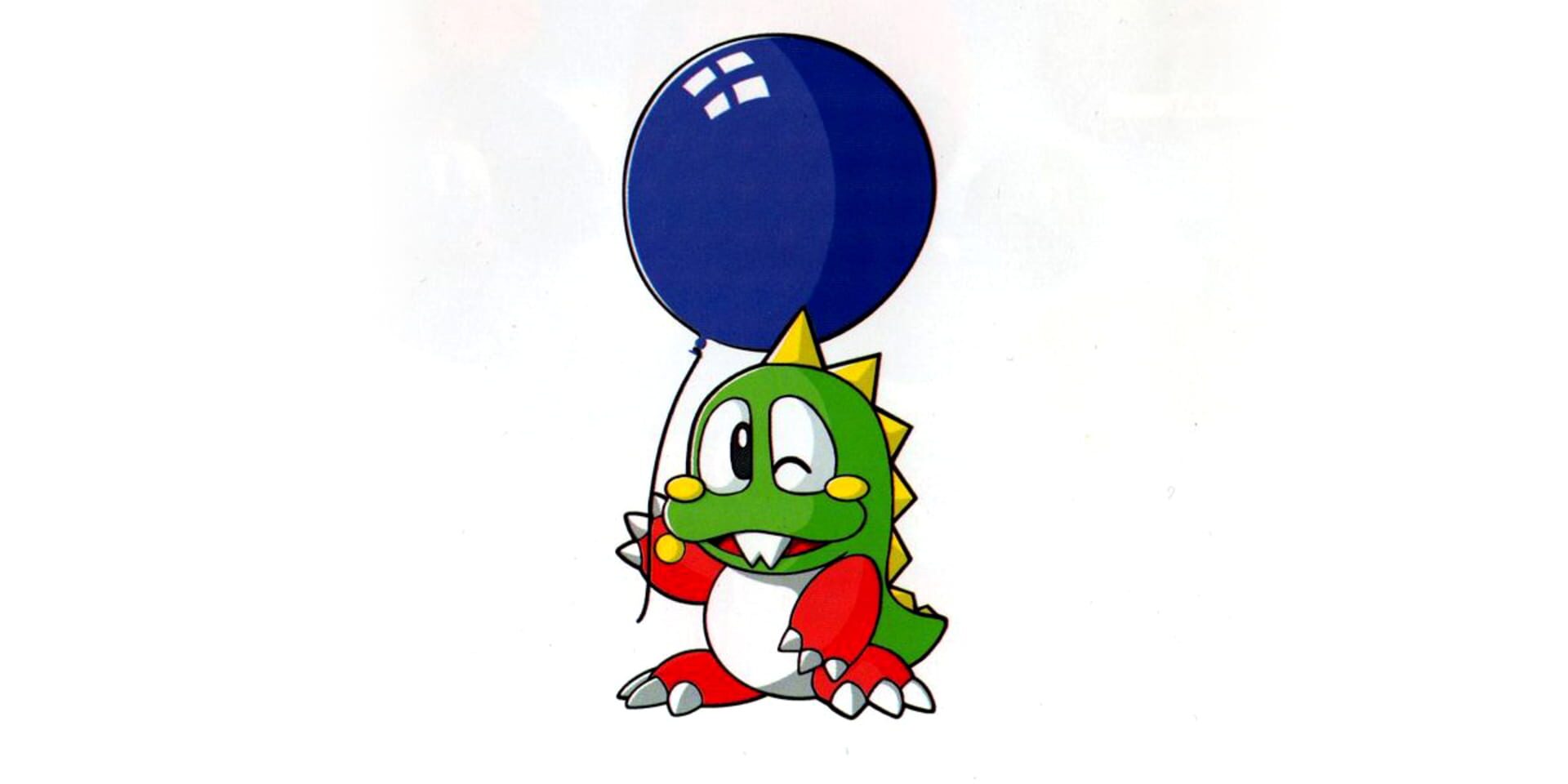
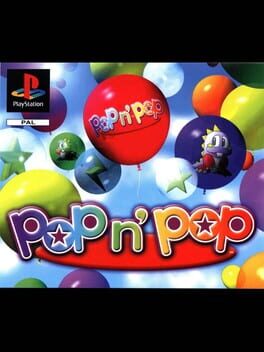

Pop'n Pop is a puzzle game similar to Puzzle Bobble; the player's goal is to release colored bubbles from the bottom on the screen within a limited amount of time, trying to match three or more bubbles of the same color. The difference in this version is that bubbles cannot bounce on the walls; the player can only release them vertically. The game features characters from various Taito games, such as Bub and Bob from the Bubble Bobble series, Tiki from The New Zealand Story, the dwarves from Doko Doko Don, and others.

Platform / Puzzle / Adventure / Action / Comedy
Disney's Atlantis: The Lost Empire is an action-adventure game based on the 2001 animated film. Players follow Milo Thatch and the expedition searching for the lost city of Atlantis, controlling several members of the crew across 12 levels. Gameplay combines platforming, combat, environmental puzzles, swimming, and vehicle sequences, with different characters providing abilities needed to overcome specific obstacles.

Puzzle Bobble 4 (also known as Bust-a-Move 4 in North America and Europe) is the third sequel to the video game Puzzle Bobble and is the final appearance of the series on the Arcade, PlayStation and Dreamcast. The game is also the final title to be recognizably similar in presentation to the original. Building upon the success of Puzzle Bobble 3, the game adds a pulley system that requires two sets of bubbles, attached to either side of a rope hanging across two pulleys. The game contains a story mode for single player play. In total, the game features 640 levels. The console version features a level editor to either create and save a level, set a succession of levels, or to create an unlimited amount of extra levels and stages. It also has an alternative "story mode".

Bub and Bob are back! Like in Tetris in reverse, you shoot bubbles at an array of different-colored bubbles stuck in an ever descending ceiling, attempting to match them up three by three to make them disappear. This edition contains both puzzle challenges, multiplayer and normal progressive stages.

Puzzle / Strategy / Arcade / Fantasy / Kids
In the tradition of the Bust-A-Move series, Taito's Bust-A-Move '99 is a traditional puzzle game. The main objective is to destroy or get rid of (by dropping) all the bubbles located within the stage. Once you do this, you'll graduate to the next level. While the premise may sound simple, the logic and execution is not. Using a "bubble shooter", you must aim and shoot your bubbles to the top of the screen so that you can bring three bubbles of the same color together. When you do this, the bubbles will pop. One way to earn points is to have the popping bubbles as well as the bubble that was shot fall off the screen (in multi-player, it puts these bubbles on your opponent's side). This also gives you a lot less bubbles to take care of. Bubbles are constantly falling down. Popping them all in a short amount of time is necessary because the longer it takes you to pop them all, the faster they will drop. If you fail to clear out all the bubbles and they reach the bottom of the screen, the game is over. Bust-A-Move '99 contains some new options never seen in the Bust-A-Move series. There are now special bubbles (star, metal and rainbow to name a few), obstructive bubbles and blocks and new backgrounds. You are also given the opportunity to create your very own stages with the create-a-level editor.

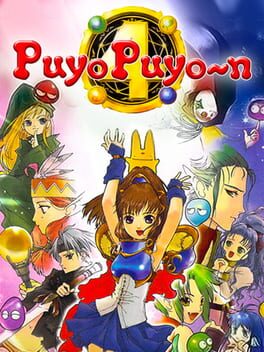
This game was released only in Japan. It is the fourth game in the Puyo Puyo series and the last set during the Madou-era in the main series. Continuing the trend of naming the games after puns, the name comes from a pun on "yon", the Japanese word for the number 4, but this time this is the only reference to the pun. The gameplay in is similar to that of Puyo Puyo 2, but adds super attacks. Clearing chains now builds up a "charge meter" which allows players to use them. The only other addition was a new game mode which could be played with a number of different field sizes, smaller or bigger than the standard 6x12, however, it removes several game modes that were present in Puyo Puyo Sun, i.e. the tournament, task and chain training modes. The art is also vastly different to the previous game in the series and, of course, the Fever series; this style was only otherwise used for Minna de Puyo Puyo.

Puzzle / Strategy / Card & Board Game / Comedy / Kids
"GORYUZIN ELECTRO" is a board game acknowledged for its quality by the Good Toy Committee in Japan in 1997. Based on the legend of the dragon, you have to compete connecting special frames and see to what extend can you proceed into your opponent's territory. No matter how many times you play, it is a fun game for everyone. The gameplay is difficult to explain, the goal of the game is to use all of the player pieces or use the ones that the player needs to reach to other part of the board, (for example the player starts in the bottom of the screen and have to reach the top) the harder part is to that before the opponent do it, both players compete to use their pieces to create obstacles that avoid the opponent to reach the other side, using the opening (that is too the closing piece) to close the line and get a point (or more depending of the pieces used). The game got a challenging gameplay but the difficulty level is really hard.

Platform / Puzzle / Adventure / Fantasy
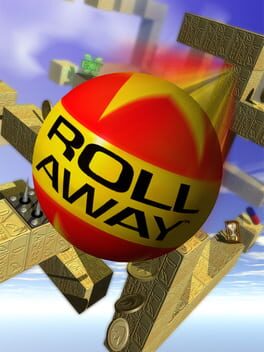
Roll Away is a 3D platform puzzle video game which places the player in control of a Kula beachball. The main objective of the game is to collect keys which unlock the level exits, as well as coins and jewels along the way. The game makes use of alternative physics, changing the direction of gravity as the ball moves.