
Super Nintendo Entertainment System / Super Famicom / Sega Mega Drive/Genesis
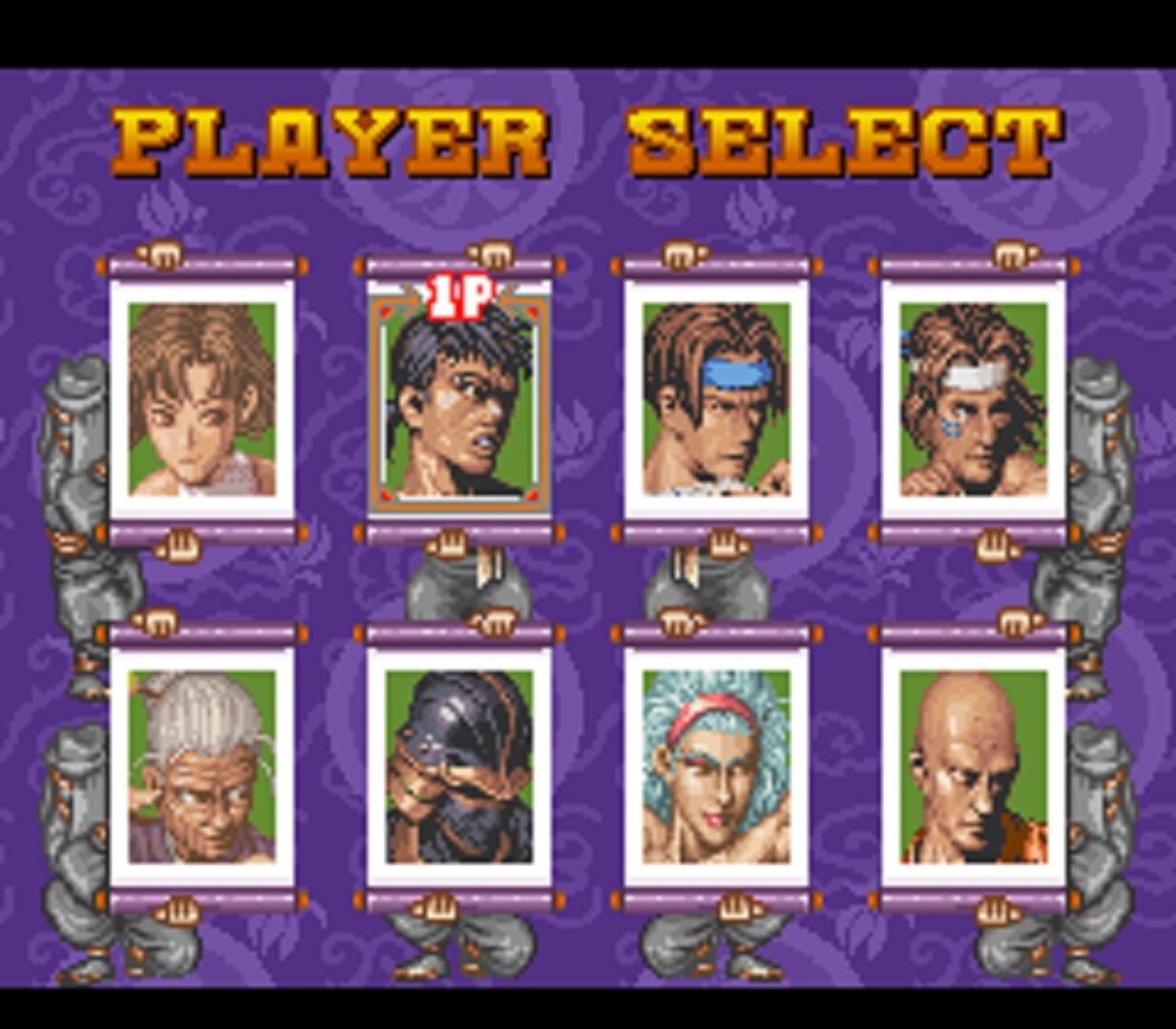
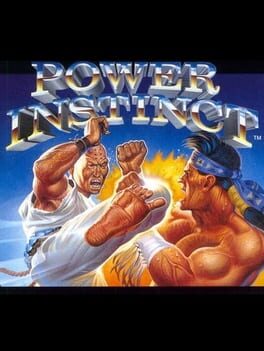
The console version of Power Instinct released on the Super Nintendo and Super Famicom. There are various minor features removed from the Super Nintendo release of the game. A Japanese exculsive Sega Mega Drive version was also released with minor changes and an extra game mode. Power Instinct is a one-on-one 2D fighting game in the tradition of Street Fighter 2, in which you select your character from a group of unique fighters and attempt to defeat your opponents in successive fashion using your arcade reflexes and your character's unique moves. Features 8 selectable characters, plus a boss character, and single or 2-player Vs gameplay. Also includes a practice mode, battle mode and time attack and life attack modes for extended gameplay.
The time has come for the Gouketsuji clan to celebrate their fighting tournament. Every 5 years the clan (which has spread all over the world) celebrates a one-on-one fighting tournament to see which family gets to rule and now you get to take part in the contest.
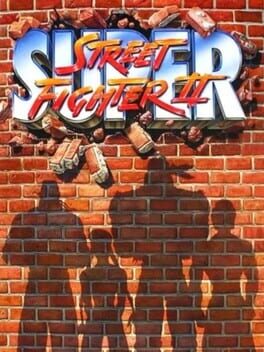
The 16-bit conversion of Super Street Fighter II, while featuring graphical and sound concession compared to the arcade version, features game-play largely the same as the original, including the new game-play modes, and selectable game speed brought over from Turbo.

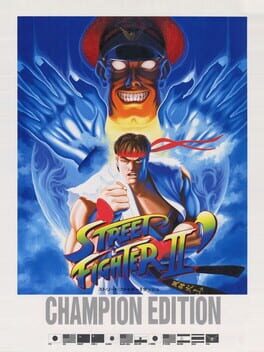
Street Fighter II: Champion Edition is a competitive fighting game released for the arcades by Capcom in 1992. It was the first of several updates to the original Street Fighter II: The World Warrior. The main changes consisted of adding the Grand Masters (the final four computer-controlled opponents in single-player mode) as playable characters and mirror matches (same character vs same character). The fighting techniques of the eight main characters from the original game were also further refined to allow for more balanced competitive play. The Champion Edition was followed by Street Fighter II' Turbo: Hyper Fighting, released several months later.

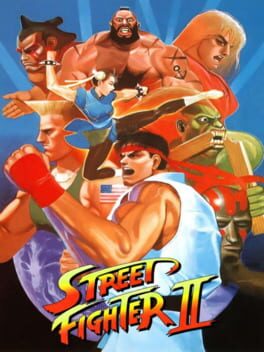
Street Fighter II for the Super Nintendo Entertainment System is a home console port of Capcom’s arcade fighting game. It retains the one-on-one fighting structure, eight playable World Warriors, four boss opponents, and special-move system from the arcade version. The port adapts the arcade game for the SNES/Super Famicom hardware, with reduced animation, altered audio, and some presentation changes. Unlike most earlier home computer conversions, it is a relatively close version of the arcade game, using the console’s six-button controller layout to reproduce the original punch and kick controls more directly.

Fighting / Sport / Arcade / Action
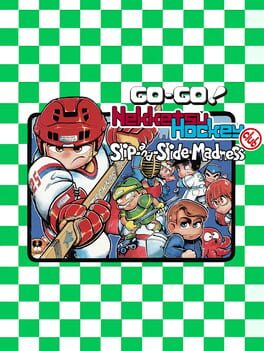
Hey there, this is the Nekketsu High School Paper. Our own Kunio has become famous as a leader. With him we won both the dodge ball and soccer championships. They competed and won at the world stage, it is truly amazing. But did you know, Nekketsu High also has an ice hockey club? Sadly, our team is very weak... We probably won't even make the playoffs in the next national championship. Perhaps Kunio can lead our ice hockey team to victory as well. With him, would it become a successful team, or still be in the minor leagues? Passionate ice hockey spirit! Good luck everyone! The game was originally released as Ike Ike! Nekketsu Hockey Bu: Subette Koronde Dairantou, but has since been localized as Go-Go! Nekketsu Hockey Club Slip-and-Slide Madness.

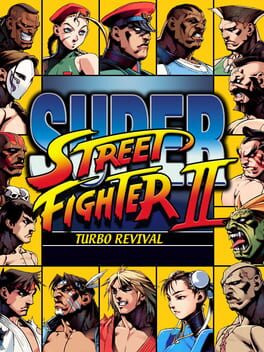
Capcom's timeless Street Fighter masterpiece conquers the Game Boy Advance system. Choose from over 16 brawlers from the Street Fighter universe and execute special moves, and super combos to wreak havoc on your opponent and become the best street fighter in the world. Lightning fast animation, unbelievable graphics and Capcom's signature gameplay make Super Street Fighter II Turbo the most respected fighting game of all time.

Fighting / Hack and slash/Beat 'em up / Adventure / Action
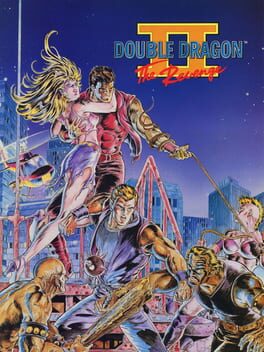
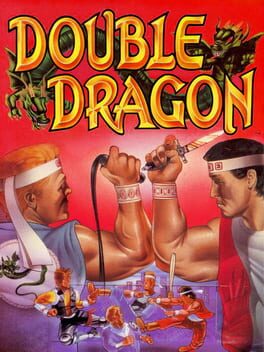
Technōs created once again a vastly different experience with Double Dragon II on the NES. The experience system was dropped, but the moveset still underwent a few changes. The elbow attack and turning jump kick are gone, but with the standard kick directed backwards they seemed a bit redundant anyway. There are two new ways to make enemies in a grapple suffer, elbow smashes to the head, and a high kick to propel them away. In the brief time window when the Lee brothers are crouching after a jump or after getting knocked down, it’s possible to perform a rising uppercut or a knee jump attack. The timing for these isn’t easy, but they are the most powerful moves in the game. On the NES, Double Dragon II is a much more innovative and unique sequel than in the arcade, but it marks also the time Double Dragon started its schizophrenic shifting between wildly different tones and gameplay styles. In a way it’s one of the best games to bear the Double Dragon name, but it’s hard to shake the feeling that Technōs had already started to loose a cohesive vision of what it meant to be Double Dragon, both in tone and in gameplay.

Fighting / Hack and slash/Beat 'em up / Arcade / Action
The NES version of Double Dragon takes a wide range of liberties with the interpretation. The entire graphical style is more in line with Technōs’ Kunio-kun series, with characters that go for exaggerated expression rather than gritty realism. The biggest change, however, was reserved for the moveset. You start the game with only the punch, kick and headbutt available – all the other moves are obtained via an RPG-lite style experience system. Hitting enemies is now rewarded with a certain amount of experience points depending on the attack, and each time the counter goes above 999, you’re awarded an additional heart, which extends the range of possible actions. Two hearts add the uppercut and roundhouse kick combo finishers, and with three Billy can perform the jump kick maneuver. The fourth heart unlocks access to grappling moves.

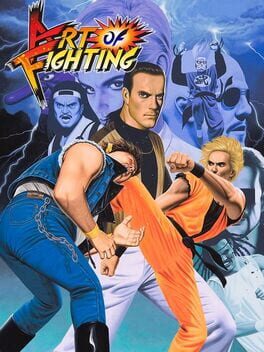
This fighting game began the story of the Sakazaki family and Robert Garcia. Yuri Sakazaki has been abducted by Mr. Big to punish her father, Takuma, and her brother, Ryo. To rescue her, Ryo and Robert must take on numerous enemies around South Town, eventually reaching the mysterious Mr. Karate. The passion of the game’s creators is evident in the unique game play elements introduced. These include an energy gauge that is depleted every time a fighter uses a special maneuver, Desperation Attacks that are usable only when a fighter’s health is low, and camera zooming that adjusts on the fly as fighters move around the stage. All these features ensure that players use strategy and tactics, rather than simply mash buttons. Adding to the mix are little touches such as characters showing cuts when they are injured and voice-over samples during cut scenes. Can you perfect the art of fighting and save Yuri?