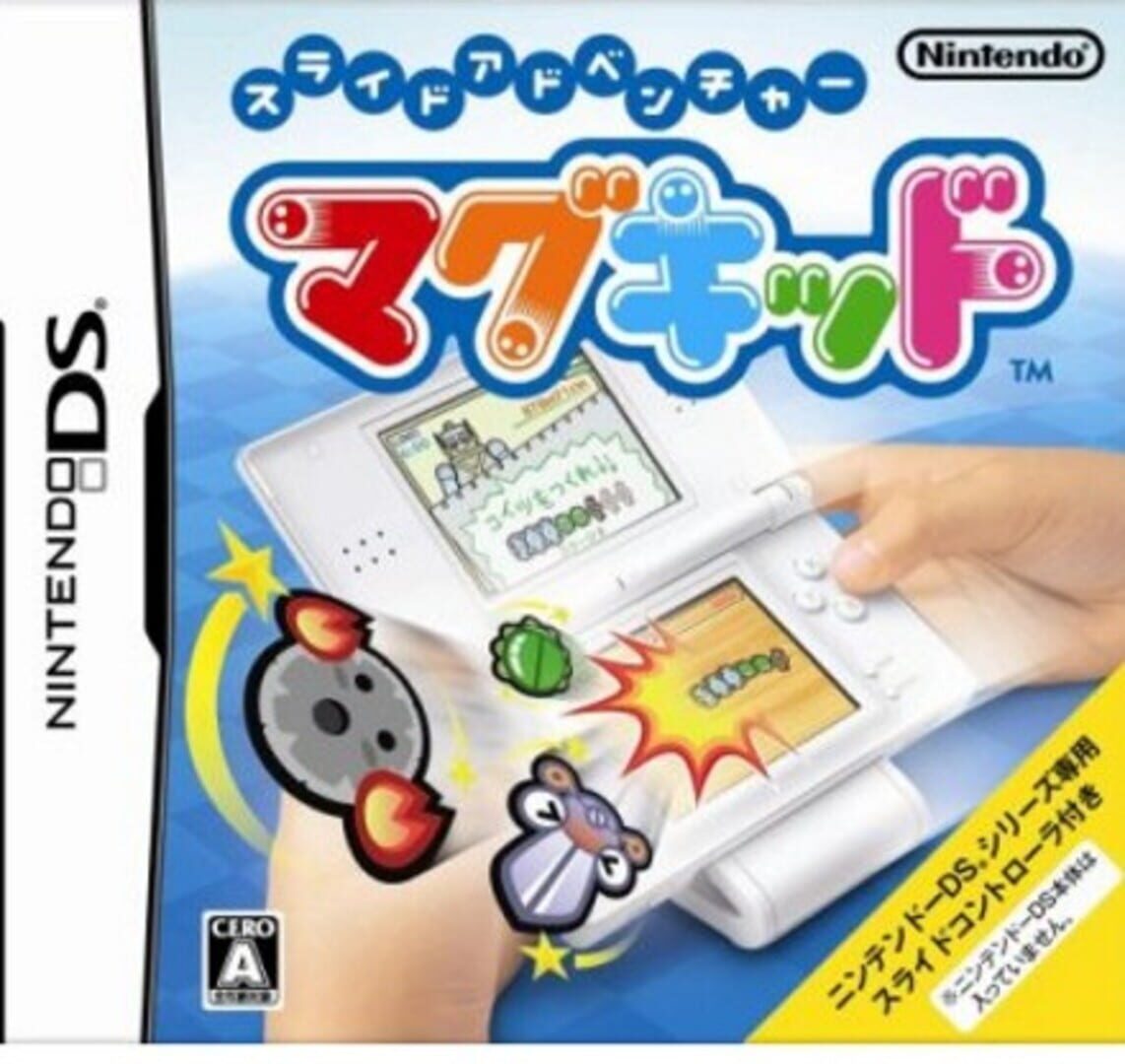
On a dark night, a lightning storm struck the house and brought to life all kinds of strange creatures. It also brought to life a fridge magnet called Mag Kid. The game was mentioned in the Super Smash Bros. series as the officially romanized title of "Slide Adventure: MAGKID"

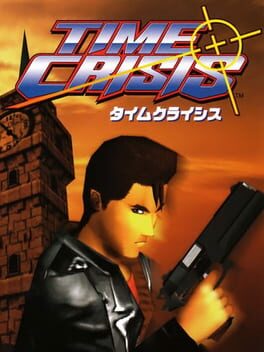
Time Crisis is a light gun shooter arcade game released by Namco in December 1995. It was later ported for the PlayStation in 1997, bundled with the Guncon light gun controller. Time Crisis is a three-dimensional first-person rail shooter similar to Virtua Cop and The House of the Dead installments, in which the player uses a light gun to fire at on-screen enemies. Time Crisis is best known for its cover system, in which players can duck behind cover to avoid enemy fire and reload their weapons. There are three stages, each consisting of three areas and a boss battle. The unique features are described below. A foot pedal that performs multiple functions: when the pedal is released, the player takes cover to conserve hit points while reloading the gun. While the pedal is released, the player cannot attack. In console conversions, a button command replicates the foot pedal's functions. The player loses a life if he/she is hit by a direct bullet or obstacle whilst not taking cover, with the game ending if he/she loses all lives. A light gun (introduced in Point Blank), which utilized a special memory chip to synchronize areas of the screen's image as the player rotated the gun around. The light gun also features a blowback function, which simulates real-life gun recoil. A countdown timer, recharged by clearing an area of enemies. As running down the clock causes an instant game over, the player must take risks, shooting enemies rapidly and hiding only when necessary. A time extension is rewarded when an area is passed, and there are also time bonuses awarded for shooting certain enemies quickly. The PlayStation port features an exclusive side-story mode, in which the player's performance, such as how quickly he can clear an area, affects the path he takes through the game, resulting in multiple possibilities.

Shooter / Arcade / Action / Science fiction
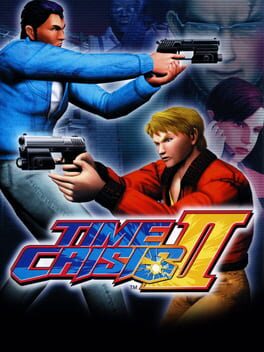
Time Crisis II is a light gun arcade game and the second installment in the Time Crisis series. It introduces co-operative multiplayer to the franchise. The game was first released in arcades in April 1998, with an enhanced port released on the PlayStation 2 in October 2001, bundled with the GunCon 2 controller.

Fighting / Role-playing (RPG) / Action / Science fiction
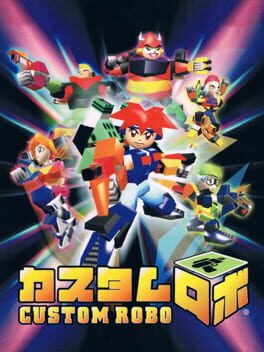
Custom Robo is sort of a sci-fi action take on Nintendo's own collect-and-battle style Pokemon titles. In the game's story mode, you slip into the role of a young boy who has just built his very own toy robot who goes by the name of Ray. Together with your cousin, you head down towards Robo Station to take part in a giant Custom Robo battle championship that takes place in the local Holosseum. The ultimate goal is to improve your skills so that you can defeat the champion Custom Robo builder of them all, Mamoru. Gameplay involves robo customization and frantic action battles in confined 3D arenas. Followed by a sequel.

Role-playing (RPG) / Strategy / Turn-based strategy (TBS) / Action / Fantasy
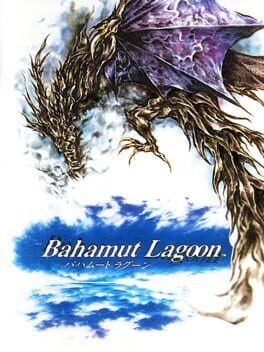
Bahamut Lagoon combines RPG mechanics with squad-based combat. Characters have HP, MP (SP for fighter characters), EXP, equipment, stats and class-specific, SP-draining special elemental abilities very much like traditional console RPGs. The player can explore his surroundings, talk to people and visit shops when not in battle, though to a limited degree as there is no world map and no way to leave the current area. The game's core is its turn-based battles fought on a 2d grid. Characters are assembled into parties of four and the player allowed a maximum of six parties, which are usually well outnumbered. The two opposing sides act in alternating turns so that each party can move once and/or attack once a turn. Attacks are divided into distant and close-up combat. In the former, a party uses a special ability (e.g. casting fireballs, throwing lightning, healing allies) of one of its members at a distance. The range and possible area of effect damage vary per ability. If the attacking party has two or more characters with the same ability, they join in the action to multiply its effectiveness. Distant combat results in less money and generally less damage, but the target cannot retaliate. Distant attacks can also affect the field; fire and ice ignite or extinguish forests and melt or freeze ice, etc. Close-up, each unit in two adjacent opposing parties can act once. Very much like Final Fantasy SNES combat, they can attack an enemy, use an item or a special ability (though these can't be combined and most only affect one target instead of all) or defend. Dragons are the player's ace in the hole. They have their own stats and gain experience like normal characters do. In battle, each party has a dragon attached to it and draws a large portion of its strength from that of its dragon: if a party's dragon is slain, the party will lose the ability to use special attacks and class-specific abilities for the remainder of the map. The beast acts as a very powerful autonomous unit that moves after its party does and it cannot be controlled beyond very simple commands, e.g. "Come!" Out of battle, dragons will eat anything and raising them by feeding them items is an important part of the game. Feeding can improve their stats as well as affect their behavior on the field, and the dragons develop into new forms as they grow. The player can change the characters in each of the parties, their formation as well as what dragon represents them at will.
Role-playing (RPG) / Adventure / Action / Science fiction
Mother 1+2 is a compilation of the first two installments of the Mother series, MOTHER and MOTHER 2: GIYGAS STRIKES BACK! (known outside Japan as EarthBound Beginnings and EarthBound, respectively). Mother tells the story of Ninten, a 12-year-old boy who journeys around the world using his psychic powers to collect eight melodies in order to save the planet from an evil race of mind-controlling aliens. Mother 2 tells the story of Ness, a young boy who journeys around the world also using psychic powers to collect eight melodies in order to save the future from an alien of pure evil, intending to sentence all of reality to the horror of eternal darkness. The version of Mother included in this bundle has a special item that can be used to change the difficulty of the game, since it lessens the amount of random encounters and modifies the overall status of the enemies.

Role-playing (RPG) / Adventure / Action / Fantasy
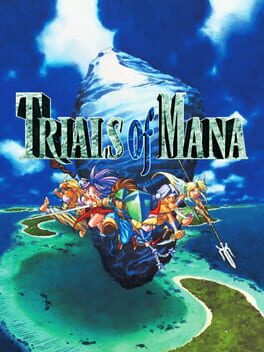
Trials of Mana is the third installment of the Mana series, developed by Square under the direction of series creator Koichi Ishii. The game takes place in a new world where, once again, the Mana Tree is under threat from an ancient evil thought sealed away. Players choose three from among six heroes as the chosen wielder of the Mana Sword and their two companions on the journey to claim the holy blade and preserve what remains of the Mana power.

Shooter / Action / Science fiction
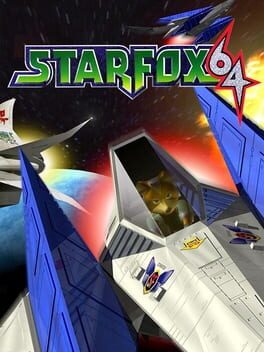
The update to the 16-bit Super NES title continues the original's on-rails 3D shooting action on the Nintendo 64. Starring Fox McCloud, Peppy Hare, Falco Lombardi, and Slippy Toad, this new 64-bit version contains 15 plus levels, easy, medium, and difficult paths, forward-scrolling levels as well as full 3D realms, and a three-part multiplayer mode using a four-player split screen. In addition to plenty of Arwing action, the game introduces a new hover tank and even features a submarine level. The 8-megabyte cartridge also boasts voice samples from 23 different characters instead of the original's animal noises. Star Fox 64 was the first game to feature Rumble Pak support. A Rumble Pak bundle and standalone version of the game were sold. Released in Europe under the name Lylat Wars.

Role-playing (RPG) / Adventure / Action / Fantasy
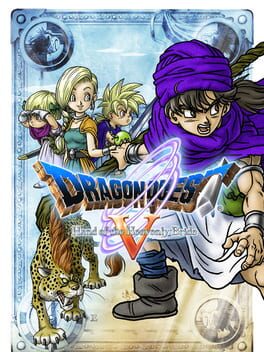
Dragon Quest V uses basic role-playing video game mechanics seen in the rest of the series, which includes leveling up by gaining experience points through battle, first person turn-based battles, and equipping weapons and armor. Something new to the Dragon Quest series is the ability to tame monsters into the player's party. The monsters can be used in battle and level-up like the human characters. Monsters sometimes request to join the Hero after battles if the party is strong enough. There are a total of 71 monsters that are capable of joining the Hero's party