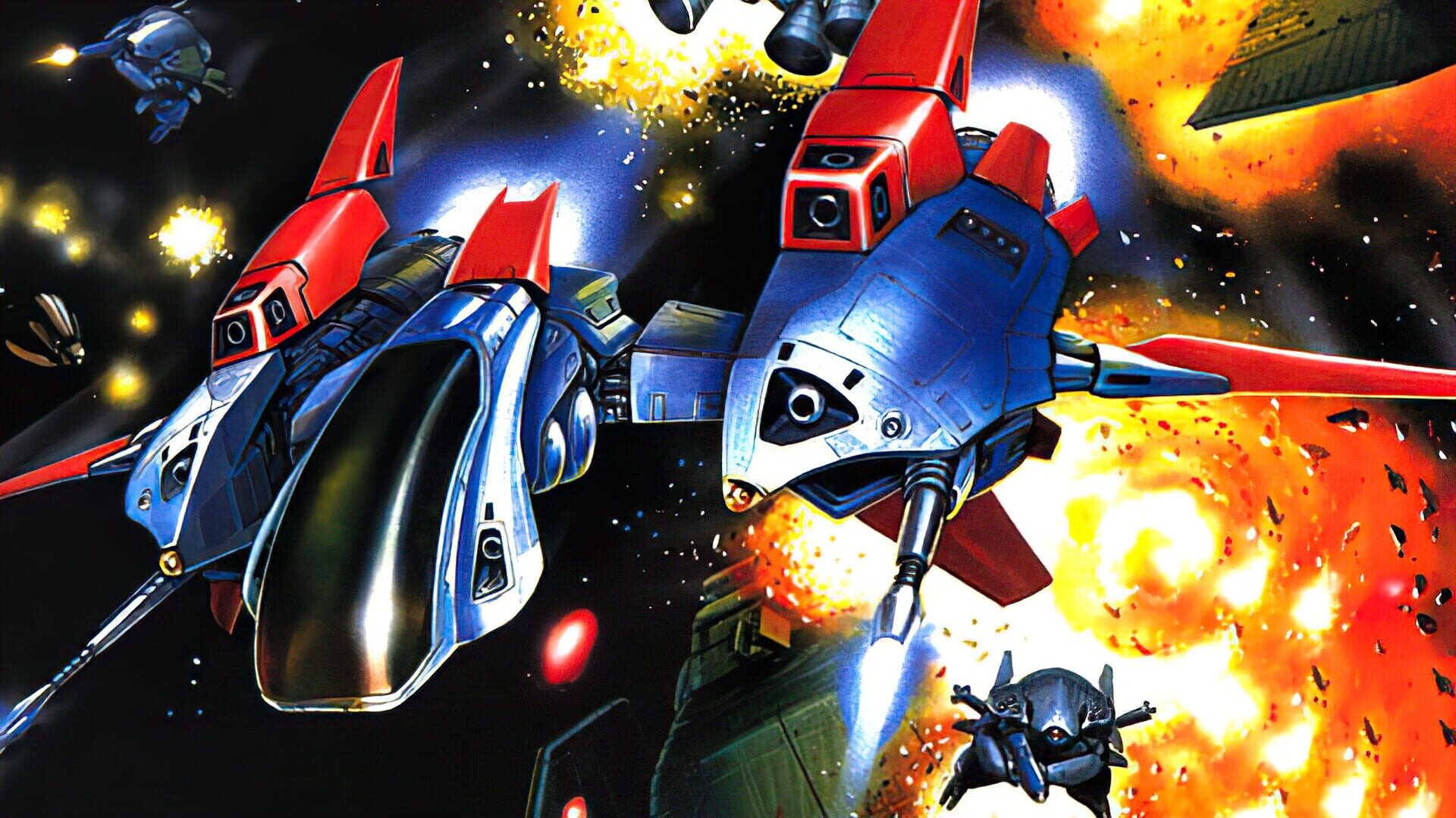
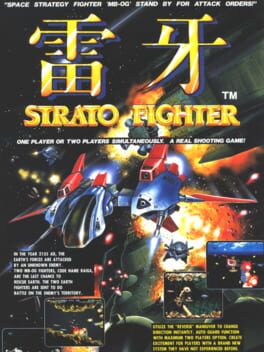

Strato Fighter, otherwise known as Raiga: Strato Fighter, is a 1991 video arcade game developed by Tecmo. It is a horizontal side-scrolling space shooter in which two players may play simultaneously. The game sets players in the year 2135 on a mission to save the Earth from colony-based, militant alien invaders using the MB-OG Raiga (Thunder Fang). The Raiga has the ability to spin around to attack enemies from behind. Power-ups can be obtained by destroying container ships. The craft's weapons include the Shotgun, Ion launcher, Vertical, Homing Missiles and Bomb attacks along with items such as Speed Ups, Shields and Extends. The spacecraft can also obtain an Option weapon called the Auto Guard; three types of Auto Guards were available such as the target locking Beam Rifle, the powerful Solid Shooter and the standard Blaster item.
In the year 2135 AD, the Earth's forces face a sudden onslaught from an unknown enemy. Two MB-OG fighters, code-named Raiga, emerge as the last hope for Earth's salvation. These two brave pilots are dispatched to engage in a high-stakes battle on the enemy's turf, risking everything to defend their home planet.
Shooter / Arcade / Science fiction
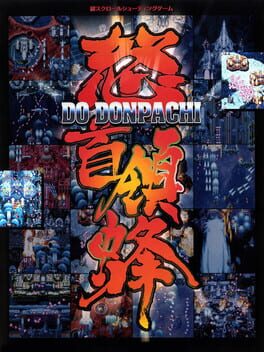
Compared to DonPachi, DoDonPachi is generally known for introducing new gameplay elements while improving or changing existing ones. The overall background of the game, unlike following sequels, remains more or less centered around a supposed invasion by a mysterious race of mechanized aliens, which the player is called to face throughout its run. However, more sinister and shocking secrets lie beneath the surface, accessible only to those brave and skilled enough to clear the entire game.

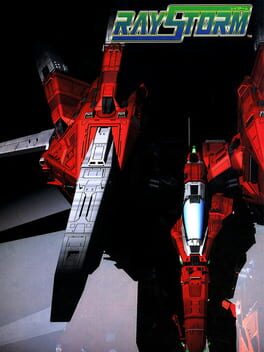
RayStorm is a scrolling shooter set hundreds of years in the future, and was one of the launch titles for the Sony PlayStation. RayStorm consists of eight stages where players must pilot their "R-Gray" spaceships shooting down anything that moves. Like all of the games in the Ray Series, enemies can be shot down with a primary weapon or by holding down a missile button to lock on to multiple enemies.

Shooter / Arcade / Science fiction
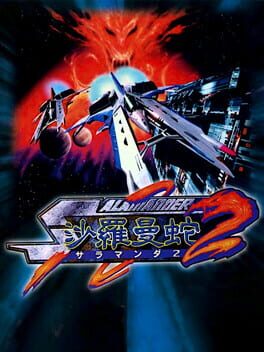
Like the original Salamander, and as opposed to the Life Force releases, Salamander 2 abandons the selection-bar based power-up system, in favor for a simplified system that focuses on powering weapons up based on specific icons. For example, the player cannot increase his ship speed until a speed icon is picked up; additional speed icons further increase the ship velocity. Several weapons, when additionally upgraded, turn into a 'super' weapon for approximately ten seconds. If the player has the ripple laser, and then gets another icon for it, the player will receive the high-powered Buster ripple for a short period of time. Options have been slightly changed with the arrival of 'option seeds', which are small options that orbit the ship firing only the basic initial shot. Two option seeds can combine into one full option. Moreover, options can also be sacrificed to utilize a short-term homing beam weapon. Several enemy bosses typical to Gradius games return, including the Brain Golem (the first level boss) and the Tetran (the second level boss). There are a total of six levels. Since the game is similar to its prequel, Salamander 2 does not use the Revival Start feature from Gradius (which pushes the player back to a pre-determined checkpoint if a life is lost), many people consider this title to be easier than other titles in the Gradius series due to this. Once the game has been completed, it starts its second-loop at a much higher difficulty. The music is also changed to remixed versions of Salamander's music in some stages. The first player's ship is called Vic Viper while the second player's ship is Super Cobra.

Shooter / Action / Science fiction
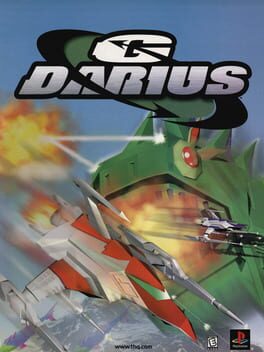
G-Darius is a shoot'em up arcade game, released by Taito in 1997. It is the fourth arcade installment of the Darius series and the first in the entire series to feature three-dimensional polygonal graphics. Much like previous installments in the Darius series, G-Darius is a two-dimensional horizontally scrolling shoot'em up set in a fictional future.

Shooter / Action / Science fiction
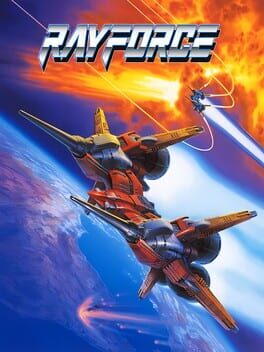
RayForce (released in western Arcades as "Gunlock") is a top-down shooter. There are seven levels to play, ranging from battles in the atmosphere of planets to battling over mountain ranges, each with their own standard huge bosses at the end of these levels. The player takes control of a starfighter called the RVA-818 X-LAY, out to destroy any opposing forces.

Shooter / Action / Science fiction
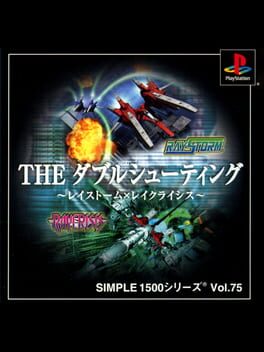
Simple 1500 Series vol. 75: The Double Shooting - Raystorm & Raycrisis is a compilation of 2 Taito arcade game shooters. 1 - RAYSTORM: The year is 2219 and the Secilia Federation has initiated a plan to destroy Earth. So far, the evil federation has been highly successful in destroying much of the planet's defensive forces and resources. With world destruction at hand, the fate of mankind is looking for a savior. 2 - RAYCRISIS: The sequel to RayStorm, RayCrisis: Series Termination takes place in a time when the future of mankind hangs in the balance. Determined to create the ultimate neural interface between man and machine, a rogue scientist named Leslie McGuire cloned herself and hardwired the clone's mind into directly into Con-Human, a powerful, worldwide computer network. Con-Human's AI quickly took over the clone's consciousness and was driven insane. Unable to comprehend the complexities of sentience and the human psyche, the Network went on a killing spree that wiped out most of Earth's 13 billion citizens.

Shooter / Arcade / Action / Science fiction
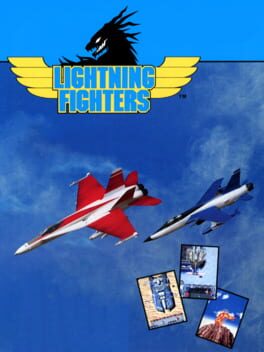
Lightning Fighters, released in Japan as Trigon, is a 1990 scrolling shooter arcade game by Konami. It is commonly compared to Raiden, though the two games were released very close to each other, and they were both meant to compete with the works of Toaplan. Though Lightning Fighters has become an obscure arcade-only title, Konami has referenced it multiple times over the years. Gradius Gaiden features a boss modeled after the ship and weapons from the game, and Yu-Gi-Oh! cards such as "Trigon", "Delta Tri" (based on the mentioned Gradius Gaiden boss), and "Dragon Laser" also represent the game.

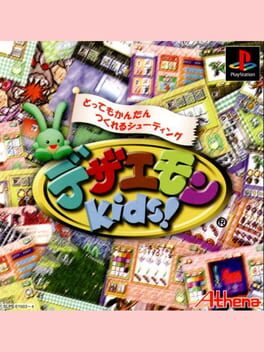
Dezaemon Kids! is a title in the Dezaemon series that allows players to create their own shoot-'em-up games. The players can design levels and enemies by themselves or choose from a number of presets, as well as compose musical themes for the levels. The game has a simplified colorful interface which makes it targeted for younger audience. It also boasts fully-voiced tutorial, a large amount of sample data, a horizontal scroll option, and 2-player simultaneous play option. The second game disc contains 102 sample games created in Dezaemon Plus.