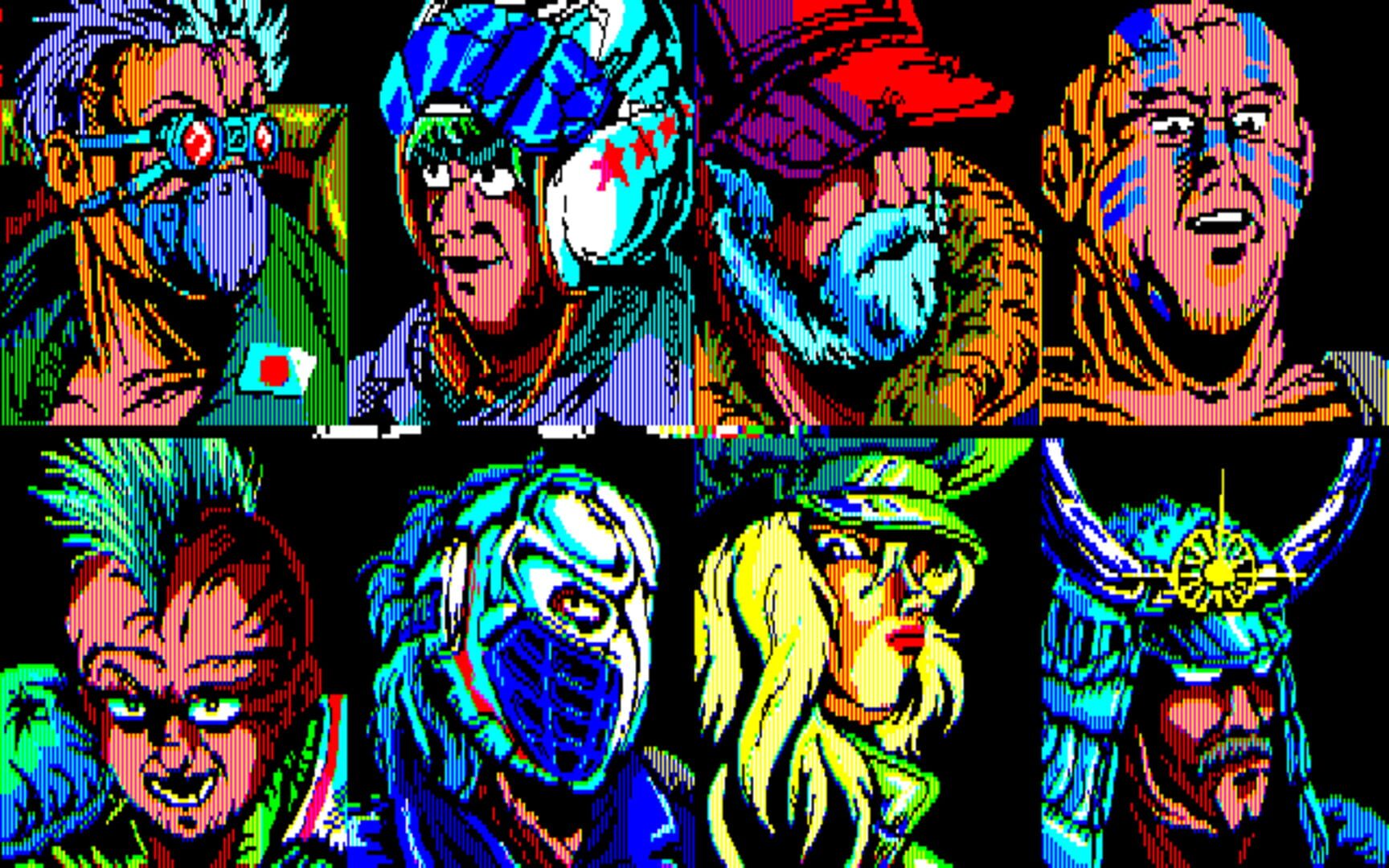
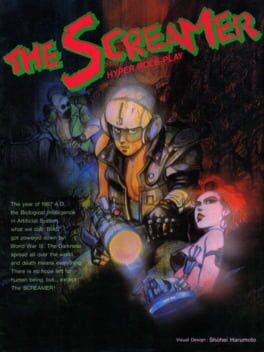
The Screamer is a 1985 cyberpunk-horror action RPG taking place in a post-apocalyptic, sci-fi setting. It was released by Magical Zoo, for the PC-8801 in 1985 and for the PC-9801 and X1 in 1986. An English fan translation was released in January 2015.

Shooter / Role-playing (RPG) / Simulator / Action / Science fiction
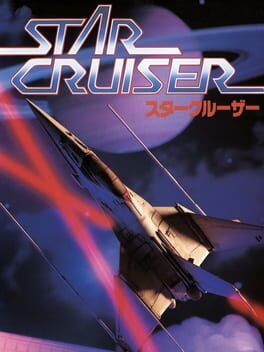
An early first-person role-playing shooter released by Arysis Software for the PC-88 and PC-98 in 1988, and later ported to the Sharp X68000 and Mega Drive/Genesis. Ahead of its time, it had 3D polygon graphics, FPS gameplay, strafing controls, open-world space exploration, and an epic sci-fi space opera plot.

Role-playing (RPG) / Action / Fantasy
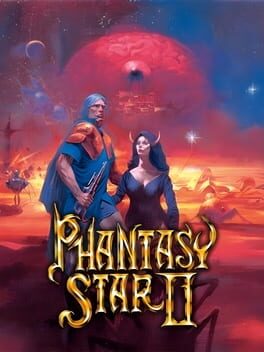
Gameplay is similar to the original Phantasy Star, the first game in the series. Its battle system is turn-based, allowing the player to choose commands for their party of up to four characters. Each of the eight characters has a different set of preferred weapons and armor, as well as techniques, suited to the character's job. The player must defeat enemies in the overworld and in dungeons to advance in the game. The game abandoned the first-person view that the first game used for dungeons and battles. Phantasy Star II instead uses a top-down perspective for exploration and a third-person view in battles.

Role-playing (RPG) / Adventure / Card & Board Game / Fantasy / Science fiction
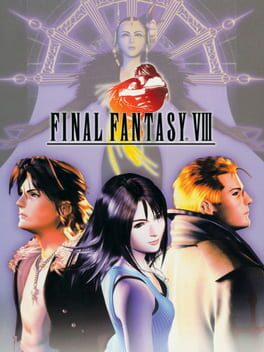
Final Fantasy VIII is the eighth main installment in the Final Fantasy series. The gameplay makes a departure from many series standards. While it still uses the Active Time Battle system, it deviates from the series' traditional means of boosting a character's power via leveling, although levels are not completely abandoned as they were in Final Fantasy II. In addition, it does not have a Magic Point-based system for spell-casting. Instead, magic is collected, drawn, and created from items, and is used to power up the characters via the junction system.

Role-playing (RPG) / Adventure / Fantasy
Final Fantasy VI is the sixth main installment in the Final Fantasy series, developed and published by Square. It was the final title in the series to feature two-dimensional graphics, and the first story that did not revolve around crystals. The game gives players up to fourteen playable characters, the largest cast in the series, and features the Active Time Battle pseudo-turn based menu command system. A party can consist of up to four characters, though some events require the player to assemble three different parties of up to four and switch between them. Each character has a unique command ability, such as Terra's Trance, Locke's Steal, Edgar's Tools or Sabin's Blitz, and can also learn Magic spells from earning AP from battles with magicite equipped. Each character's rare Desperation Attack will randomly activate after using the Attack command when at critical health.

Role-playing (RPG) / Adventure / Fantasy / Sandbox
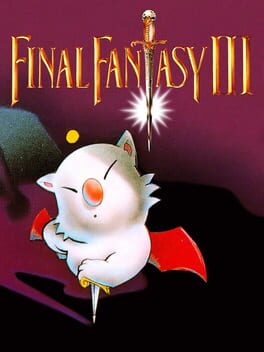
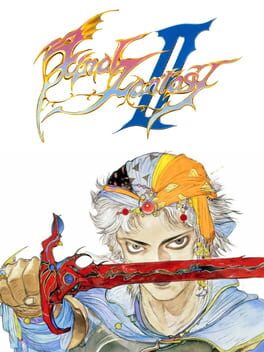
Final Fantasy II is the second installment in the Final Fantasy series, developed and published by Squaresoft. It was directed by Hironobu Sakaguchi, with Yoshitaka Amano designing the characters and Nobuo Uematsu composing the score. It was notable for being one of the first story-intensive RPGs released for console systems, and introducing many series staples, including chocobos and a character named Cid. Its story is unrelated to the original FINAL FANTASY, and its gameplay is a major departure from the previous title for eliminating the traditional experience-based progression system.

Shooter / Role-playing (RPG) / Action / Science fiction
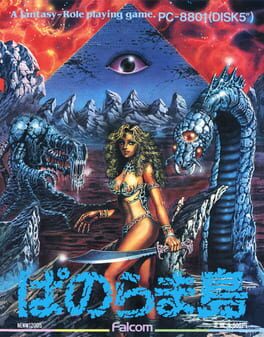
Panorama Toh (ぱのらま島 "Panorama Island"), released by Nihon Falcom for the NEC PC-8801 computer in 1983, departed from the standard RPG formula in various ways. It combined RPG gameplay with real-time combat, combined fantasy with sci-fi elements, and introduced survival mechanics. The game was designed by Yoshio Kiya, this was possibly the first action RPG. These innovative ideas about RPG design departed significantly from the turn-based norm at the time. It introduced real-time combat, sci-fi elements, a persistent open world with day-night cycle, and survival mechanics. This was a precursor to Falcom's seminal action RPG franchise, Dragon Slayer. In 1984, he would go on to create Nihon Falcom's Dragon Slayer franchise, which laid the foundations for the real-time, action RPG genre.

Platform / Puzzle / Role-playing (RPG) / Action / Fantasy
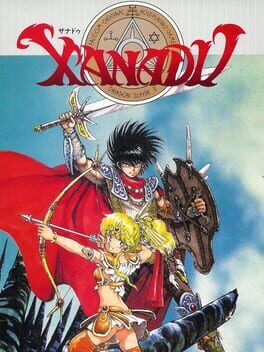
In Legend of Xanadu, the player controls a young adventurer named Areios. Monsters attack his homeland, and he is forced to flee. After traveling by ship and arriving at the town Bolda, Areios finds out that strange things have been happening in the North Cave near the town. His first mission will be to venture to the North Cave and investigate the matter. Of course, soon Areios finds himself involved in a battle against sinister forces, and commences the longest and most dangerous adventure of his life! The game is an action RPG set in the Dragon Slayer universe, with a gameplay style similar to Falcom's other popular series, Ys. Controlling Areios, the player explores the top-down world, visiting towns and fighting monsters in vast outdoor areas and dungeons. Like in Ys series, it is sufficient to "bump" into a monster in order to inflict damage. Areios gains hit points and becomes stronger by sustaining damage from enemies and resting. His weapons and armor can gain experience and level up. In many areas, companions will join Areios and help him in combat, controlled by the computer AI. The game is divided into chapters; the final stage of each chapter is a side-scrolling/platform level, which Areios has to navigate in order to reach the boss enemy, defeat him, and end the chapter. In such stages, the combat turns into a more familiar action-oriented style, with the player being required to press buttons in time in order to execute attacks and jump. There is a day/night cycle in the game, manifested not only in graphical changes, but also in the schedules of townspeople: when it's dark, people will return to their homes and go to sleep, etc.
Shooter / Tactical / Adventure / Action / Science fiction
Metal Gear Solid is a stealth game created by Hideo Kojima which follows the MSX2 video games Metal Gear and Metal Gear 2: Solid Snake. Despite a transition to 3D, Metal Gear Solid's gameplay remains similar to his predecessors. The game utilizes a traditional top-down view and the player must navigate the protagonist Solid Snake through the game's areas without being detected. Detection will set off an alarm which draws armed enemies to his location. Conversations with Snake's allies and cutscenes are used extensively to advance the plot and gain more insight into it. Metal Gear Solid is regarded as one of the greatest and most important video games of all time, and helped popularize the stealth genre and in-engine cinematic cutscenes.