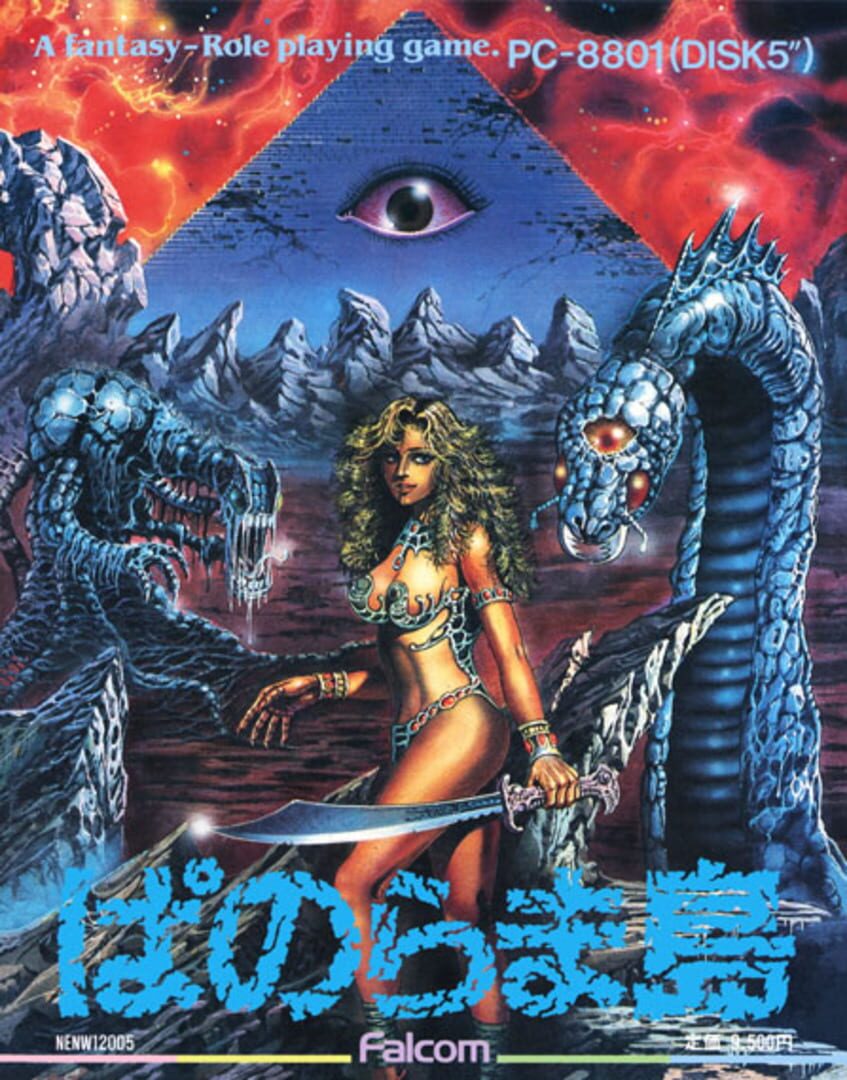
Panorama Toh (ぱのらま島 "Panorama Island"), released by Nihon Falcom for the NEC PC-8801 computer in 1983, departed from the standard RPG formula in various ways. It combined RPG gameplay with real-time combat, combined fantasy with sci-fi elements, and introduced survival mechanics. The game was designed by Yoshio Kiya, this was possibly the first action RPG. These innovative ideas about RPG design departed significantly from the turn-based norm at the time. It introduced real-time combat, sci-fi elements, a persistent open world with day-night cycle, and survival mechanics. This was a precursor to Falcom's seminal action RPG franchise, Dragon Slayer. In 1984, he would go on to create Nihon Falcom's Dragon Slayer franchise, which laid the foundations for the real-time, action RPG genre.

Shooter / Role-playing (RPG) / Simulator / Action / Science fiction
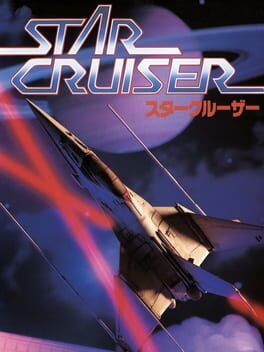
An early first-person role-playing shooter released by Arysis Software for the PC-88 and PC-98 in 1988, and later ported to the Sharp X68000 and Mega Drive/Genesis. Ahead of its time, it had 3D polygon graphics, FPS gameplay, strafing controls, open-world space exploration, and an epic sci-fi space opera plot.

Platform / Puzzle / Role-playing (RPG) / Action / Fantasy
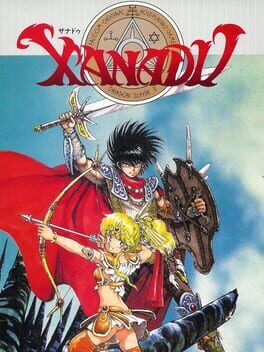
In Legend of Xanadu, the player controls a young adventurer named Areios. Monsters attack his homeland, and he is forced to flee. After traveling by ship and arriving at the town Bolda, Areios finds out that strange things have been happening in the North Cave near the town. His first mission will be to venture to the North Cave and investigate the matter. Of course, soon Areios finds himself involved in a battle against sinister forces, and commences the longest and most dangerous adventure of his life! The game is an action RPG set in the Dragon Slayer universe, with a gameplay style similar to Falcom's other popular series, Ys. Controlling Areios, the player explores the top-down world, visiting towns and fighting monsters in vast outdoor areas and dungeons. Like in Ys series, it is sufficient to "bump" into a monster in order to inflict damage. Areios gains hit points and becomes stronger by sustaining damage from enemies and resting. His weapons and armor can gain experience and level up. In many areas, companions will join Areios and help him in combat, controlled by the computer AI. The game is divided into chapters; the final stage of each chapter is a side-scrolling/platform level, which Areios has to navigate in order to reach the boss enemy, defeat him, and end the chapter. In such stages, the combat turns into a more familiar action-oriented style, with the player being required to press buttons in time in order to execute attacks and jump. There is a day/night cycle in the game, manifested not only in graphical changes, but also in the schedules of townspeople: when it's dark, people will return to their homes and go to sleep, etc.

Shooter / Role-playing (RPG) / Action / Science fiction
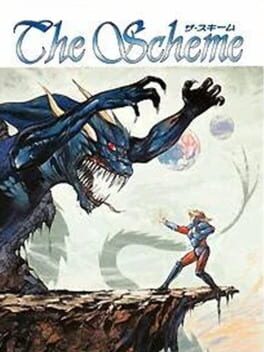
The Scheme is an action RPG released by Bothtec (later known as Quest) for the PC-88 in 1988. It features Metroidvania-style open-world exploration, side-scrolling run & gun shooter combat, and chiptune music by Yuzo Koshiro.

Shooter / Role-playing (RPG) / Action / Science fiction
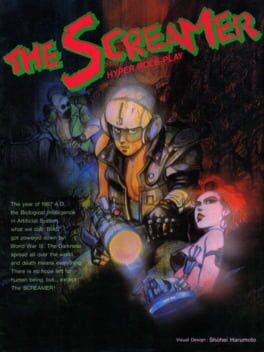
The Screamer is a 1985 cyberpunk-horror action RPG taking place in a post-apocalyptic, sci-fi setting. It was released by Magical Zoo, for the PC-8801 in 1985 and for the PC-9801 and X1 in 1986. An English fan translation was released in January 2015.

Platform / Role-playing (RPG) / Adventure / Action / Horror
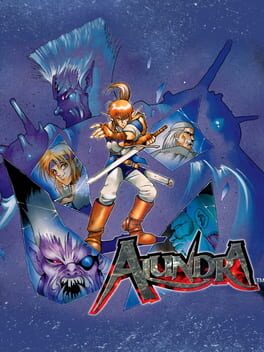
Between the worlds of light and dark lies the world of dreams. A world where the rule of reason loosens its grip. A place where an insidious evil is stealing minds and blackening the hearts of those from the world of light. Grab a weapon and become the dreamwalker Alundra as he struggles to purge the evil Id of an ancient world before it falls to ash. Explore dungeons, find weapons, solve challenging puzzles, and kick some serious monster butt as you weave between tense reality and nightmarish dreams to save the hapless masses. With a wide cast of characters and scores of challenging puzzles created by the people responsible for Landstalker on the Genesis. Alundra will rob you of precious sleep until you finish!

Platform / Role-playing (RPG) / Adventure / Action / Horror
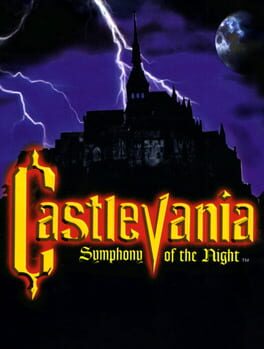
Having been awoken from his eternal slumber by the reappearance of Castlevania, Alucard must once again face the evil minions of darkness. Use your vampiric powers, along with weapons, potions, and other magical relics to change the tide of battle. A mixture of platform and role-playing action with many hidden areas and secrets. Can you discover them all?

Role-playing (RPG) / Adventure / Fantasy / Sandbox
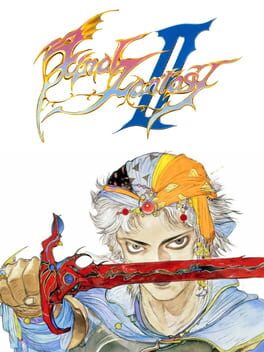
Final Fantasy II is the second installment in the Final Fantasy series, developed and published by Squaresoft. It was directed by Hironobu Sakaguchi, with Yoshitaka Amano designing the characters and Nobuo Uematsu composing the score. It was notable for being one of the first story-intensive RPGs released for console systems, and introducing many series staples, including chocobos and a character named Cid. Its story is unrelated to the original FINAL FANTASY, and its gameplay is a major departure from the previous title for eliminating the traditional experience-based progression system.

Platform / Puzzle / Role-playing (RPG) / Action / Fantasy
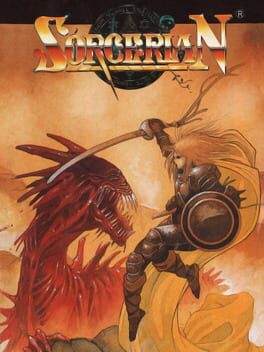
Sorcerian is a side-scrolling action-RPG. The player can create up to ten characters, from whom up to four members can be present in a party at the same time. Each character is highly customizable, with four different classes/races (fighter, wizard, elf, and dwarf) and over 60 possible jobs/occupations (ranging from clown to exorcist) available for them to perform; each has its own strengths and weaknesses, affecting the seven primary attributes (strength, intelligence, protection, magic resistance, vitality, dexterity, and karma) in different ways, as well as different equipment limitations. The player can choose from fifteen different scenarios, or quests, to play through in the order of their choice. The party must battle enemies and perform tasks within the given levels to clear each scenario, before moving onto another scenario of their choice. The player controls the entire party at the same time, with all four members running in a line, jumping in sequence, and attacking in unison. The party members follow behind in a manner similar to the Options in the arcade shooter Gradius (1985). Sorcerian also employs class-based puzzles, such as using a high-strength character to force open doors. All the characters have a default starting age of 16. Each time a player begins a new scenario, a year passes by, while additional time passes by in towns as a character goes through training or enchants items. The characters age at different rates depending on their race, with humans reaching old age at 60, dwarves at 100, and elves at 200. Upon reaching old age, for every year that passes, a character can die permanently at a random time. There is also an “Advance Time” to speed up the flow of time. Another new feature of Sorcerian was its episodic format that extended across various expansion packs. Besides the default fifteen scenarios that come with the game, there were a number of additional scenario packs released. The aging system was created with the additional scenario packs in mind.