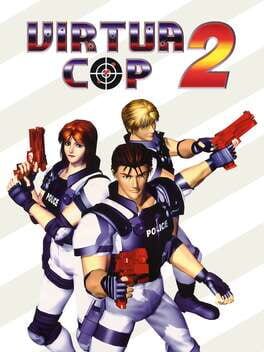
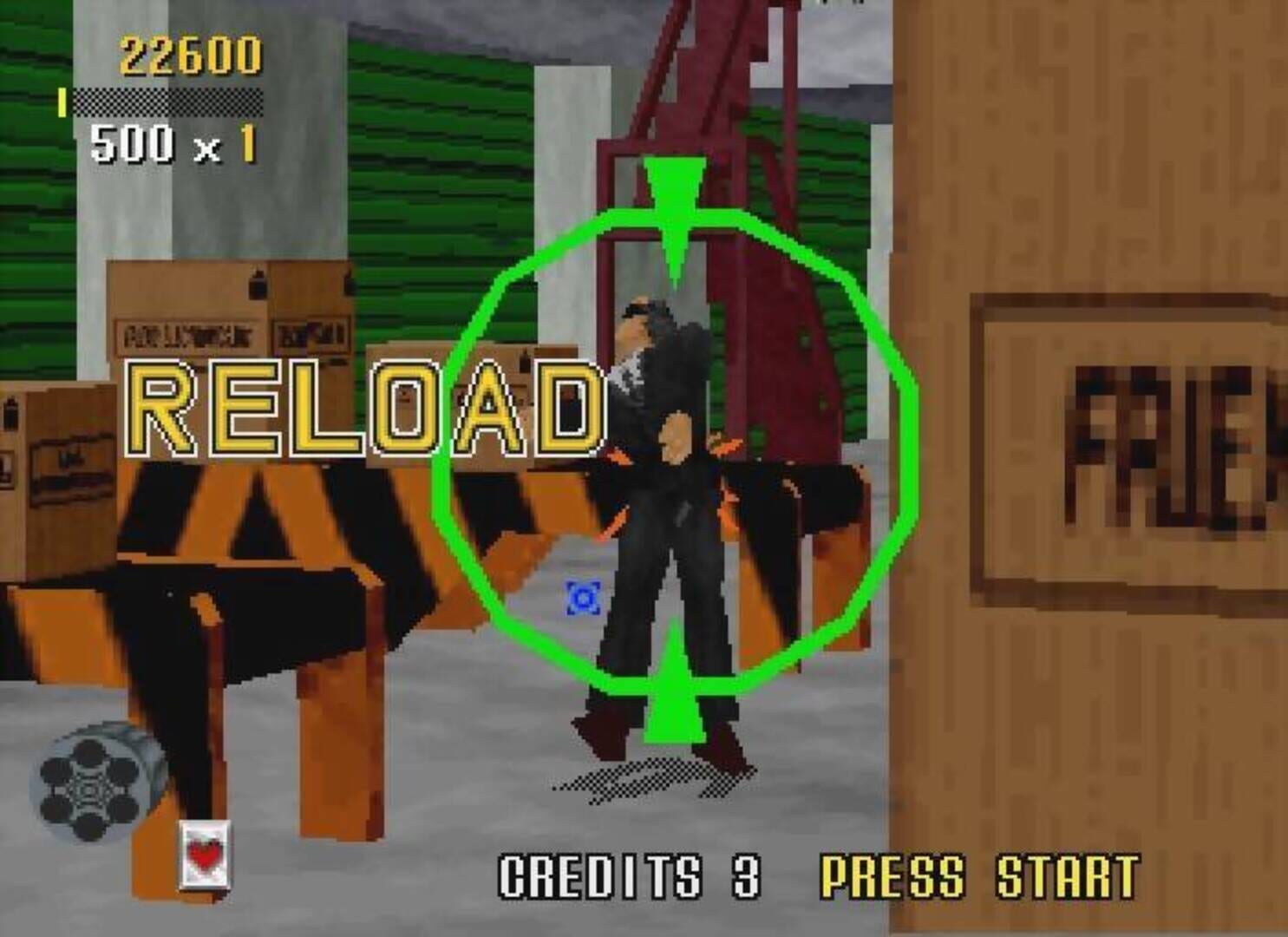
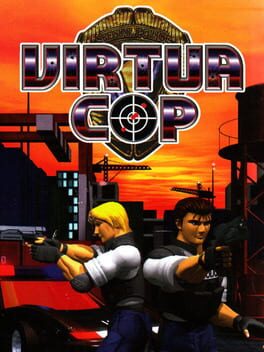
Players assume the role of police officers in a first-person perspective and use a light gun to shoot criminals and advance through the game, with penalties for shooting civilians. The players could also shoot powerups that grants him a weapon or a life. The weapon is lost if the player is hit, but not if he shoots a civilian. Virtua Cop was notable for its use of polygonal graphics, which were subsequently used in both House of the Dead and Time Crisis, instead of the two dimensional sprites that were popular for previous games in the same genre. It is also notable for being one of the first games to allow the player to shoot through glass. Its name derived from this graphical style, which was previously used in Virtua Fighter, Virtua Striker and Virtua Racing.

During the events of the first, the original Virtua Cops, Michael "Rage" Hardy and James "Smarty" Cools shut down the E.V.I.L Inc. criminal empire. Three of its leaders, King, Boss, and Kong are all in the maximum security federal pen. And the final, fourth member of the E.V.I.L Inc. gang, international terrorist Joe Fang is believed to have been killed in a helicopter crash, though his body was never found. After the downfall of E.V.I.L Inc., a comprehensive investigation of their black market and gun-running activities was launched in the Virtua City bank. Last year it looked as though the Virtua Squad had finally put an end to the E.V.I.L Syndicate’s reign of crime over Virtua City. The gangleaders were all either behind bars, in intensive care, or under 6 feet of dirt. And the Virtua City Police Special Investigations Unit got a new member in the shape of Janet Marshall, an expert in criminal psychology profiling. Then trouble started brewing in unlikely places.... The vice-president of the Virtua City Bank was killed in shady circumstances that were only officially termed "accidental". And the swollen accounts of the now-defunct E.V.I.L Syndicate, which he had been suspected of laundering, were emptied overnight. The missing funds amounted to more than the GNP of most small countries. Meanwhile, on the other side of town, alarms break the quiet and calm of the Virtua City air. A daring daylight raid on the biggest jeweler’s in the state! And at the site of the new subway construction, there’s been an unusual amount of unexplained activity involving some very suspicious-looking materiel. Looks like the E.V.I.L is reborn.

Shooter / Arcade / Action / Science fiction
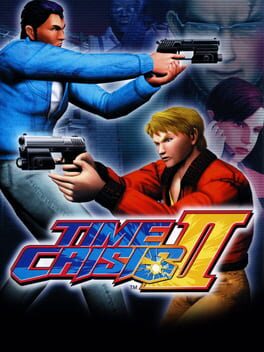
Time Crisis II is a light gun arcade game and the second installment in the Time Crisis series. It introduces co-operative multiplayer to the franchise. The game was first released in arcades in April 1998, with an enhanced port released on the PlayStation 2 in October 2001, bundled with the GunCon 2 controller.

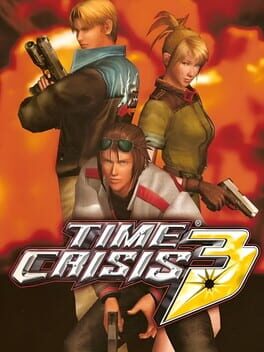
The third installment in Namco's light gun shooting franchise, Time Crisis 3 offers exciting, fast-paced shooting action by the world renowned VSSE agents as they fight to save an innocent nation from total annihilation. Choose from four weapons--machine gun, handgun, shotgun, and grenade-- to blast your way past enemies. Practice your sharpshooting skills in Sniper Combat and multiple gameplay modes. The game also includes multiple gameplay modes, a new playable character, and the original Time Crisis. It's time to warm up that trigger finger and step into the action.

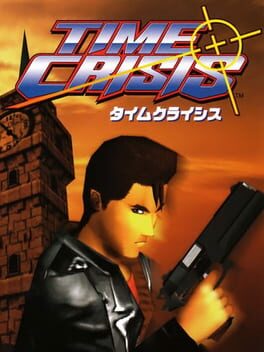
Time Crisis is a light gun shooter arcade game released by Namco in December 1995. It was later ported for the PlayStation in 1997, bundled with the Guncon light gun controller. Time Crisis is a three-dimensional first-person rail shooter similar to Virtua Cop and The House of the Dead installments, in which the player uses a light gun to fire at on-screen enemies. Time Crisis is best known for its cover system, in which players can duck behind cover to avoid enemy fire and reload their weapons. There are three stages, each consisting of three areas and a boss battle. The unique features are described below. A foot pedal that performs multiple functions: when the pedal is released, the player takes cover to conserve hit points while reloading the gun. While the pedal is released, the player cannot attack. In console conversions, a button command replicates the foot pedal's functions. The player loses a life if he/she is hit by a direct bullet or obstacle whilst not taking cover, with the game ending if he/she loses all lives. A light gun (introduced in Point Blank), which utilized a special memory chip to synchronize areas of the screen's image as the player rotated the gun around. The light gun also features a blowback function, which simulates real-life gun recoil. A countdown timer, recharged by clearing an area of enemies. As running down the clock causes an instant game over, the player must take risks, shooting enemies rapidly and hiding only when necessary. A time extension is rewarded when an area is passed, and there are also time bonuses awarded for shooting certain enemies quickly. The PlayStation port features an exclusive side-story mode, in which the player's performance, such as how quickly he can clear an area, affects the path he takes through the game, resulting in multiple possibilities.
Shooter / Action / Science fiction
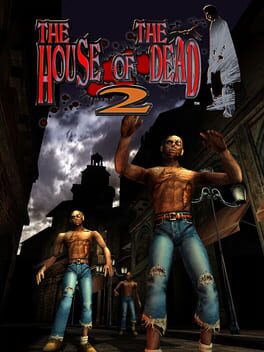
The House of the Dead 2 is a first-person light gun shooter arcade game with a horror theme and the second game in The House of the Dead series of video games. The direct sequel to The House of the Dead, it was developed by Sega for arcades on the Sega NAOMI board in November 1998 then later ported to the Dreamcast in 1999 and Microsoft Windows in 2001, and is also found on the Xbox as an unlockable bonus in The House of the Dead III. The game appears in the compilation The House of the Dead 2 & 3 Return for Wii. The Dreamcast version became a Sega All Stars title.

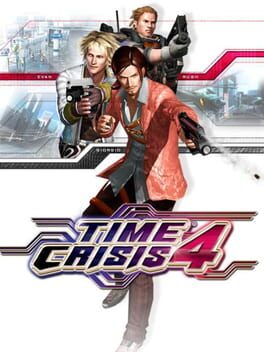
Time Crisis 4 is the fourth installment in the Time Crisis series which introduces new features to the cover-based light gun shooter gameplay engine of its predecessors alongside a new story and roster of characters.

Shooter / Action / Science fiction
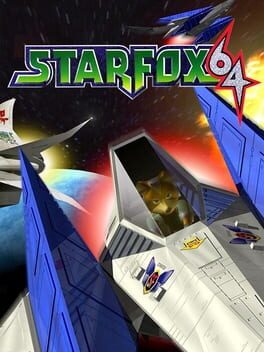
The update to the 16-bit Super NES title continues the original's on-rails 3D shooting action on the Nintendo 64. Starring Fox McCloud, Peppy Hare, Falco Lombardi, and Slippy Toad, this new 64-bit version contains 15 plus levels, easy, medium, and difficult paths, forward-scrolling levels as well as full 3D realms, and a three-part multiplayer mode using a four-player split screen. In addition to plenty of Arwing action, the game introduces a new hover tank and even features a submarine level. The 8-megabyte cartridge also boasts voice samples from 23 different characters instead of the original's animal noises. Star Fox 64 was the first game to feature Rumble Pak support. A Rumble Pak bundle and standalone version of the game were sold. Released in Europe under the name Lylat Wars.

Fighting / Shooter / Racing / Action / Horror
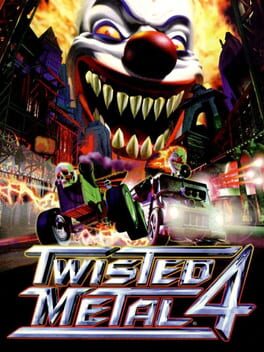
Twisted Metal 4 is the fourth installment in the Twisted Metal series and the second and last installment to be developed by 989 Studios. The game's plot centers on Sweet Tooth, the long-time mascot of the titular Twisted Metal competition, overthrowing Calypso, the mysterious organizer of the competition, in a coup d'état. He then takes over the mantle of granting the winner of the competition a single wish, regardless of price, size or even reality.