

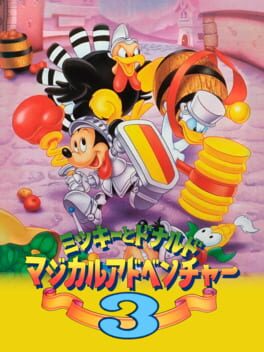
Donald’s mischievous nephews Huey, Dewey, and Louie have found a mysteriously old and dusty storybook while hiding in Donald’s attic. When reading the storybook, the three ducks are magically transported into Storybook Land by Evil Baron Pete. Evil Baron Pete rules over the Storybook Land and is plotting to take over the Outside World. With the Fairy of Storybook Land’s help, it’s up to Mickey and Donald to rescue Huey, Dewey, and Louie. Features: - Play as Mickey or Donald in this awesome action adventure - Go on an adventure with your favorite Disney friends--Minnie, Daisy, Pluto, and friends - New magical costumes with special abilities to master: Knight, Wood-Cutter, and the Magician - Mini-games for players of all ages to enjoy
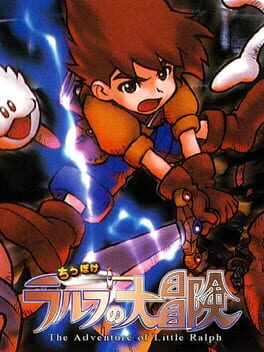
The Adventure of Little Ralph is a 2D platformer. In this game the player controls Ralph, who has been turned back into a child by the evil demons who have invaded his homeland. In order to stop them and return to his former self, he must get through each area filled with enemies, traps, and many hidden routes. Ralph is armed with swords and various magic powers and also has the assistance of a small furry companion. The game's levels are interconnected, unlike the "stages" of most other platform games.
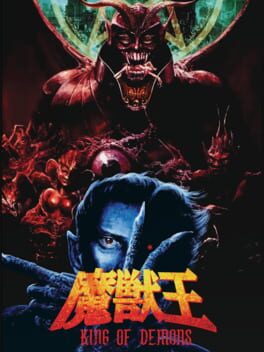
Shooter / Platform / Action / Fantasy
Majuu-ou is a side-scrolling platformer for the Super Nintendo, taking influences from Castlevania and Contra. You play as Abel, intent on rescuing his daughter from the depths of Hell. As you defeat certain bosses, they will drop large, color changing gems. Pick up the gem, and you'll transform into either a red Harpy, a blue Dragon, or a green Lizard, depending on what color it is when you pick it up. Each demon type has its own special attacks.
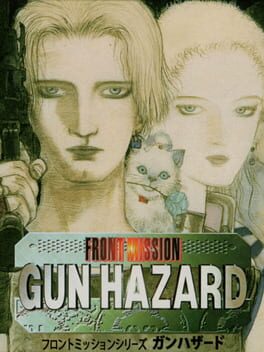
Shooter / Platform / Action / Science fiction
Gun Hazard is a side-scrolling shooter with strong RPG elements, and a spin-off of the Front Mission series. Gameplay is more than a little similar to Cybernator or Metal Warriors. The player moves between different stages on an area map. Once inside a stage, the player controls Albert and his wanzer as it moves left, right across the screen. The wanzer is able to jump, and attack with a primary and a special weapon. At any time during a stage, Albert can eject from his heavily armed wanzer to explore. Although vulnerable when outside, Albert is able to reach areas the wanzer cannot, in addition to being a smaller target and being able to jetpack indefinitely. Money and experience are earned through the completion of mission objectives as well as the kill count of enemy wanzers. Additionally, Albert can recruit other characters through the normal course of the story, some of whom can be designated to support roles. These support characters when set can provide a variety of different cover fire abilities for Albert during his missions. They too gain experience and levels. Different weapons and armor can be found or bought. Essential components include the Booster ability which allows the wanzer to hover and increase its jumps, as well as the Dash ability which allows quick left-right movement by the wanzer.
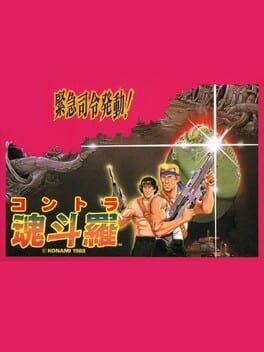
Shooter / Platform / Action / Science fiction
This is the Family Computer (Famicom) port of Contra. Even if the American and the Japanese port look similar and share the same art style and engine, the Japanese version has added content, with more animations in the backgrounds, new cheat codes and, most importantly, story cutscenes explaining the plot of the game.
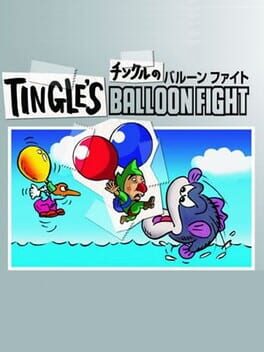
Keep Tingle afloat as you collide with the enemies and pop their balloons. Once they've fallen to the ground, ram into them again to knock them out before they've inflated their balloon and taken back to the skies. This game is a bonus item for platinum members in the Japanese Club Nintendo rewards program.
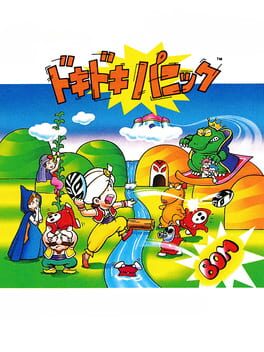
While two children, Poke and Piki, are reading a story, a monstrous hand suddenly appears from inside the pages and kidnaps them. When the rest of the Dream Factory family hear their cries of help, they jump into the story and help save them from the evil Wart. The game was released as part of the Yume Koujou '87 event (sometimes referred as Dream Machine, in English), which was sponsored by Fuji TV, and stars its mascots. The game was edited and released as Super Mario Bros 2. Due to Nintendo of Japan feeling like their version of Super Mario Bros 2 would be too difficult and outdated by the time it got to the United States.