Developed by Namco.
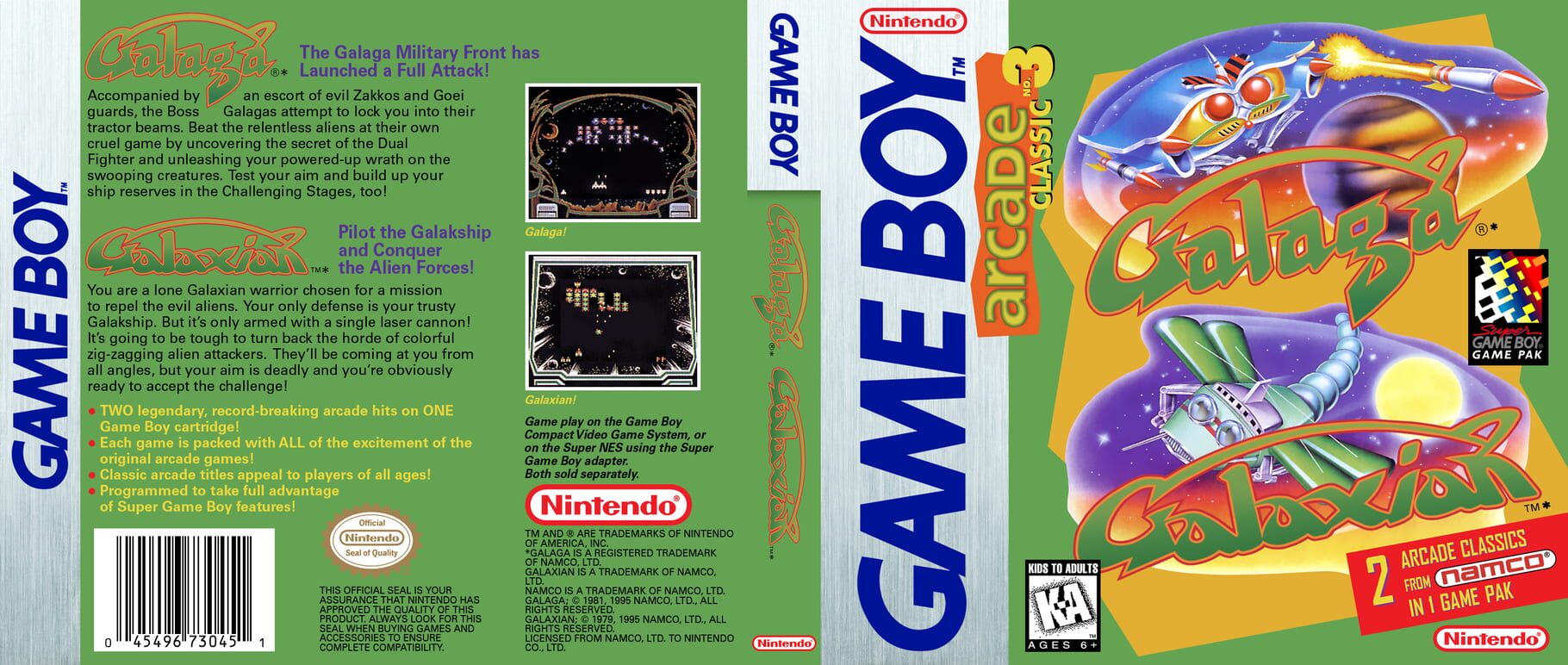
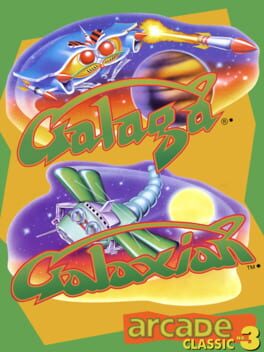
A compilation of two classic arcade titles, Galaga and Galaxian ported over to the Game Boy and features original gameplay features. It is also Super Game Boy compatible complete with background borders that replicate their original arcade machine casings.

A compilation and port of the classic arcade titles. The games can also be played on the Super Game Boy Peripheral and has altered graphics from the original versions. It does not feature the ability to use the Link Cable, but does have an option for two friends to take turns for each game.

Shooter / Arcade / Action / Science fiction
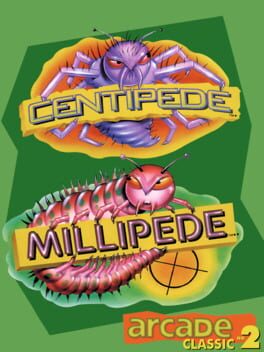
A compilation of two classic games, Centipede and Millipede ported over to the Game Boy system with original gameplay. It is also compatible with the Super Game Boy Adapter with backgrounds made to resemble their original arcade casings.

Arcade / Science fiction / Warfare
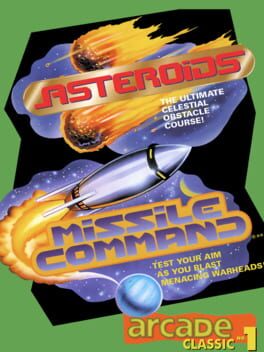
Arcade Classics: Asteroids + Missile Command is a compilation of the two classic arcade games. This bundle also featured enhanced Super Game Boy support.

Shooter / Arcade / Action / Science fiction
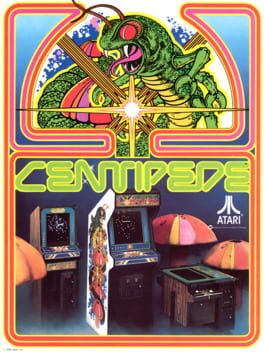
Centipede is a vertically-oriented shoot 'em up arcade game produced by Atari, Inc. in 1980. The game was designed by Ed Logg along with Dona Bailey, one of the few female game programmers in the industry at this time. It was also the first arcade coin-operated game to have a significant female player base. The player defends against swarms of insects, completing a round after eliminating the centipede that winds down the playing field.

Shooter / Platform / Arcade / Science fiction
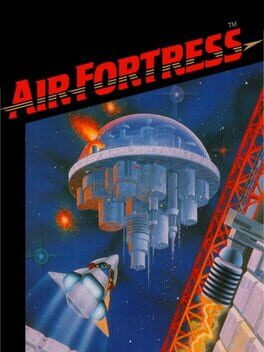
Air Fortress is a video game published in Japan for the Nintendo Entertainment System released in Japan in 1987 and later in North America in 1989. Only a total of 385 copies of the game were shipped to the United States in 1987, and it is believed that only 20 were shipped beforehand as a test run for the system. Within PAL-A regions, it was only released in Australia. This makes the American version of the game very rare.

Shooter / Arcade / Fantasy / Science fiction
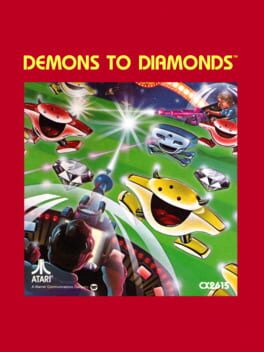
Players attempt to shoot demons in a "cosmic carnival" and then pick up the diamonds left behind by them, while dodging shots from enemy skulls. The player operates a laser base at the bottom of a multi-row playfield, using the paddle controller to move it from side to side and the controller's action button to fire a laser beam vertically up the playfield. The player can control how far onto the playfield the beam advances by releasing the button at the desired height. The player receives one point for each demon and ten points for each diamond successfully shot. Points are multiplied by the distance from the base to the target. For example, a demon shot one row above the player is worth one point, while a demon shot four rows above the player is worth four points. In multiplayer mode, the second player operates a laser base at the top of the screen, firing from top to bottom. Again, the second player must shoot demons that match the color of its gun in order to produce diamonds. However, diamonds may be shot by either player. Also, skulls are capable of shooting both up and down the playfield. In select variations of the game, the players can shoot their opponent's laser gun in order to deplete their stock of extra lives. In both single and multiplayer versions, players begin with five lives. One life is lost when the player's laser base is hit by a laser beam fired by a skull or by an opponent, depending on the game variation being played. The game ends when all lives are lost; in multiplayer versions, the surviving player receives a bonus for each life remaining.