
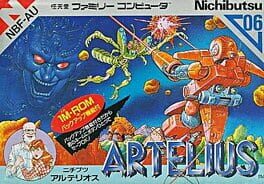
A sci-fi themed RPG from Nihon Bussan for the Famicom, released in late 1987. It was never released outside of Japan.
Featured in
A sci-fi themed RPG from Nihon Bussan for the Famicom, released in late 1987. It was never released outside of Japan.
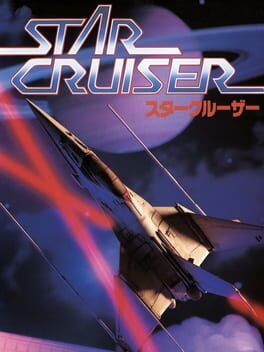
Shooter / Role-playing (RPG) / Simulator / Action / Science fiction
An early first-person role-playing shooter released by Arysis Software for the PC-88 and PC-98 in 1988, and later ported to the Sharp X68000 and Mega Drive/Genesis. Ahead of its time, it had 3D polygon graphics, FPS gameplay, strafing controls, open-world space exploration, and an epic sci-fi space opera plot.
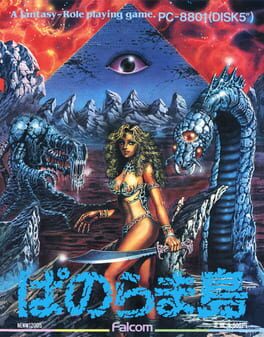
Shooter / Role-playing (RPG) / Action / Science fiction
Panorama Toh (ぱのらま島 "Panorama Island"), released by Nihon Falcom for the NEC PC-8801 computer in 1983, departed from the standard RPG formula in various ways. It combined RPG gameplay with real-time combat, combined fantasy with sci-fi elements, and introduced survival mechanics. The game was designed by Yoshio Kiya, this was possibly the first action RPG. These innovative ideas about RPG design departed significantly from the turn-based norm at the time. It introduced real-time combat, sci-fi elements, a persistent open world with day-night cycle, and survival mechanics. This was a precursor to Falcom's seminal action RPG franchise, Dragon Slayer. In 1984, he would go on to create Nihon Falcom's Dragon Slayer franchise, which laid the foundations for the real-time, action RPG genre.
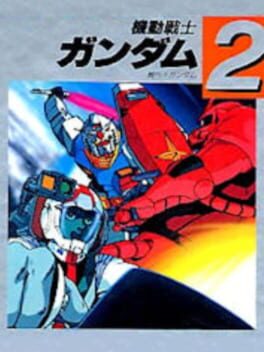
Shooter / Role-playing (RPG) / Simulator / Action / Science fiction
Kidou Senshi Gundam Part 2: Tobe! Gundam (機動戦士ガンダム PART 2 翔べ!ガンダム "Mobile Suit Gundam Part 2: Fly! Gundam") is an adventure/shooter/RPG from 1984, based on the Mobile Suit Gundam anime series. It anticipated several gameplay elements later found in FPS, TPS and action RPG games.
Shooter / Role-playing (RPG) / Adventure / Action / Science fiction
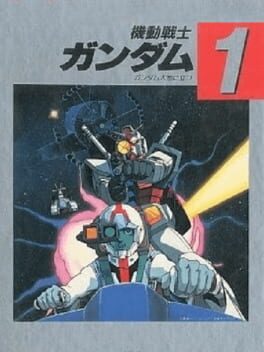
Kidou Senshi Gundam Part 1: Gundam Daishi ni Tatsu!! (機動戦士ガンダム PART 1 ガンダム大地に立つ!! "Mobile Suit Gundam Part 1: Gundam Stands on the Ground!!") is an adventure/shooter/RPG from 1983, based on the popular Mobile Suit Gundam anime television series.
Shooter / Role-playing (RPG) / Action / Science fiction
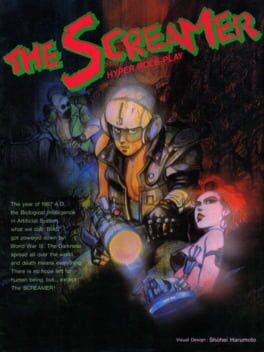
The Screamer is a 1985 cyberpunk-horror action RPG taking place in a post-apocalyptic, sci-fi setting. It was released by Magical Zoo, for the PC-8801 in 1985 and for the PC-9801 and X1 in 1986. An English fan translation was released in January 2015.
Role-playing (RPG) / Action / Fantasy
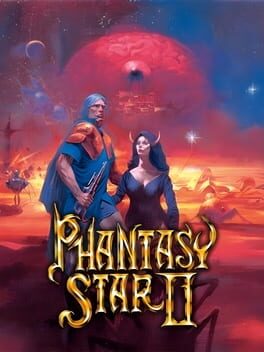
Gameplay is similar to the original Phantasy Star, the first game in the series. Its battle system is turn-based, allowing the player to choose commands for their party of up to four characters. Each of the eight characters has a different set of preferred weapons and armor, as well as techniques, suited to the character's job. The player must defeat enemies in the overworld and in dungeons to advance in the game. The game abandoned the first-person view that the first game used for dungeons and battles. Phantasy Star II instead uses a top-down perspective for exploration and a third-person view in battles.
Shooter / Role-playing (RPG) / Action / Science fiction
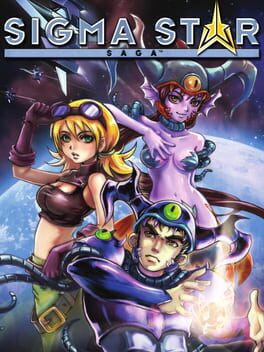
When a double-agent's allegiance begins to waver, the galaxy finds itself in a precarious position. Humanity is struggling to survive against the Krill onslaught. Ian Recker, a decorated pilot, goes undercover to investigate the Krill's secrets, but finds himself trapped in a moral dilemma. The first RPG on Game Boy Advance to combine a deep storyline and well-developed characters with a space-shooter battle engine. Customizable weapons including over 15,000 Gun Data combinations. Branching storyline with four ending and 20+ hours of gameplay.
Shooter / Racing / Role-playing (RPG) / Action / Fantasy
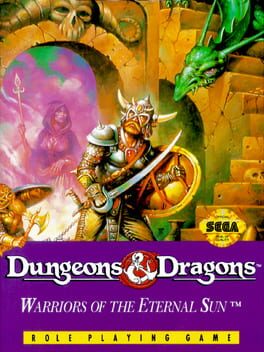
Dungeon & Dragons: Warriors of the Eternal Sun is set in the world of Mystara, a setting of the Dungeons & Dragons game. The characters find themselves in a strange, red-hued world in which the horizon slopes upward in all directions, eventually vanishing into a crimson haze at the limits of sight. Their mission is to find and make allies in this new world or else the kingdom and its culture will perish. The player leads a party of four characters (either the default party or one that the player has created). Characters and races can be chosen from the normal D&D options. The gameworld is viewed from an isometric perspective and the characters can roam around in realtime. Battles are turn based. Like most role-playing games, the gaming experience focuses on exploration, inventory management and character development.