PC-8800 Series / MSX / DOS
Developed by Kogado Studio for Kyodai Software Marketing.
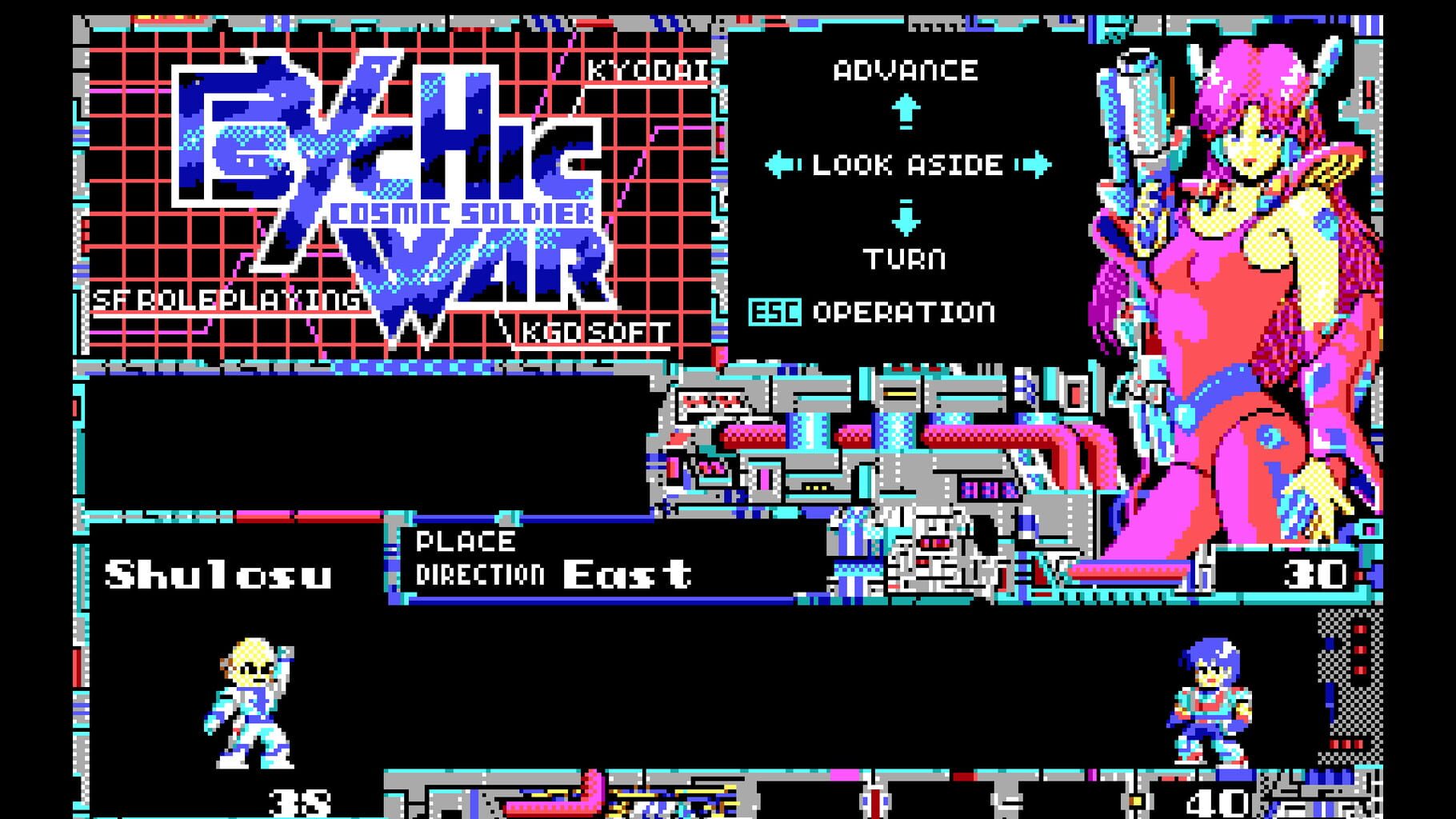
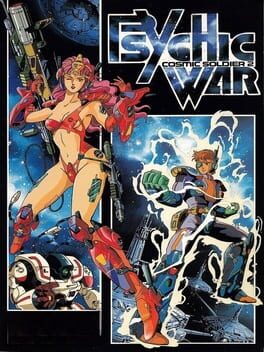
Action RPG sequel to Cosmic Soldier, released for Japanese computers in 1987 and for North American PC in 1989.

Role-playing (RPG) / Adventure / Science fiction
In the game, you must locate 3 data cards and 4 "filters" that allow access to a secret file in the enemy data bank. Data cards and filters are located in different stars of the Quila system, which can be reached immediately via an air shuttle; all the information you need in order to locate the items can be obtained by talking to enemies. Once the items are in your possession, you must locate the data bank and get the file.

Role-playing (RPG) / Science fiction / Horror
Digital Devil Story: Megami Tensei II is the sequel to Digital Devil Story: Megami Tensei. It was published by Namco in 1990 for the Family Computer and is the second video game in the Megami Tensei series. This is the first game in the series to not be based on the original novels by Aya Nishitani, but it retains much of the gameplay aspects of its predecessor. The music in the game is enhanced by an eight-channel Namco 163 WSG sound chip on the cartridge.

Role-playing (RPG) / Action / Fantasy
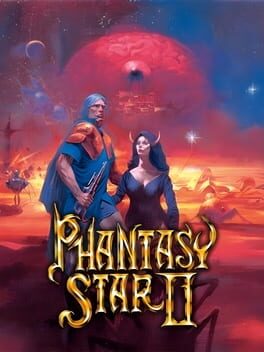
Gameplay is similar to the original Phantasy Star, the first game in the series. Its battle system is turn-based, allowing the player to choose commands for their party of up to four characters. Each of the eight characters has a different set of preferred weapons and armor, as well as techniques, suited to the character's job. The player must defeat enemies in the overworld and in dungeons to advance in the game. The game abandoned the first-person view that the first game used for dungeons and battles. Phantasy Star II instead uses a top-down perspective for exploration and a third-person view in battles.

Role-playing (RPG) / Adventure / Action / Science fiction
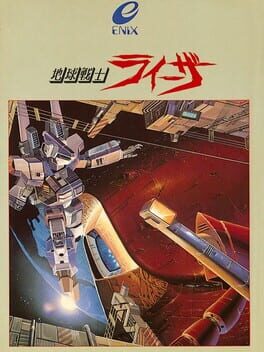
The Earth Fighter Rayieza is a role-playing game.

Shooter / Role-playing (RPG) / Simulator / Action / Science fiction
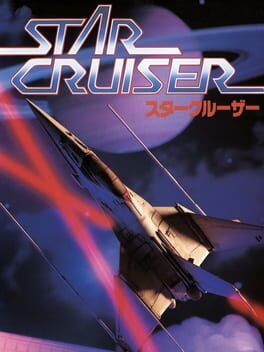
An early first-person role-playing shooter released by Arysis Software for the PC-88 and PC-98 in 1988, and later ported to the Sharp X68000 and Mega Drive/Genesis. Ahead of its time, it had 3D polygon graphics, FPS gameplay, strafing controls, open-world space exploration, and an epic sci-fi space opera plot.

Role-playing (RPG) / Adventure / Action / Science fiction
Soul Hackers delivers a first-person, dungeon-crawling RPG experience set in a future where technology and otherworldly forces meet in a macabre fusion of cyberpunk futurism and gothic horror. A first-person sci-fi RPG epic, Soul Hackers tells of a city held up as a beacon of humanity's triumph of technology, but with an infernal secret. In this would-be utopia, a group of hackers takes on a centuries-old mystic society, and a battle for control over humanity's fate is about to begin.

Shooter / Platform / Adventure / Action / Science fiction
The player takes on the role of Golgo 13 (also known as Duke Togo), an assassin whose objective is to destroy the leader of the Drek group. On the way, Golgo 13 must pass through several areas, including East Berlin, Athens, and Alexander Island, which is located off the coast of Antarctica. It is necessary to navigate several mazes in order to win, but one maze is a fake base with no way out. The mazes account for a large amount of the frustration players encounter with this game. The instruction manual contains maps for the mazes.

Shooter / Role-playing (RPG) / Action / Science fiction
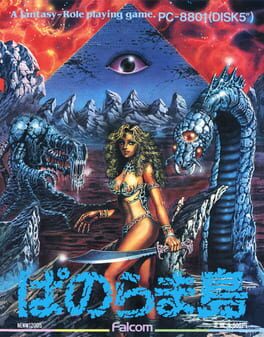
Panorama Toh (ぱのらま島 "Panorama Island"), released by Nihon Falcom for the NEC PC-8801 computer in 1983, departed from the standard RPG formula in various ways. It combined RPG gameplay with real-time combat, combined fantasy with sci-fi elements, and introduced survival mechanics. The game was designed by Yoshio Kiya, this was possibly the first action RPG. These innovative ideas about RPG design departed significantly from the turn-based norm at the time. It introduced real-time combat, sci-fi elements, a persistent open world with day-night cycle, and survival mechanics. This was a precursor to Falcom's seminal action RPG franchise, Dragon Slayer. In 1984, he would go on to create Nihon Falcom's Dragon Slayer franchise, which laid the foundations for the real-time, action RPG genre.