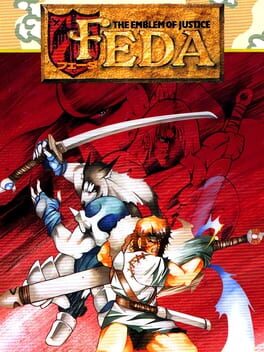

In a fantasy world, a soldier from the imperial forces deserts after witnessing the massacre of innocent villagers by his unit. He is sent to jail to be executed, but manages to escape with the help of two former unit colleagues. The group flees through the country-side, while being pursued by imperial soldiers. On their way, they join forces with other rebels to fight against the enemy, while uncovering hidden secrets and evil plots by the Empire. Feda: Emblem of Justice is a strategy RPG similar to Shining Force and other titles with preset characters and linear gameplay. The player commands a party of varying size and characters with diverse skills. In the main battle sections, the player and the CPU-controlled enemy take turns moving the troops and giving orders. A menu at the bottom of the screen shows all the possible actions, where soldiers can defend, move, attack, or use an inventory item on each turn. The range of their movements and weapons vary according to their nature. A crossbow character can shoot from the back, while most sword and knife users have to be adjacent to their targets. Magic offensive powers have different ranges as well, reaching enemies that are far away from the attacking character. Health points can be recovered by eating rations or by magic, where a healer can restore points to several characters at once. Each party member has separate health and magic points, as well as other statistics like defense and attack power. They receive experience points after slaying an enemy or casting a spell, and extra points at the end of the battle. Their skills increase after surpassing 100 points. The map screen shows the party and groups of enemies traveling through the landscape in turns. The menu has options for moving the group or camping. In the encampment, one of the characters around the fire pit saves the game, while another inside the tent provides system options to change the interface color, adjust sound volume and rename the party members. In some locations like temples, villages and towns, the party has to explore the place and talk to the citizens to move on to the next section. In later battles, the player has to make a moral choice about attacking mutated humans. At the end of each battle, the party is assigned a dark or light emblem, and certain party members choose to leave or stay in the group based on its alignment.
Role-playing (RPG) / Strategy / Turn-based strategy (TBS) / Fantasy
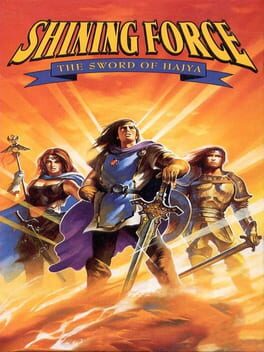
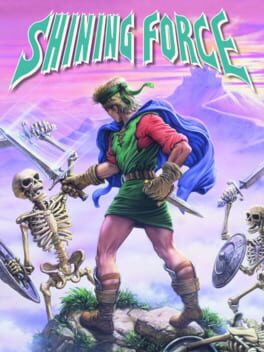
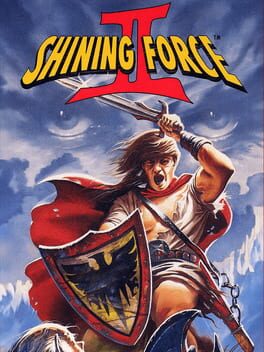
Shining Force is a turn-based tactical RPG. Battles take place in square grids, and each unit occupies 1 square. Units can belong to one of two sides: allies (controlled by the player) or enemies (controlled by the computer AI). Each unit can move up to a fixed amount of squares along the battlefield, determined by its Move statistic. Depending on its location relative to enemies and to allies, a unit also has the option to attack, cast a spell, use an item, search (if adjacent to a treasure chest), or stay and do nothing, all of which end the unit's turn. Some commands, such as equipping or dropping items, don't count as actions, and the character's turn is able to continue. The order of the turns is determined by the unit's agility score and a random seed. Units can use offensive actions, such as physical attacks or offensive magic, only on units belonging to the other side and can use supportive actions, such as healing magic, stat-enhancing magic, and items, only on units belonging to the same side.

Role-playing (RPG) / Strategy / Turn-based strategy (TBS) / Fantasy
As a student of Astral the wizard, you and your friends study all the usual subjects: reading, writing, and sword fighting. As your time at school draws to an end, dark events are taking place on the island of Grans. The two Jewels which seal the Door to Darkness have been stolen, allowing a creature of awesome power to be unleashed. Finding where the Jewels were taken, and why, is a task only the bravest of adventurers can undertake.

Role-playing (RPG) / Adventure / Fantasy
Final Fantasy VI is the sixth main installment in the Final Fantasy series, developed and published by Square. It was the final title in the series to feature two-dimensional graphics, and the first story that did not revolve around crystals. The game gives players up to fourteen playable characters, the largest cast in the series, and features the Active Time Battle pseudo-turn based menu command system. A party can consist of up to four characters, though some events require the player to assemble three different parties of up to four and switch between them. Each character has a unique command ability, such as Terra's Trance, Locke's Steal, Edgar's Tools or Sabin's Blitz, and can also learn Magic spells from earning AP from battles with magicite equipped. Each character's rare Desperation Attack will randomly activate after using the Attack command when at critical health.

The peaceful kingdom of Cypress has suddenly been disrupted by the corrupt ambition of the evil King Iom. Terror rampages across the land. The Castle of Cypress is invaded and the magical Sword of Hajya is taken! It will take strength, courage, agility and your keen sense of strategy to defy this ominous power.

Role-playing (RPG) / Turn-based strategy (TBS) / Tactical / Fantasy / Thriller
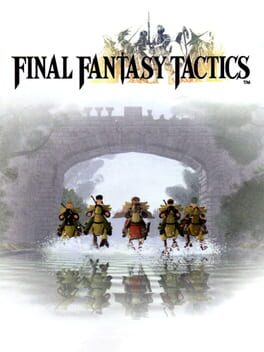
Lead epic battles in a new FINAL FANTASY world. Betrayal and darker dealings await in Squaresoft's game of war. Fight hundreds of battles across dangerous 3D terrain as an ancient blood feud awakens a deadlier foe.

Role-playing (RPG) / Fantasy / Horror
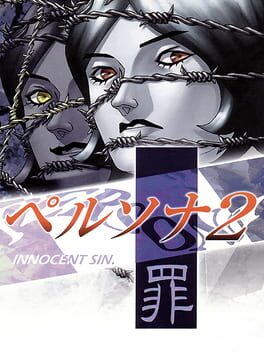
Persona 2: Innocent Sin is a Japanese role-playing video game developed and released by Atlus It is the second entry in the Persona series and acts as a sequel to the original Persona. The original version was not localized for western territories, but the PSP version was released in North America and Europe under the title Shin Megami Tensei: Persona 2: Innocent Sin. Innocent Sin takes place in the fictional Sumaru City, focusing on a group of high school students from Seven Sisters High School. The main protagonist, Tatsuya Suou, and a group of friends must confront a villainous figure called the Joker, who is causing the spread of reality-warping rumors through the city. The group are aided in their quest by their Personas, personified aspects of their personalities. The gameplay features turn-based battle gameplay, where characters use their Personas in battle against demons, and a separate Rumor system, where rumors spread around the city can influence events in the characters' favor.

Role-playing (RPG) / Adventure / Fantasy / Sandbox
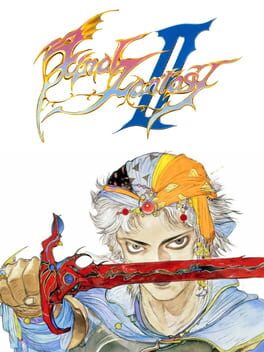
Final Fantasy II is the second installment in the Final Fantasy series, developed and published by Squaresoft. It was directed by Hironobu Sakaguchi, with Yoshitaka Amano designing the characters and Nobuo Uematsu composing the score. It was notable for being one of the first story-intensive RPGs released for console systems, and introducing many series staples, including chocobos and a character named Cid. Its story is unrelated to the original FINAL FANTASY, and its gameplay is a major departure from the previous title for eliminating the traditional experience-based progression system.

Role-playing (RPG) / Simulator / Strategy / Fantasy / Historical
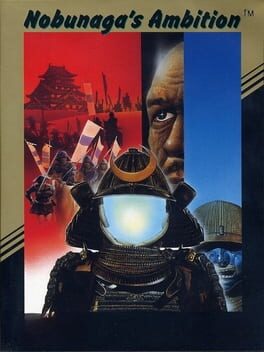
The second game in the series, previously released as Nobunaga's Ambition in the West. Players take on the role of one of the main characters of the period, Nobunaga Oda, Shingen Takeda, Kenshin Uesugi, or others and try to unite the 50 kingdoms of Japan, from Ezo in the north to Kyushu in the south, under their own rule.