Panel de Pon: Event Version was an event released on the Super Famicom's Satellaview service. This Event version is notable as it predates the original Panel de Pon by 10 days because its used as one of the ways for consumers to try the game out.

Panel de Pon: Event Version 2 was an event released on the Super Famicom's Satellaview service. This allows you to play the Endless mode, the Stage Clear mode and an Event 2 mode in which you compete against Sherbet, Seren and Cordelia within a 5 minute time limit.

Super Puyo Puyo 2 Remix is a puzzle action game released by Compile for the Super Famicom. The main differences between this “Remix” version and the original Super Puyo Puyo 2 are the addition of a four-player multiplayer mode with computer-controlled opponents, an Expert course, and a number of other minor changes.

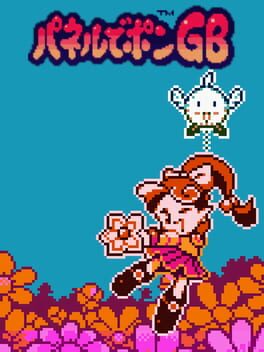
Panel de Pon GB is a canceled game for the Game Boy Color. The game was mostly a port of Panel de Pon (SFC), but with a new story and some elements from the cancelled Panel de Pon 64, which later resurfaced via the Nintendo Puzzle Collection compilation for the Gamecube. The game was eventually cancelled and turned into Pokémon de PanePon. However, most of the game data still remains inside of the Pokémon de PanePon rom.

Puzzle / Arcade / Fantasy / Comedy
Panel de Pon is a game included in Nintendo Puzzle Collection for the Nintendo GameCube, which is the finished version of the cancelled Nintendo 64 video game Panel de Pon 64. The cancelled version ended up being released as Pokémon Puzzle League, albeit it was rebranded and featured characters from the Pokémon anime instead of the traditional fairies from the Panel de Pon franchise. A Nintendo 64 prototype is known to exist, but it is currently publicly unavailable.

Puzzle / Arcade / Fantasy / Comedy
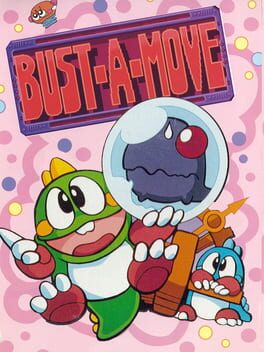
Bust-A-Move (also known as Puzzle Bobble) is a real-time puzzle game in which the player controls a device called "pointer" at the bottom of the screen, aiming and releasing randomly colored bubbles upwards. Depending on the aiming, the bubbles may float up directly or bounce off the walls, changing their trajectory. The goal is to aim the bubbles in such a way that they will touch identically colored ones. When such bubbles form a group of three or more, they pop and disappear from the screen. If the ceiling of the area is covered by too many bubbles, it will gradually descend; the game is over when it nearly reaches the player-controlled pointer. Should the player fail to release the bubbles within a specific time limit, they will be released automatically, unaffected by the pointer's aiming.

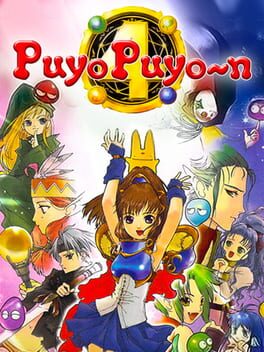
This game was released only in Japan. It is the fourth game in the Puyo Puyo series and the last set during the Madou-era in the main series. Continuing the trend of naming the games after puns, the name comes from a pun on "yon", the Japanese word for the number 4, but this time this is the only reference to the pun. The gameplay in is similar to that of Puyo Puyo 2, but adds super attacks. Clearing chains now builds up a "charge meter" which allows players to use them. The only other addition was a new game mode which could be played with a number of different field sizes, smaller or bigger than the standard 6x12, however, it removes several game modes that were present in Puyo Puyo Sun, i.e. the tournament, task and chain training modes. The art is also vastly different to the previous game in the series and, of course, the Fever series; this style was only otherwise used for Minna de Puyo Puyo.

Puzzle / Arcade / Comedy / Kids
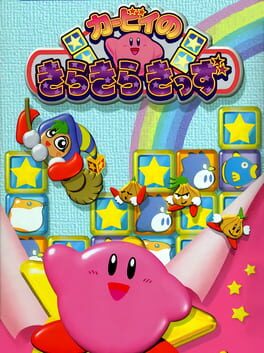
Kirby's Star Stacker is the official English title given to a puzzle Kirby game that was originally released on Japan's Super Famicom system on February 1, 1998. It is a remake of Kirby's Star Stacker, which is known in Japan under exactly the same name as the remake. The game was originally released as a new title for the Nintendo Power flash RAM service, but was released in standard cartridge form a year later. It was intended for international release, but the SNES's lifespan ended in North America and Europe before the game could be localized in either region. The standard cartridge release of the game also came out in the exact year of the SNES's discontinuation in North America, further compounding its isolation. The game was the final title in the Kirby series officially published for Super Famicom. A North American and European release would eventually be seen through the Nintendo Switch Online service in September 2023.

Puzzle / Arcade / Fantasy / Comedy
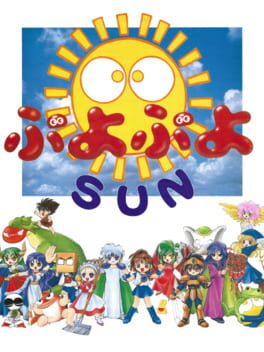
Satan has enlarged the sun in a devious attempt to get a perfect tan. Arle Nadja embarks on a quest to defeat him in this competitive puzzle game. This is the 3rd installment of the Puyo Puyo games series, and the sequel to Puyo Puyo Tsu. After the highly acclaimed success of its predecessor, Compile took a slightly more retro approach, so players had a more original feel to the game over that of Tsu. The name of Puyo Puyo SUN comes from a Japanese pun on san, and also indicates a new Puyo brought into the game. As Sun Puyo were used in this game, and the game itself is not only set on a tropical beach, but is the third in the series (san (三)) is the Japanese word for the number three), the name served multiple purposes. This game was released only in Japan. Following the arcade release, Puyo Puyo Sun was ported to the then-current home consoles. The Saturn version was released merely three months after the arcade release, while the other ports were released in late 1997 and throughout 1998. The Saturn, PlayStation, and Windows 95 versions feature fully voiced cutscenes unlike the original ST-V version.