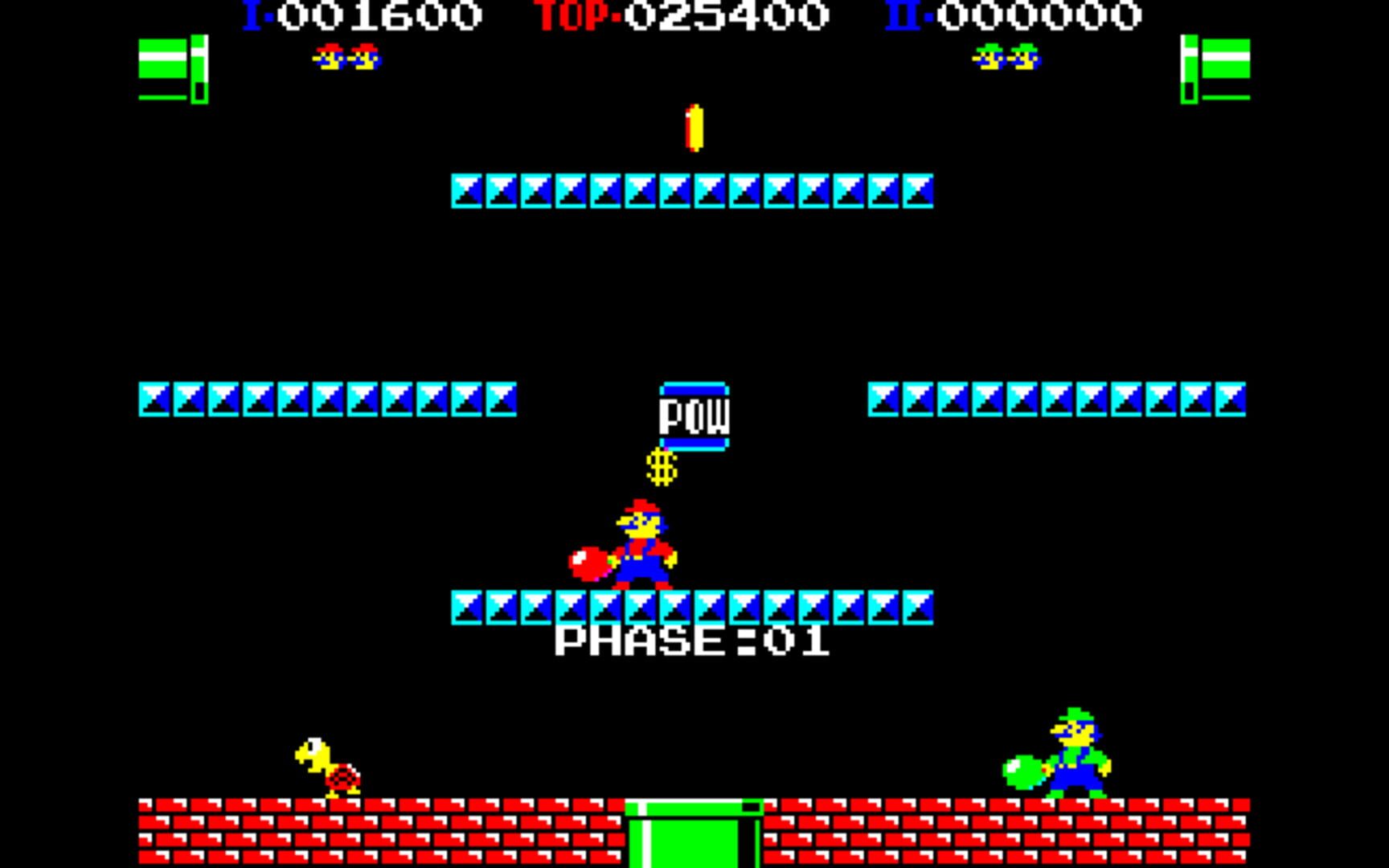
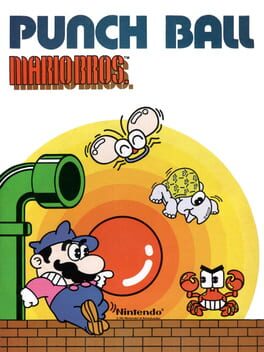

Punch Ball Mario Bros. is very similar to Mario Bros., but with new objects called Punch Balls that could now be thrown to stun enemies. Once stunned, the hit enemy could be hit like normal. The details of the licensing of this game are not clear, but Punch Ball Mario Bros. is probably one of the earliest licensed Mario games. It is unknown why Hudson Soft was permitted the rights to and chose to make the game.
While humanity has evolved throughout the ages, mastering fire and developing advanced technology, some people such as Mario and Luigi are primitive people who do not know of modern society and must use "stone balls" and their jumping abilities to defend themselves from outsiders.

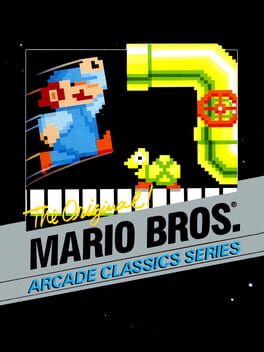
The first port of Mario Bros. was developed by Nintendo for the Famicom and later released in American under the Arcade Classics series. It follows most of the features of the arcade game, and adds a difficulty setting. This version would be the most re-released version in future consoles.

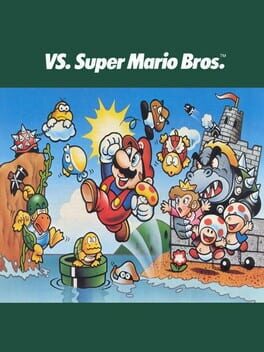
Vs. Super Mario Bros. is a two-player VS. System version of Super Mario Bros. This game has higher gameplay difficulty than the original Super Mario Bros., with fewer warp zones and power-ups, and more enemies. Six new levels were created for the game, all of which were reused in Super Mario Bros.: The Lost Levels.

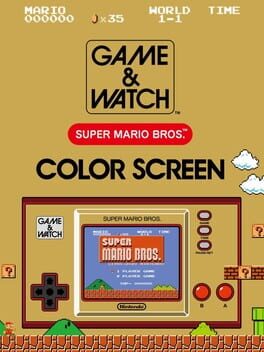
Game & Watch: Super Mario Bros. is a special Game & Watch released for the Super Mario Bros. 35th anniversary. It includes Super Mario Bros., Super Mario Bros.: The Lost Levels, a special version of the Game & Watch game Ball and a clock based on Super Mario Bros. It was the first Game & Watch game released after Mario the Juggler (released in 1991) and the first game in the new line of Game & Watch handhelds called Color Screen.

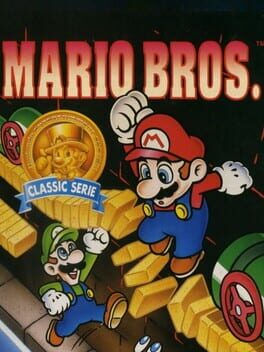
Mario Bros. Classic Serie is an European exclusive version of Mario Bros., released in 1993. It is very faithful to the arcade original, but is built upon the changes made in Kaettekita Mario Bros., removing the extra mode it had.

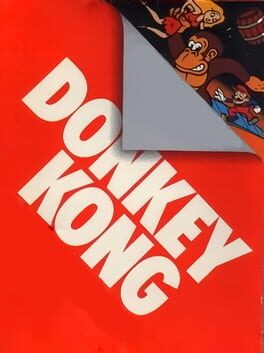
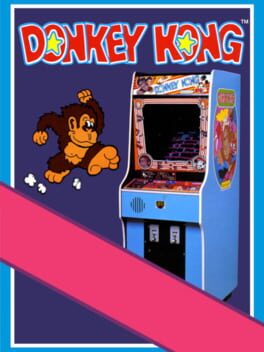
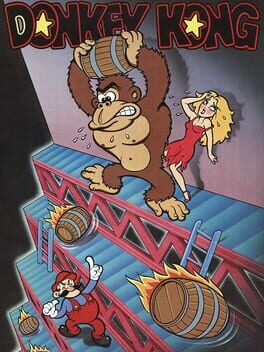
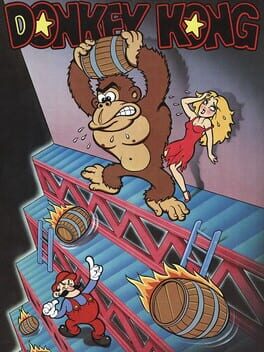
The Donkey Kong port for Intellivision was developed by Coleco, and lacks 50m and 75m. It is also very visually different from the original arcade game.

The Amstrad CPC port of Donkey Kong was developed by Ocean Software.