
The first game in the popular puzzle series, released one year before the "Action Puzzle Game" arcade title that would turn it into a household name.
The main game of Puyo Puyo is played against at least one opponent, computer or human. The game itself has three modes, Single Puyo Puyo, Double Puyo Puyo, and Endless Puyo Puyo. In Single mode, the player takes on the role of Arle Nadja, a 16-year-old female spellcaster that has the pleasure of foiling the Dark Prince's plans. The Dark Prince wishes to take over the world, and Arle stands in his way. As such, Arle must first however battle her way through 12 opponents before facing the Dark Prince. With the exception of Rulue, they are not sent by the Dark Prince, and mostly they just want to pull shenanigans with her (for Rulue, she fell in love with the Dark Prince). Once Arle has beaten the Dark Prince, the world is saved, so she can return home. As in all main Puyo games, the story mode consists of playing Puyo matches against a fixed sequence of characters in one of three courses. In Double mode, two players play against each other. In exactly the same fashion as before, by out-chaining one another, the player tries to fill up their opponent's grid. Since the rules of sending so many garbage blocks made games short-lived, no matter how many chains are sent, Compile added the rule of Offsetting in Puyo Puyo 2 and onwards. This lets players counter opponents' attacks with chains of their own, sending any garbage blocks back to them as a result of overflow. In endless mode, the player must continually match puyos to get the highest score they can. In Mission mode, the player must complete 52 missions requiring the Puyos on the field to be eliminated by using limited pieces.
Puyo Puyo! 15th Anniversary was created by Sonic Team to commemorate the 15th anniversary of Puyo Puyo. As such, it revives both the gameplay rules of the arcade Puyo Puyo and Puyo Puyo Tsu, as well as six characters from the Madou Monogatari era of the series. It was released for Nintendo DS in 2006, and in 2007 for PlayStation 2, PlayStation Portable, and Wii This game was followed by Puyo Puyo 7.

It is the 2nd anniversary game in the series and as such shares more similarities to "Puyo Puyo! 15th Anniversary" than "Puyo Puyo 7". This game came out 4 months before "Sonic Generations", which is also commemorating the 20th anniversary of the Sonic games. There are 24 playable characters available, each with their own 8-stage course (similar to Puyo Puyo! 15th Anniversary). This game, as it's predecessor, was released only in Japan.

Puzzle / Role-playing (RPG) / Adventure / Action / Fantasy
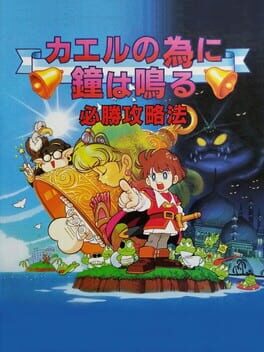
In a land far away, the two princes—Richard (of the Custard Kingdom) and the game's main protagonist (prince of the Sablé Kingdom)—have shared a friendly rivalry since they were small children. They often compete, although it usually ends in a tie or close win. In Fencing however, Prince Richard is always the victor. One day a messenger arrives from a small neighboring kingdom, warning the princes that the evil King Delarin has invaded the Mille-Feuille Kingdom and captured the beautiful princess Tiramisu. In yet another boastful attempt to best the Sablé Prince, Richard grabs a boat and rushes towards the kingdom. The Sablé Prince is left trying to catch up. While on his journey, he and Richard (and many others) are transformed into frogs in an attempt to reveal the true happenings in this kingdom. The game and its characters were mentioned many times in the Super Smash Bros. series as trophies, stickers, spirits and as the Assist Trophy of the Sablé Prince. In these series, the game was officially romanized as "Kaeru no Tame ni Kane wa Naru".

Puzzle / Arcade / Fantasy / Comedy
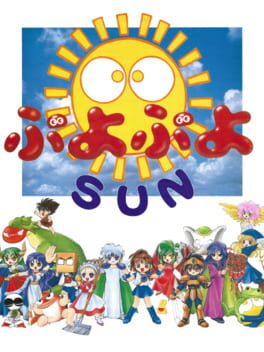
Satan has enlarged the sun in a devious attempt to get a perfect tan. Arle Nadja embarks on a quest to defeat him in this competitive puzzle game. This is the 3rd installment of the Puyo Puyo games series, and the sequel to Puyo Puyo Tsu. After the highly acclaimed success of its predecessor, Compile took a slightly more retro approach, so players had a more original feel to the game over that of Tsu. The name of Puyo Puyo SUN comes from a Japanese pun on san, and also indicates a new Puyo brought into the game. As Sun Puyo were used in this game, and the game itself is not only set on a tropical beach, but is the third in the series (san (三)) is the Japanese word for the number three), the name served multiple purposes. This game was released only in Japan. Following the arcade release, Puyo Puyo Sun was ported to the then-current home consoles. The Saturn version was released merely three months after the arcade release, while the other ports were released in late 1997 and throughout 1998. The Saturn, PlayStation, and Windows 95 versions feature fully voiced cutscenes unlike the original ST-V version.

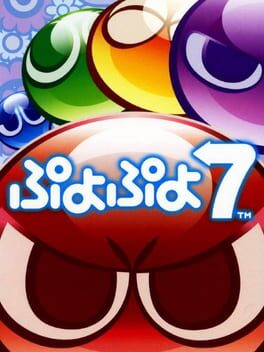
This is the 7th game in the main Puyo Puyo series, which is denoted by the 7. A break from the previous Fever series games, the game is set in a world similar to the real world instead of Primp Town. In this game, a new game mode known as Transformation was added as the default mode. Five new characters were introduced, and a few characters from past games in the series were reintroduced, either as playable characters or cameos.

Platform / Puzzle / Role-playing (RPG) / Action / Fantasy
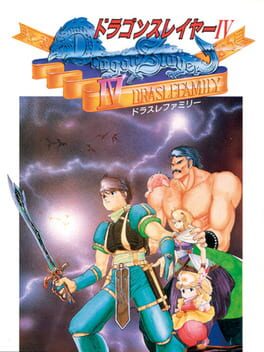
Play as five members of a family that set out to kill a dragon hidden within a giant maze.

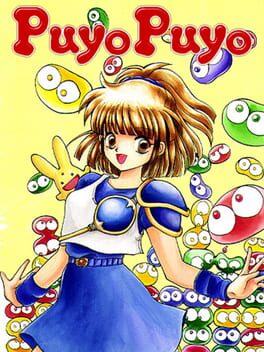
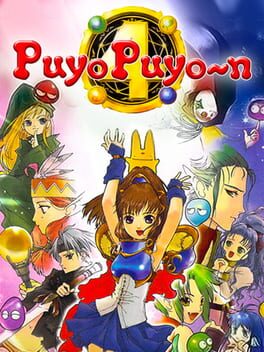
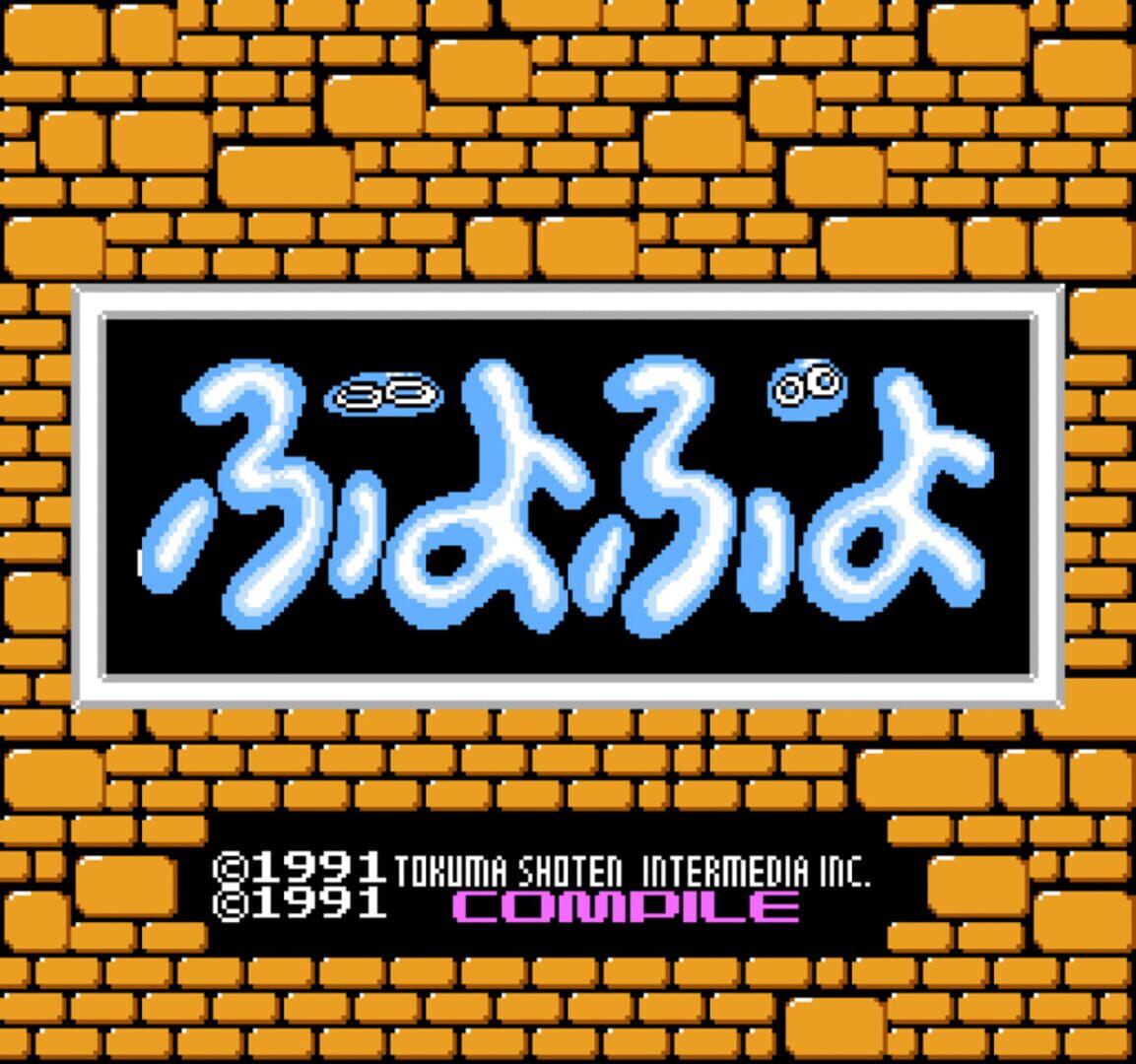
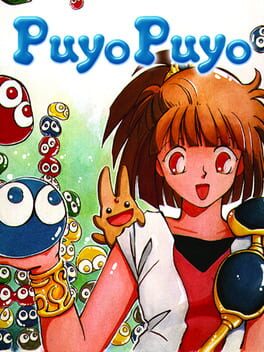
Puyo Puyo (1992) is an enhanced version of the 1991 MSX2 and Famicom Disk System game of the same name. The game was developed for the Sega System C-2 arcade hardware and ported to a variety of consoles. Puyo Puyo is a puzzle game in which the player matches four or more "Puyo" of the same color together. This game is the precursor to an identically-titled arcade release. Puyo Puyo contains three modes: Endless, Mission, and Verses. In Endless Mode, players match Puyo until the top of their well is filled. If the player chooses, either a giant 2x2 green Puyo or Carbucle will periodically help the player clear space on their board. Mission mode gives the player several challenges to complete, such as clearing a set amount of Puyo or clearing all Puyo of a certain color. Verses mode allows players to battle each other.

This game was released only in Japan. It is the fourth game in the Puyo Puyo series and the last set during the Madou-era in the main series. Continuing the trend of naming the games after puns, the name comes from a pun on "yon", the Japanese word for the number 4, but this time this is the only reference to the pun. The gameplay in is similar to that of Puyo Puyo 2, but adds super attacks. Clearing chains now builds up a "charge meter" which allows players to use them. The only other addition was a new game mode which could be played with a number of different field sizes, smaller or bigger than the standard 6x12, however, it removes several game modes that were present in Puyo Puyo Sun, i.e. the tournament, task and chain training modes. The art is also vastly different to the previous game in the series and, of course, the Fever series; this style was only otherwise used for Minna de Puyo Puyo.