
PC-8800 Series / DOS / MSX2
Developed by Koei for Koei Tecmo.
Strategy / Turn-based strategy (TBS) / Tactical / Historical / Warfare
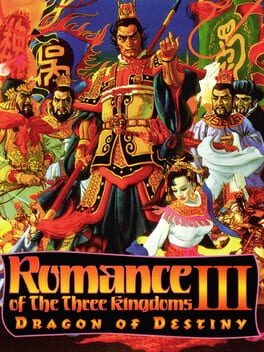
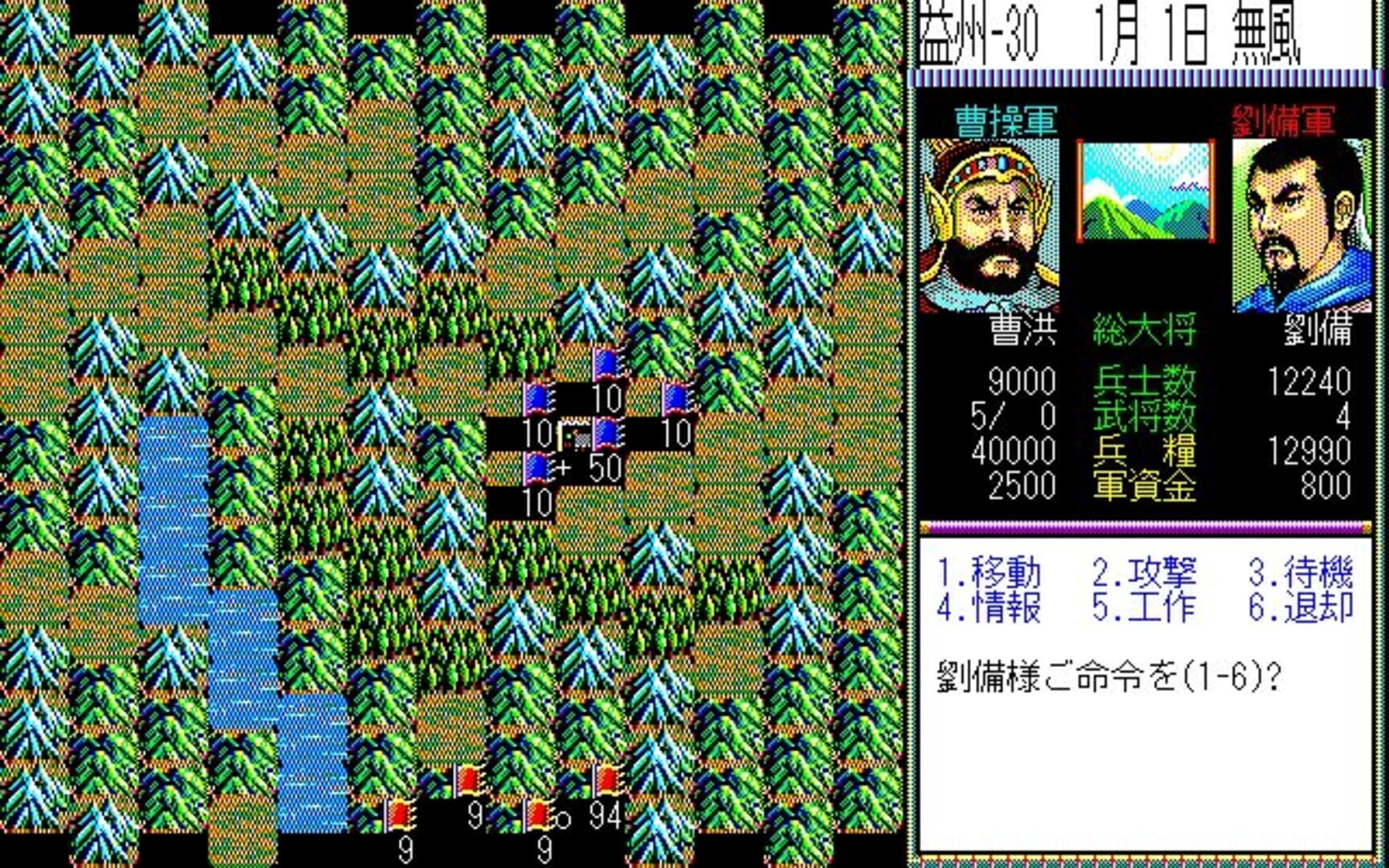
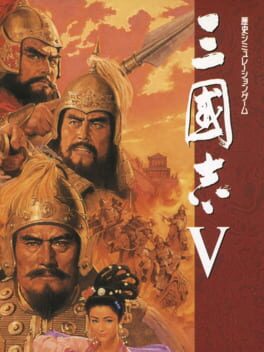
The player takes control of a master, a general capable of commanding as many states as he can acquire, and, if successful, unifies China. As many as eight may play, but only one can succeed. There are five chronologically arranged scenarios. The first has China in its most disorganized period and the last has virtually all of China controlled by one of three generals. The precise requirements for success in each of these scenarios differs, but in all cases the goal is to rule as many states as possible. After the completion of any scenario but number five the game will automatically advance to the next. You may start the game at any scenario.
Simulator / Strategy / Turn-based strategy (TBS) / Historical / Warfare
Romance of the Three Kingdoms VI: (Sangokushi VI in Japan) is the sixth game in Koei's Romance of the Three Kingdoms series. Romance of the Three Kingdoms VI follows in the tradition of its predecessors with an emphasis of world domination and management of an established empire. Continuing in a seasoned ancient Chinese setting, characters and units are taken from other Romance of the Three Kingdoms titles and placed in the palm of your hand. Your overall objective is to destroy rival lands and create a continent wide empire.

Strategy / Turn-based strategy (TBS) / Tactical / Historical / Warfare
Released in 1996 on Sega Saturn, by Koei.

Role-playing (RPG) / Simulator / Strategy / Fantasy / Historical
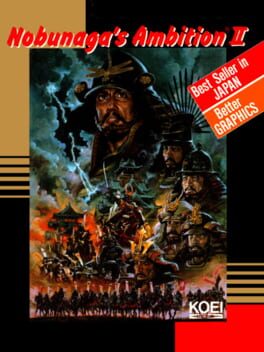
The second game in the series, previously released as Nobunaga's Ambition in the West. Players take on the role of one of the main characters of the period, Nobunaga Oda, Shingen Takeda, Kenshin Uesugi, or others and try to unite the 50 kingdoms of Japan, from Ezo in the north to Kyushu in the south, under their own rule.

Simulator / Strategy / Turn-based strategy (TBS) / Fantasy / Historical
The player takes control of a master, a general capable of commanding as many states as he can acquire, and, if successful, unifies China. As many as eight may play, but only one can succeed. There are five chronologically arranged scenarios. The first has China in its most disorganized period and the last has virtually all of China controlled by one of three generals. The precise requirements for success in each of these scenarios differs, but in all cases the goal is to rule as many states as possible. After the completion of any scenario but number five the game will automatically advance to the next. You may start the game at any scenario. The third edition of this game with more game improvements.
Simulator / Strategy / Turn-based strategy (TBS) / Fantasy / Historical
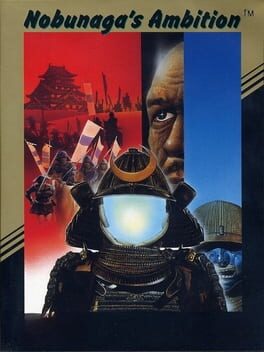
Nobunaga's Ambition II is the sequel to Nobunaga's Ambition. The setting is 16th century feudal Japan, a period when ruthless daimyo (feudal lords) contended with each other for dominance. Ultimately, the winner in this struggle will become Shogun and hold actual power over the islands, while being nominally subject to the Emperor. The game casts the player as one of the daimyo, allowing them freedom to decide the fate and future of feudal Japan, through diplomacy and ultimately war. The objective is to unify Japan under the player's rule. If the player fails through death on the battlefield, assassination at the hands of a ninja, or through natural causes, they can choose a successor and play on. Functionally, the first job is to let prosper the fief (province) under the player's control through agricultural development and town investment.

Role-playing (RPG) / Strategy / Turn-based strategy (TBS) / Fantasy / Historical
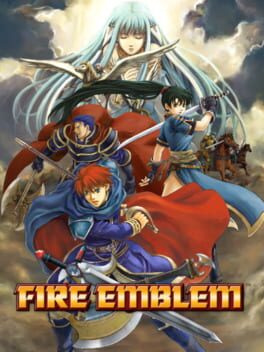
It is the seventh game of the Fire Emblem series, the second game in the series to be released for the Game Boy Advance, and the first to be released in both North America and Europe. It features a prologue storyline designed to introduce newcomers to Fire Emblem gameplay and tactical basics. The overall narrative is a prequel to the events of the previous game, Fire Emblem: The Binding Blade, which is set twenty years later. The game was first released under the localized title "Fire Emblem" in the West, but it was later rebranded as "Fire Emblem: The Blazing Blade" when Fire Emblem Heroes was released.

Role-playing (RPG) / Strategy / Turn-based strategy (TBS) / Fantasy / Warfare
"Highlights and Key Features: - Over 40 hours of gameplay and multiple endings! - Discover powerful character classes with the new Emblem System! - Cast a wide assortment of magic spells to defeat the enemy! - Go head-to-head against a friend by using the Game Boy® Advance Game Link® cable! - All new Quest Mode enables you to discover hidden items and weapons not available in the main game. - Utilize the Exchange Mode to trade items, spell books and characters with a friend. - Save up to 3 games!"

Role-playing (RPG) / Strategy / Turn-based strategy (TBS) / Fantasy / Warfare
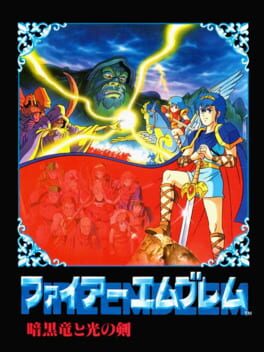
Fire Emblem: The Dark Dragon and Sword of Light is the first game in the Fire Emblem series, developed by Intelligent Systems and published by Nintendo. It was first released on the Famicom (known internationally as the Nintendo Entertainment System) on April 20, 1990. It takes place on the continent of Archanea. It stars Marth, a character who later appeared in Super Smash Bros. Melee. The first time the game was released outside of Japan was in the form of a limited edition port for Nintendo Switch, under the same name, that runs a localization script in the background, but the original version of the game was never released outside of Japan.