
Featured in
Shooter / Platform / Action / Science fiction
Mobile Suit Z Gundam: Hot Scramble is a multi-genre video game that is based on the anime Mobile Suit Z Gundam, and is one of the first Gundam video games. Aside from the much later Famicom Mini release, there were two versions of the game: the original release; and a special release of the central location test version, sometimes dubbed Final Version. Only 1000 copies of this second version were ever released, making it among the rarest video game in history.
Shooter / Role-playing (RPG) / Simulator / Action / Science fiction
Kidou Senshi Gundam Part 2: Tobe! Gundam (機動戦士ガンダム PART 2 翔べ!ガンダム "Mobile Suit Gundam Part 2: Fly! Gundam") is an adventure/shooter/RPG from 1984, based on the Mobile Suit Gundam anime series. It anticipated several gameplay elements later found in FPS, TPS and action RPG games.
Fighting / Hack and slash/Beat 'em up / Action
Join Goku in his very first epic adventure as he defends the earth from the relentless Red Ribbon Army. Start down his path to power, and help turn an ordinary boy into the ultimate champion.
Shooter / Role-playing (RPG) / Adventure / Action / Science fiction
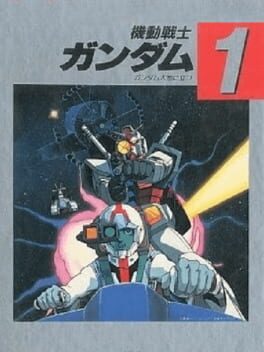
Kidou Senshi Gundam Part 1: Gundam Daishi ni Tatsu!! (機動戦士ガンダム PART 1 ガンダム大地に立つ!! "Mobile Suit Gundam Part 1: Gundam Stands on the Ground!!") is an adventure/shooter/RPG from 1983, based on the popular Mobile Suit Gundam anime television series.

Girls will embrace the magic within and discover their inner fairy in Winx Club: Magical Fairy Party, through the enchanting story and exciting mini-games filled with fairies, fashion, friendship (and pets) that fans love. Fans can star in the game as their own fairy, interact with their favorite show characters and enroll in the enchanting Alfea School. They will form new friendships, perform spells and plan unforgettable events that include a wondrous ball!
Role-playing (RPG) / Action / Fantasy
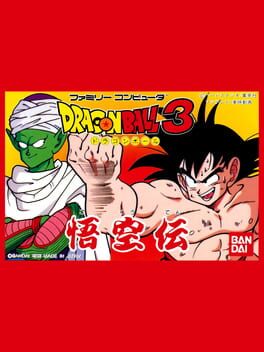
Dragon Ball 3: Goku-den is a role playing video game released only in Japan by Bandai. It is the third Dragon Ball video game for Famicom (its predecessors being Dragon Ball: Shenron no Nazo and Dragon Ball: Daimaou Fukkatsu). Its sequel is Dragon Ball Z: Kyoushuu! Saiyan. You control Son Goku and his friends Krillin and Yamcha in this game. The gameplay is mostly based on training your characters and then taking them to fight enemies, advancing the plot. All the activities in the game (including walking around on the world map) are performed through choosing one of the available cards. Depending on the value of the card, you can move a certain amount of squares on the map, have an advantage in a battle, etc.
Role-playing (RPG) / Strategy / Turn-based strategy (TBS) / Action / Fantasy
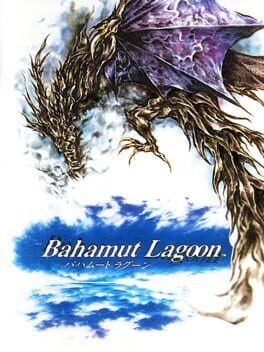
Bahamut Lagoon combines RPG mechanics with squad-based combat. Characters have HP, MP (SP for fighter characters), EXP, equipment, stats and class-specific, SP-draining special elemental abilities very much like traditional console RPGs. The player can explore his surroundings, talk to people and visit shops when not in battle, though to a limited degree as there is no world map and no way to leave the current area. The game's core is its turn-based battles fought on a 2d grid. Characters are assembled into parties of four and the player allowed a maximum of six parties, which are usually well outnumbered. The two opposing sides act in alternating turns so that each party can move once and/or attack once a turn. Attacks are divided into distant and close-up combat. In the former, a party uses a special ability (e.g. casting fireballs, throwing lightning, healing allies) of one of its members at a distance. The range and possible area of effect damage vary per ability. If the attacking party has two or more characters with the same ability, they join in the action to multiply its effectiveness. Distant combat results in less money and generally less damage, but the target cannot retaliate. Distant attacks can also affect the field; fire and ice ignite or extinguish forests and melt or freeze ice, etc. Close-up, each unit in two adjacent opposing parties can act once. Very much like Final Fantasy SNES combat, they can attack an enemy, use an item or a special ability (though these can't be combined and most only affect one target instead of all) or defend. Dragons are the player's ace in the hole. They have their own stats and gain experience like normal characters do. In battle, each party has a dragon attached to it and draws a large portion of its strength from that of its dragon: if a party's dragon is slain, the party will lose the ability to use special attacks and class-specific abilities for the remainder of the map. The beast acts as a very powerful autonomous unit that moves after its party does and it cannot be controlled beyond very simple commands, e.g. "Come!" Out of battle, dragons will eat anything and raising them by feeding them items is an important part of the game. Feeding can improve their stats as well as affect their behavior on the field, and the dragons develop into new forms as they grow. The player can change the characters in each of the parties, their formation as well as what dragon represents them at will.
Shooter / Platform / Hack and slash/Beat 'em up / Action / Science fiction
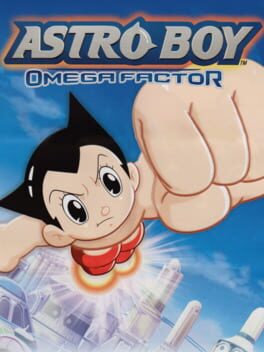
Join Astro, the robotic superhero with a human mind, in a quest to reunite the robotic race with humans. Astro uses his seven super abilities to face off against the likes of Atlas, Blue Knight, and more than 40 other characters. The game brings classic 2D gaming to the Game Boy Advance along with an original seven-episode story. Playing as Astro Boy, you'll learn about justice, compassion, evil, courage, and the history of Astro Boy--all while building Astro's Omega Factor and strengthening his character and superhuman abilities.